
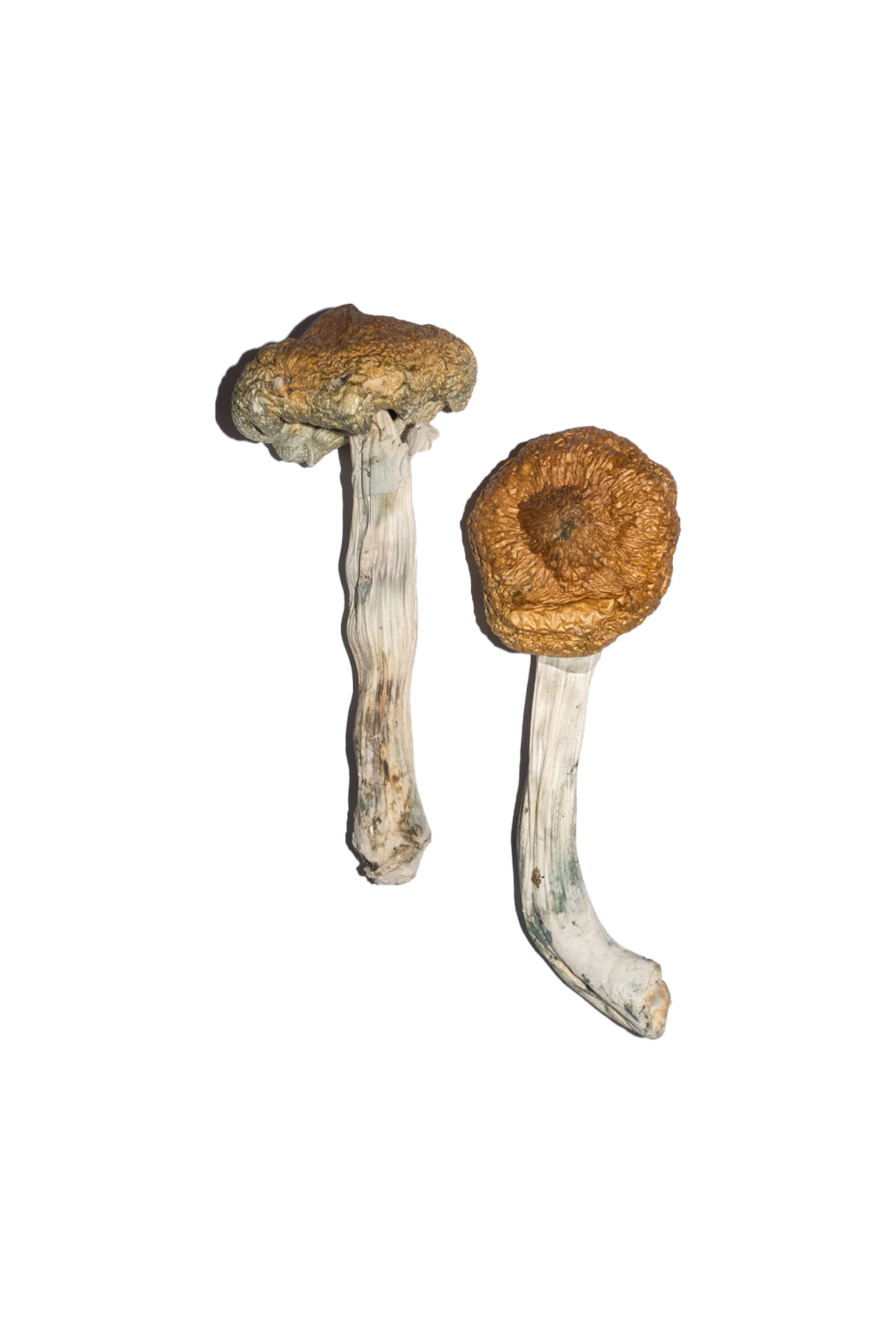
Vietnamese Magic Mushrooms: An Informational Guide to Psilocybin Mushrooms
Vietnamese magic mushrooms is a broad term that may be used online to describe mushrooms associated with Vietnam that contain the naturally occurring psychedelic compounds psilocybin and psilocin. The terminology can be misleading, however, because “Vietnamese magic mushrooms” is not, by itself, a standardized scientific species name. Different mushroom species can look similar, while their chemical composition and potency may vary substantially. Health authorities also warn that poisonous mushrooms can be mistaken for psilocybin-containing species.
Psilocybin is converted by the body into psilocin, the compound primarily responsible for the psychedelic effects associated with magic mushrooms. Depending on the circumstances, these effects can include changes in perception, mood, thoughts, sensory experiences, and the perceived passage of time. Experiences can also be unpredictable, with some people experiencing anxiety, confusion, panic, paranoia, or other distressing psychological reactions.
For anyone researching Vietnamese magic mushrooms, it is therefore important to separate botanical identification, chemistry, cultural claims, health information, and legal status. The name alone cannot establish the identity, potency, safety, or legality of a particular mushroom.
What Are Vietnamese Magic Mushrooms?
“Magic mushrooms” generally refers to fungi containing psilocybin and/or psilocin. The National Center for Complementary and Integrative Health notes that psilocybin occurs naturally in numerous fungal species, with more than 200 species identified as psilocybin-containing mushrooms.
The word “Vietnamese” can refer to geographical origin, an informal market name, or an online description rather than a formally recognized taxonomic classification. That distinction matters because mushroom identification requires considerably more information than a geographic label.
Two mushrooms that appear visually similar may belong to different species and may have completely different chemical properties. Some poisonous mushrooms can also resemble psychoactive mushrooms, creating a potentially serious poisoning risk.
For that reason, an online name such as “Vietnamese magic mushrooms” should not be treated as proof that a particular specimen contains psilocybin or is safe for human consumption.
Psilocybin and Psilocin Explained
Psilocybin and psilocin are the principal compounds responsible for the psychedelic properties associated with many magic mushrooms.
When psilocybin enters the body, it is metabolized into psilocin. Psilocin interacts with serotonin-related systems in the brain and can alter perception, cognition, emotions, and sensory processing.
Reported psychedelic experiences vary considerably. Some people describe intensified colors, unusual visual phenomena, altered concepts of time, vivid memories, emotional changes, or a feeling that ordinary boundaries of self have changed. Other experiences can be uncomfortable or frightening.
The outcome depends on numerous factors, including the mushroom involved, its chemical composition, the person’s psychological state, expectations, environment, health, previous experience, and whether other substances are involved.
This variability is one reason that descriptions based solely on a mushroom’s name should be treated cautiously.
Appearance and Identification
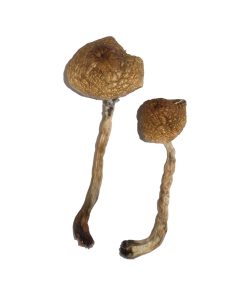
A major challenge with mushrooms is that appearance alone is not always enough to establish identity.
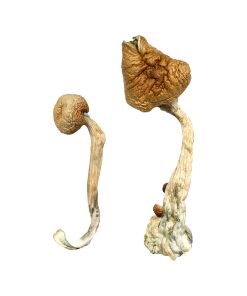
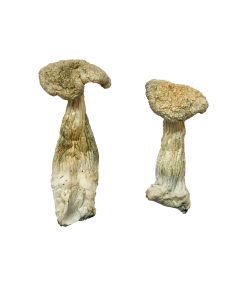
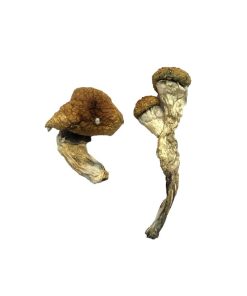
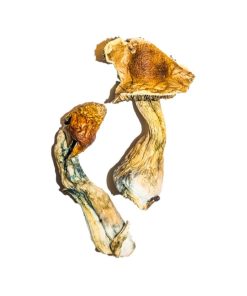
Cap shape, color, stem characteristics, bruising, spore characteristics, habitat, and microscopic features can all be relevant to scientific identification. Even experienced mushroom enthusiasts can face difficulties distinguishing closely related species.
This becomes particularly important with wild mushrooms because poisonous species may resemble edible or psychoactive varieties. Health Canada specifically warns that many magic mushroom species look alike and that mistaken identification can result in consumption of poisonous mushrooms.
Consequently, a photograph, marketplace name, or informal regional label should not be regarded as laboratory confirmation of species or chemical content.
Why Species Identification Matters
Different psilocybin-containing species can have different concentrations of active compounds. Even specimens belonging to the same species can vary.
Factors such as genetics, growing conditions, maturity, storage, and environmental conditions can affect chemical composition. Therefore, claims that a particular regional name guarantees a predictable psychedelic strength should be viewed skeptically unless supported by reliable analytical testing.
Effects Associated With Psilocybin Mushrooms
Psilocybin mushrooms are classified as psychedelic substances because they can substantially change perception and cognition.
Potential psychological effects may include:
- Altered visual perception
- Changes in the perception of time
- Intensified emotions
- Unusual thought patterns
- Vivid memories
- Changes in one’s sense of self
- Hallucinations
- Anxiety or fear
- Confusion or paranoia
Physical effects can include nausea, dizziness, headache, fatigue, increased heart rate, and increased blood pressure.
The experience is not necessarily predictable or uniformly positive. A person can experience both pleasant and unpleasant psychological effects during the same episode.
A particularly distressing psychedelic experience is sometimes referred to as a “bad trip.” Severe fear, panic, confusion, or impaired judgment can create additional risks, especially in unsafe surroundings.
Potential Health Risks
The health risks associated with psilocybin mushrooms deserve careful consideration.
According to NCCIH, reported adverse effects can include increased blood pressure and heart rate, nausea, dizziness, headache, fatigue, anxiety, paranoia, hallucinations, and, in some circumstances, persistent psychosis.
The possibility of psychological distress is particularly important. A psychedelic experience can intensify a person’s existing emotional state, and someone experiencing significant anxiety or psychological instability may have an especially difficult experience.
NCCIH also states that psilocybin is not considered safe for people with psychotic conditions such as schizophrenia, schizoaffective disorder, or certain severe psychiatric conditions.
Risk of Mushroom Misidentification
One of the most significant risks is confusing a poisonous mushroom with a psilocybin-containing mushroom.
Unlike a manufactured pharmaceutical product with standardized ingredients, an unidentified wild mushroom does not come with a reliable label establishing its chemical composition. Poisonous mushroom ingestion can cause severe illness and can potentially be fatal.
This is why informal names such as “Vietnamese magic mushrooms” should not be used as a substitute for professional fungal identification.
Vietnamese Magic Mushrooms and Scientific Research
Psilocybin has attracted substantial scientific interest in recent years.
Researchers have investigated whether controlled psilocybin-assisted therapy may have potential applications involving depression, anxiety associated with serious illness, addiction, and other mental health conditions. NCCIH describes research into several of these areas, while emphasizing that important questions about safety, effectiveness, treatment protocols, and long-term outcomes remain.
Some clinical research has reported reductions in depressive symptoms following supervised psilocybin treatment combined with psychological support. Other research has investigated alcohol-use disorder and anxiety associated with serious medical illness.
Importantly, research involving carefully screened participants, controlled environments, measured substances, and trained professionals should not automatically be interpreted as evidence that unsupervised use of wild or unidentified mushrooms provides the same results.
Psilocybin Research Is Not the Same as Recreational Use
Modern psychedelic research generally involves strict controls.
Clinical studies may screen participants for medical and psychiatric conditions, carefully characterize the substance being administered, monitor participants during sessions, and provide psychological support.
Those conditions are fundamentally different from consuming an unidentified mushroom obtained outside a controlled research environment.
The distinction is especially important when discussing claims that magic mushrooms are a proven treatment for a particular disease. Research into psilocybin remains an evolving scientific field, and evidence for one clinical setting cannot automatically be generalized to another.
Legal Considerations in Vietnam
Legal status is another important consideration for anyone researching Vietnamese magic mushrooms.
Vietnamese controlled-substance legislation has included psilocybin and psilocin among controlled narcotic substances. Decree 73/2018/ND-CP lists “Psilocine, Psilotsin” and “Psilocybine” among the substances covered by its narcotics schedules.
This means that geographic availability or informal online discussion should not be interpreted as evidence that possession, production, distribution, or other activities involving psilocybin mushrooms are legally permitted.
Laws can also change, and their application can depend on the precise substance, activity, quantity, and circumstances. Anyone dealing with controlled substances should consult current Vietnamese legislation or qualified legal counsel rather than relying on marketplace descriptions or social-media claims.
Storage, Handling, and Contamination Concerns
Unidentified mushrooms can present additional risks when their storage history is unknown.
Fresh biological material can deteriorate, while improperly stored dried material may become contaminated. Visual inspection cannot necessarily establish whether a product is microbiologically safe or chemically consistent.
Another concern is adulteration. NCCIH notes that illicit substances can potentially be contaminated or adulterated with other dangerous substances.
For these reasons, an apparently authentic appearance does not establish purity, potency, or safety.
Why Online Claims Require Caution
Search results and informal product listings frequently use attractive names to suggest a particular experience or level of potency. Such descriptions should not be treated as scientific evidence.
Terms such as “strong,” “premium,” “rare,” “natural,” or regional strain names may have no standardized scientific meaning.
A responsible informational description should therefore avoid promising a particular psychedelic experience or claiming that one geographical label guarantees a specific chemical profile.
Scientific identification and laboratory analysis provide much stronger evidence than informal product terminology.
Frequently Asked Questions About Vietnamese Magic Mushrooms
1. What are Vietnamese magic mushrooms?
Vietnamese magic mushrooms is an informal term that may refer to psilocybin-containing mushrooms associated with Vietnam. It is not, by itself, a standardized scientific species name. Different mushroom species can have substantially different characteristics, and visual identification alone may be unreliable.
2. What compounds make magic mushrooms psychedelic?
The principal compounds are psilocybin and psilocin. After ingestion, psilocybin is converted into psilocin, which produces psychedelic effects through interactions with serotonin-related systems in the brain.
3. Are Vietnamese magic mushrooms safe?
They cannot automatically be considered safe. Risks include psychological distress, nausea, dizziness, increased heart rate and blood pressure, paranoia, hallucinations, and other adverse effects. There is also a potentially serious risk of accidentally consuming a poisonous mushroom because some species can look similar.
4. Is psilocybin legal in Vietnam?
Vietnamese controlled-substance legislation lists psilocybin and psilocin among controlled narcotic substances. Because laws and enforcement can change, current Vietnamese legislation should be consulted for a specific legal question.
5. Are magic mushrooms being studied for medical purposes?
Yes. Researchers are investigating psilocybin-assisted approaches for conditions including depression, anxiety associated with serious illness, and addiction. Some clinical studies have produced promising findings, but this research should not be confused with unsupervised use of unidentified mushrooms.
6. Does the name “Vietnamese magic mushrooms” guarantee a particular potency?
No. A regional or marketplace name does not establish species, psilocybin concentration, purity, or potency. Mushroom chemistry can vary, and reliable identification requires substantially more information than a common name or photograph.
| Quantity | 7grams, 14grams, 28grams |
|---|
Be the first to review “Vietnamese Magic Mushrooms”
Related products
Magic Mushrooms
Magic Mushrooms
Magic Mushrooms
Magic Mushrooms
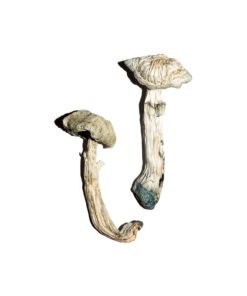
Magic Mushrooms
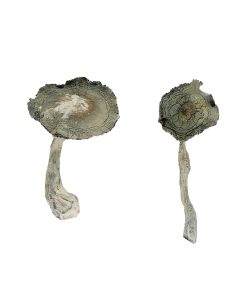
Magic Mushrooms
Magic Mushrooms
Magic Mushrooms
Reviews
There are no reviews yet.