
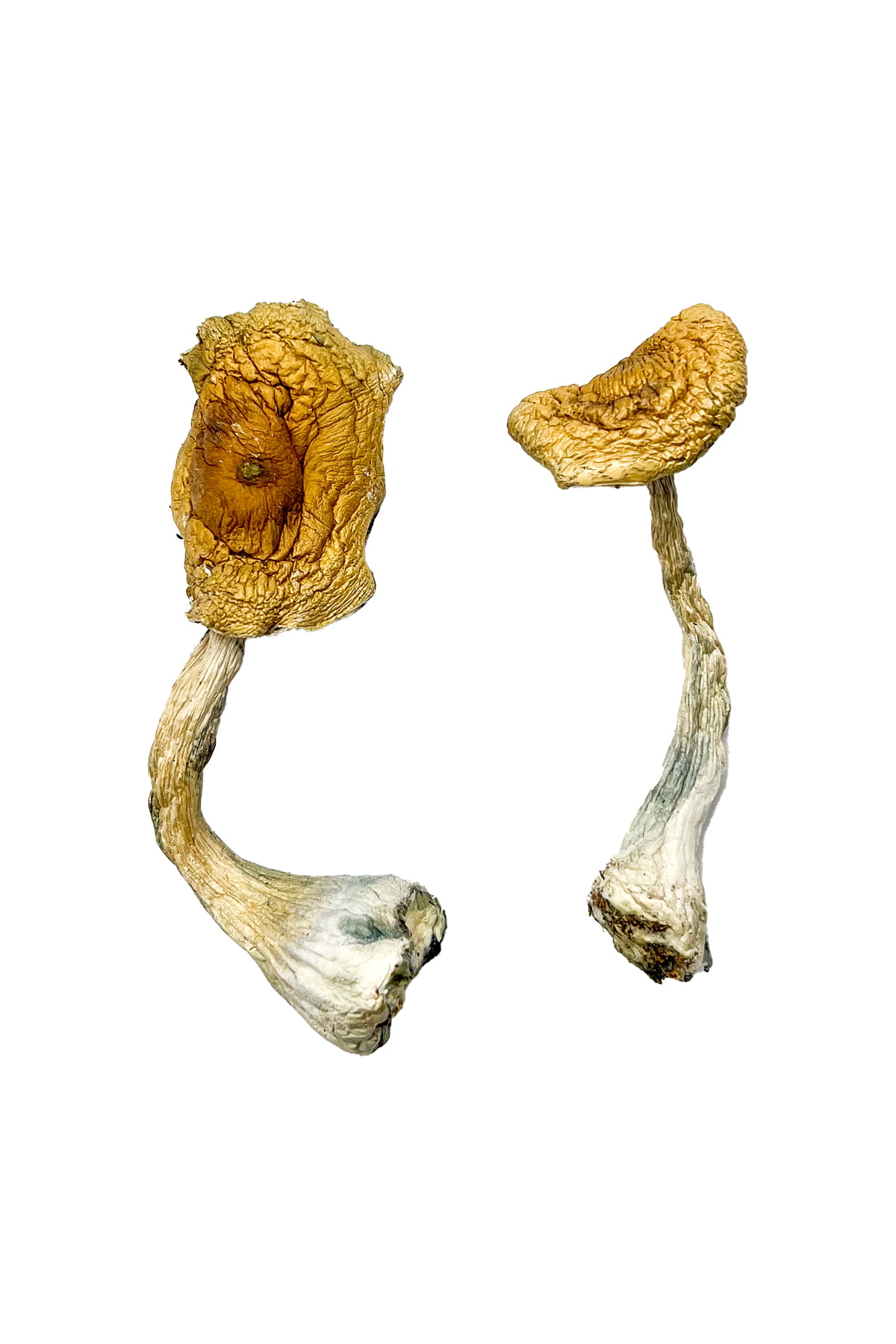
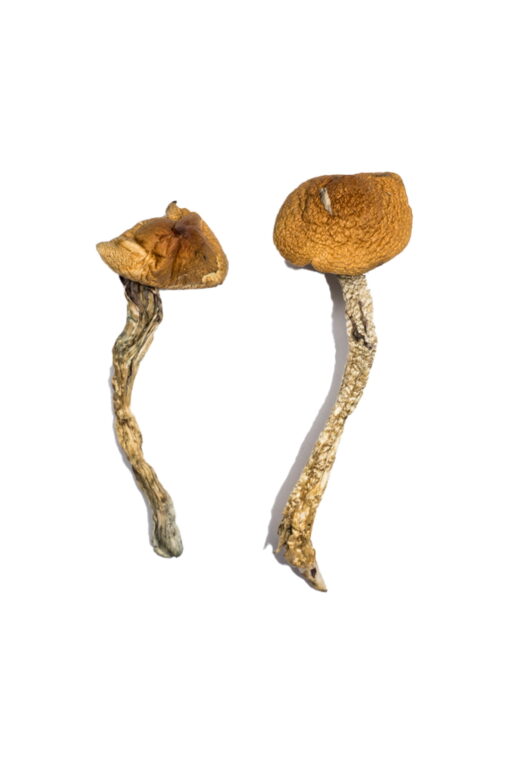
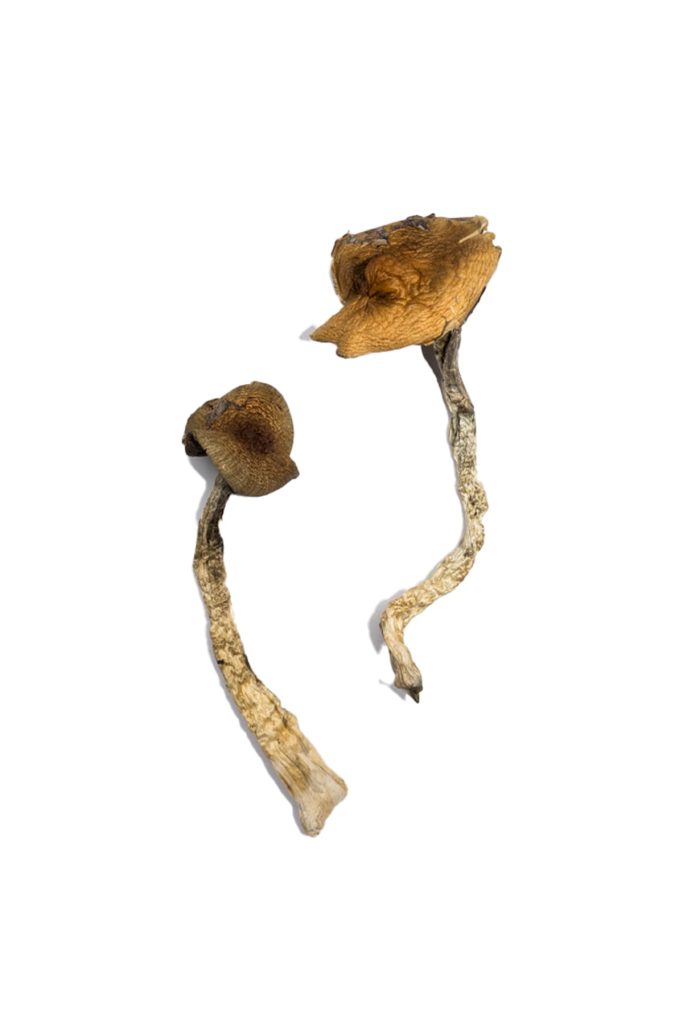
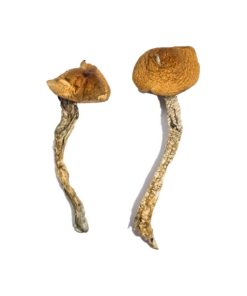
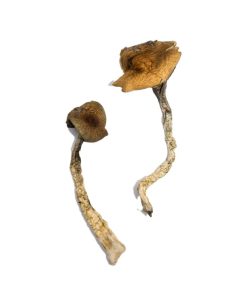
Tidal Wave Magic Mushrooms

€90 – €360Price range: €90 through €360
Tidal Wave Magic Mushrooms
Tidal Wave Magic Mushrooms is an informal name used for a cultivated variety associated with Psilocybe cubensis. Unlike the scientific name Psilocybe cubensis, “Tidal Wave” is a community-level cultivar or strain designation rather than a formally recognized biological species. The name has attracted considerable attention because of its reported lineage, unusual morphology, and a widely discussed laboratory result from a 2021 community potency competition.
Tidal Wave is generally described as a cross between B+ and Penis Envy, two well-known P. cubensis lineages. Contemporary strain references consistently associate the variety with this hybrid origin, although the detailed history of its breeding and subsequent selections is based largely on community documentation rather than formal peer-reviewed taxonomy.
The variety became particularly famous after a Tidal Wave-related sample was reported to have produced an exceptionally high total-tryptamine result in the 2021 Psilocybin Cup. However, this result needs important context: a result from one submitted sample does not establish that every Tidal Wave mushroom has the same chemical concentration. More recent scientific work on P. cubensis demonstrates substantial chemical variation between strains and even between individual mushrooms from the same strain.
For readers researching Tidal Wave Magic Mushrooms, this makes the variety particularly interesting from a mycological, genetic, chemical, historical, and scientific perspective. It also makes exaggerated claims about guaranteed potency or effects inappropriate.
What Are Tidal Wave Magic Mushrooms?
Tidal Wave Magic Mushrooms generally refers to an informal cultivated lineage of Psilocybe cubensis. The name does not describe a separate mushroom species.
The distinction between species and cultivar is important. Psilocybe cubensis is the scientific species, while Tidal Wave is a name used to distinguish a particular cultivated lineage. The same distinction applies to many other popular P. cubensis names found in mushroom communities.
Available strain documentation describes Tidal Wave as a deliberate B+ × Penis Envy hybrid. B+ is one of the established P. cubensis lines, while Penis Envy is another widely recognized cultivated lineage.
The hybrid nature of Tidal Wave is one of the main reasons for its popularity in mycological discussions. Community descriptions associate characteristics of both parent lines with the resulting mushrooms, including comparatively substantial stems and broader caps.
However, informal strain terminology should not be confused with formal taxonomic classification. Tidal Wave remains associated with P. cubensis rather than constituting a separately recognized species.
Tidal Wave at a Glance
| Characteristic | Description |
|---|---|
| Scientific species | Psilocybe cubensis |
| Common name | Tidal Wave |
| Classification | Informal cultivated variety/cultivar |
| Reported lineage | B+ × Penis Envy |
| Primary compounds of interest | Psilocybin and psilocin |
| Natural distribution | Not established as a distinct wild species |
| Main scientific interest | Genetics, chemistry, taxonomy, and psychedelic research |
These details should be understood as a summary of available scientific and community documentation rather than a guarantee that every mushroom carrying the Tidal Wave name has identical characteristics.
The B+ and Penis Envy Connection
The reported B+ and Penis Envy lineage is central to the story of Tidal Wave.
B+ has long been circulated within cultivated P. cubensis communities and is commonly described as a relatively robust cultivated line. Penis Envy is another famous P. cubensis lineage, distinguished by unusual morphology and a reputation for comparatively high concentrations of psychedelic compounds.
Tidal Wave is generally described as combining characteristics associated with both.
Community references describe the resulting mushrooms as having some of the denser structural characteristics associated with Penis Envy while retaining broader cap development associated with B+.
The exact genetic history is less straightforward than a simple two-name equation might suggest. Informal mushroom lineages can undergo repeated selection and propagation, and different examples sold or discussed under the same name may not necessarily represent genetically identical material.
This is why scientific researchers increasingly emphasize DNA-based identification and chemical analysis when comparing mushroom varieties.
Why Tidal Wave Became Famous
Tidal Wave gained unusual attention following a highly publicized result from the 2021 Psilocybin Cup.
A submitted sample associated with Tidal Wave was reported at approximately 3.82% total tryptamines by dry weight, a result that attracted considerable attention because it was substantially higher than concentrations commonly reported for many P. cubensis samples. Contemporary coverage describes it as a record-setting result in that competition.
That result helped establish Tidal Wave’s reputation within psychedelic mushroom communities.
However, there is an important scientific qualification.
A single laboratory result represents the particular material tested. It does not establish that every Tidal Wave mushroom will contain 3.82% total tryptamines.
The distinction is particularly important because newer controlled research has demonstrated significant chemical variability among P. cubensis strains and individual fruiting bodies.
The Importance of the 3.82% Result
The famous number should therefore be understood as a historical analytical result, not a universal specification.
This distinction is sometimes lost in online descriptions, where a result from one exceptional sample can become attached to an entire variety.
Scientific measurements require context. Researchers need to know what was tested, how it was prepared, what analytical method was used, and whether the sample is representative of a wider population.
The Tidal Wave story illustrates this particularly well.
Psilocybin and Psilocin
The main psychedelic compounds associated with Tidal Wave, assuming the material is genuinely Psilocybe cubensis, are psilocybin and psilocin.
Psilocybin is converted by the body into psilocin. Psilocin interacts with serotonin-related receptors in the brain and can produce profound changes in perception, cognition, emotion, and sensory processing.
NCCIH explains that psilocybin experiences can involve altered perceptions, strong emotions, vivid memories, changes in the perception of time, and changes in one’s sense of self.
The chemistry is more complex than simply measuring psilocybin.
Research has identified other naturally occurring tryptamines in P. cubensis, and recent studies have found meaningful differences in concentrations of several compounds between strains.
This developing area of research is one reason scientists are increasingly interested in metabolomic profiling rather than relying exclusively on traditional strain names.
Chemical Variation in Tidal Wave
A major misconception surrounding named mushroom varieties is that the name automatically establishes potency.
It does not.
A recent controlled investigation of P. cubensis strains found more than sevenfold differences in total measured tryptamine concentrations between strains and also observed considerable variation between individual fruiting bodies.
This finding has direct relevance to Tidal Wave.
Although the variety has a reputation for unusually high potency because of the famous competition sample, the chemistry of any particular specimen cannot be established merely from the name.
Genetics, environmental conditions, developmental stage, storage, and other biological variables can influence chemical composition.
Why Individual Mushrooms Can Differ
Mushrooms are living organisms rather than standardized pharmaceutical tablets.
Two specimens carrying the same informal strain name can differ genetically or chemically. Even specimens originating from the same cultivated lineage can show variation.
This makes phrases such as “guaranteed potency” scientifically questionable unless they refer to a specifically tested and characterized sample.
For research purposes, laboratory analysis provides much stronger evidence than a community reputation.
Appearance and Morphology
Tidal Wave is often described as displaying characteristics associated with both of its reported parent lineages.
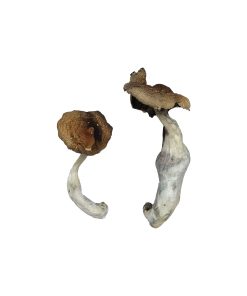
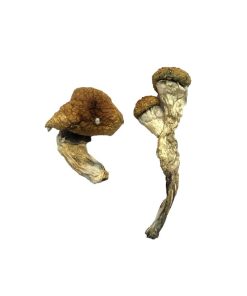
Descriptions commonly emphasize substantial stems and comparatively broad caps, with some specimens showing distinctive wavy or irregular cap margins that helped inspire the name.
Morphology can nevertheless vary.
The appearance of cultivated mushrooms can change according to genetics, environmental conditions, maturity, and other factors. Consequently, a photograph is not enough to establish that an unidentified specimen is Tidal Wave.
This is particularly important when mushrooms are collected outside controlled settings.
NCCIH warns that poisonous mushrooms can resemble psilocybin-containing mushrooms, and accidental misidentification can result in serious or potentially fatal poisoning.
Tidal Wave Versus Other P. cubensis Varieties
The Tidal Wave name is sometimes confused with related lines and derivatives.
Online references may mention Tidal Wave alongside variations such as Tidal Wave 2, Tidal Wave 3, or other descendants and crosses. These names do not necessarily represent the same genetics.
The broader lesson is that informal mushroom nomenclature can become complicated as cultivators select mutations, make additional crosses, or give new names to distinctive phenotypes.
Therefore, readers should distinguish the original Tidal Wave designation from later derivatives unless the genetic relationship has been clearly documented.
Tidal Wave and Modern Mycology
The scientific importance of Tidal Wave extends beyond its popularity among mushroom enthusiasts.
It provides an interesting example of how cultivated fungal lineages can develop distinct reputations based on morphology, genetics, and chemical measurements.
Modern mycology increasingly combines traditional morphological identification with genomic techniques.
A recent review of P. cubensis research highlights the expanding scientific interest in the species, including its genetics, psychoactive compounds, cultivation biology, and research gaps.
Genetic analysis is particularly useful because names assigned within cultivation communities do not necessarily correspond to stable taxonomic units.
As sequencing becomes more accessible, researchers can compare named varieties at the genetic level rather than relying entirely on community histories.
Tidal Wave and Psychedelic Research
Although Tidal Wave itself is not a standardized pharmaceutical preparation, its connection to P. cubensis places it within a much broader field of psilocybin research.
Scientists are investigating psilocybin in neuroscience, psychiatry, pharmacology, and mental-health research.
NCCIH reports growing research into potential applications involving depression, anxiety associated with serious illness, addiction, and other conditions. It also notes that clinical studies use controlled environments and carefully structured protocols.
This distinction is important.
Research involving purified or analytically characterized psilocybin under professional supervision should not be treated as equivalent to consuming an informally named mushroom.
Clinical trials can control the substance, participant selection, environment, psychological support, and monitoring. Those factors are central to interpreting research findings.
Potential Effects
The effects associated with psilocybin-containing mushrooms can include changes in:
- Visual perception
- Time perception
- Mood
- Emotional intensity
- Thought patterns
- Sensory processing
- Self-perception
- Memory
- Awareness of surroundings
Some people report vivid visual experiences or significant alterations in their sense of time and self.
Others may experience anxiety, fear, confusion, paranoia, or panic.
NCCIH emphasizes that psychedelic experiences can be unpredictable and that mood, expectations, surroundings, health, mushroom type, previous experience, and use of other substances can all influence the outcome.
For this reason, claims that Tidal Wave inevitably produces one particular type of experience should be treated as anecdotal rather than established scientific fact.
Safety Considerations
Psilocybin is a powerful psychoactive compound and should not be regarded as risk-free.
NCCIH lists possible adverse effects including nausea, dizziness, headache, fatigue, increased heart rate, increased blood pressure, anxiety, paranoia, hallucinations, and persistent psychosis in some circumstances.
The psychological effects can be particularly unpredictable.
Some people experience intense fear or confusion, sometimes described as a “bad trip.” These experiences can become more difficult when judgment and perception are substantially altered.
NCCIH also identifies important concerns for people with certain psychiatric conditions, including psychotic disorders such as schizophrenia and schizoaffective disorder.
Mushroom Identification Risks
There is another risk separate from the pharmacological effects of psilocybin: misidentification.
A mushroom that resembles a psilocybin-producing species may actually belong to a poisonous species. This is one reason responsible mycological identification should rely on appropriate expertise rather than a commercial name or photograph.
“Natural” also does not automatically mean safe. Mushroom chemistry can be complicated, and unknown material cannot be assumed to have a predictable composition.
Tidal Wave and the Importance of Laboratory Testing
The story of Tidal Wave demonstrates why analytical testing is valuable.
Its reputation was significantly influenced by a particular competition result. Yet modern research shows that psilocybin mushroom chemistry varies substantially among strains and individual fruiting bodies.
Laboratory analysis can quantify compounds and provide a more objective picture of chemical composition.
This is especially relevant for scientific research, where reproducibility matters.
If researchers want to compare two mushroom varieties, simply knowing their names is insufficient. They need information about genetic identity, cultivation conditions, sample preparation, analytical methodology, and measured chemical concentrations.
Legal Considerations
The legal status of psilocybin mushrooms varies substantially between jurisdictions.
Some countries regulate psilocybin and psilocin directly, while others have laws addressing mushrooms, possession, cultivation, distribution, or controlled substances more generally.
The fact that Tidal Wave is a cultivated variety does not automatically determine its legal status.
Anyone researching the legal position should consult current laws applicable to their specific location. Regulations can change, and exceptions for scientific or clinical research may not apply to private possession or commercial activity.
How to Evaluate Online Claims
Because Tidal Wave has a strong reputation online, readers will encounter many claims about it.
A useful way to evaluate those claims is to ask:
- Is the information referring to Psilocybe cubensis?
- Is “Tidal Wave” being used as a cultivar name rather than a species?
- Is a potency claim supported by laboratory data?
- Does the source distinguish one tested sample from the entire variety?
- Is the claim based on scientific research or anecdotal reports?
- Is the legal information current for the relevant jurisdiction?
This approach is especially valuable when evaluating claims based on the famous 2021 potency result.
The reported 3.82% result is historically interesting, but it should not be treated as a universal chemical specification for all Tidal Wave material.
Why Tidal Wave Remains Scientifically Interesting
Tidal Wave Magic Mushrooms occupy an unusual position within contemporary mushroom culture.
They combine a recognizable informal lineage, a reported B+ × Penis Envy origin, distinctive morphology, and an unusually prominent history of chemical testing.
At the same time, the variety illustrates several broader lessons about psychedelic fungi.
First, strain names are not necessarily scientific classifications.
Second, potency can vary considerably, even among mushrooms carrying the same name.
Third, laboratory analysis provides more reliable chemical information than reputation or anecdote.
Finally, the growing interest in psilocybin research is encouraging scientists to study these organisms at multiple levels—from fungal genetics and metabolism to neuroscience and clinical psychiatry.
For those reasons, Tidal Wave is more than simply a popular mushroom name. It is also an interesting example of the gap between informal cultivar terminology and modern scientific characterization.
Frequently Asked Questions About Tidal Wave Magic Mushrooms
1. What are Tidal Wave Magic Mushrooms?
Tidal Wave Magic Mushrooms is an informal name generally associated with a cultivated Psilocybe cubensis lineage. It is commonly described as a hybrid between B+ and Penis Envy. The term “Tidal Wave” is not a separate scientific species designation.
2. Is Tidal Wave a species of mushroom?
No. Tidal Wave is generally treated as an informal cultivar or strain name associated with Psilocybe cubensis. The scientific species is P. cubensis, while Tidal Wave distinguishes a particular cultivated lineage.
3. Why is Tidal Wave considered notable?
Tidal Wave became particularly famous after a submitted sample reportedly produced approximately 3.82% total tryptamines in the 2021 Psilocybin Cup. That result attracted significant attention, although it represents a particular tested sample rather than a guaranteed concentration for every Tidal Wave mushroom.
4. Does Tidal Wave have a predictable potency?
No. A strain name does not establish a fixed chemical concentration. Recent research on P. cubensis has demonstrated substantial variation in tryptamine concentrations between strains and between individual fruiting bodies.
5. What effects are associated with psilocybin mushrooms?
Psilocybin can alter perception, mood, cognition, time perception, sensory processing, and one’s sense of self. Possible adverse effects include nausea, dizziness, anxiety, paranoia, increased heart rate and blood pressure, hallucinations, and other psychological reactions.
6. Is Tidal Wave legal?
The legal status depends on the country and jurisdiction. Laws concerning psilocybin, psilocin, and psilocybin-containing mushrooms vary and can change. Current local legislation should be consulted for a specific legal determination.
| Quantity | 7grams, 14grams, 28grams |
|---|
Be the first to review “Tidal Wave Magic Mushrooms” Cancel reply
Related products

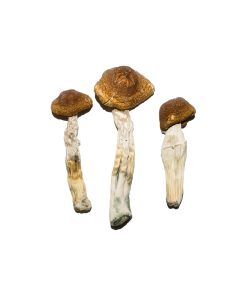
Magic Mushrooms
Magic Mushrooms
Magic Mushrooms

Magic Mushrooms

Magic Mushrooms
Magic Mushrooms

Magic Mushrooms

Magic Mushrooms
Reviews
There are no reviews yet.