
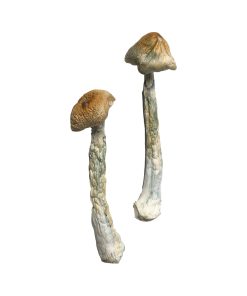
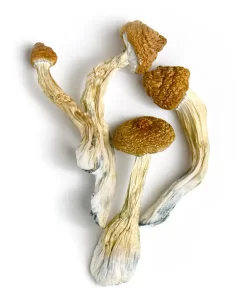
HillBilly Magic Mushrooms
€90 – €1440Price range: €90 through €1440
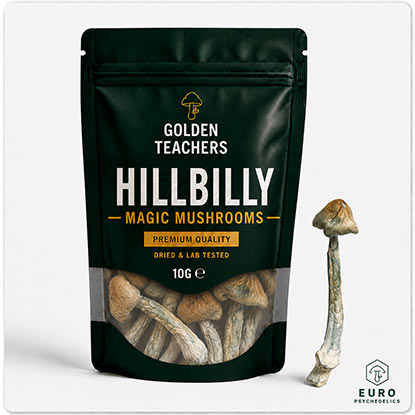
HillBilly Magic Mushrooms
HillBilly Magic Mushrooms is an informal name commonly associated with a cultivated lineage of Psilocybe cubensis, one of the best-known psilocybin-producing mushroom species. Unlike a formal scientific species name, “HillBilly” is generally used as a strain or variety name within mushroom-growing and psychedelic communities. That distinction is important because informal strain names do not necessarily provide a standardized genetic identity or predictable chemical profile.
Psilocybe cubensis has attracted extensive attention from mycologists, chemists, neuroscientists, and researchers studying psychedelic compounds. Its popularity in scientific research is partly related to its widespread distribution and the relative availability of cultivated material for laboratory investigation. Recent research has demonstrated, however, that different P. cubensis strains can vary substantially in their concentrations of psilocybin and other tryptamine compounds—even when they are grown under controlled laboratory conditions.
For that reason, HillBilly Magic Mushrooms should not be described as having a universally fixed potency, chemical composition, appearance, or psychedelic experience. The name is best understood as an informal identifier associated with P. cubensis, rather than as a guarantee of specific characteristics.
This distinction is also relevant to safety. Psilocybin can produce powerful changes in perception, mood, cognition, and sensory processing, while unidentified mushrooms can create an additional risk of accidental poisoning. Health authorities emphasize that psychedelic mushroom experiences can be unpredictable and that some poisonous mushrooms resemble psilocybin-containing species.
What Are HillBilly Magic Mushrooms?
HillBilly Magic Mushrooms is a community name generally associated with Psilocybe cubensis. The term “HillBilly” itself is not a formal taxonomic classification.
In scientific mycology, a species such as Psilocybe cubensis has a defined biological identity. A strain or cultivar name, by comparison, may describe a cultivated lineage that has been selected and maintained within a community. Such names can be useful for distinguishing lines of cultivated mushrooms, but they do not necessarily correspond to formally recognized scientific taxa.
This difference becomes particularly important when discussing characteristics such as potency. A strain name alone cannot establish the concentration of psilocybin or psilocin in an individual mushroom.
Scientific studies increasingly demonstrate why this caution is necessary. A 2026 study examining 14 P. cubensis strains under standardized laboratory conditions found more than sevenfold variation in total measured tryptamine concentrations between strains. It also found meaningful variation between individual fruiting bodies within the same strain.
Therefore, descriptions of HillBilly Magic Mushrooms should focus on their taxonomic association, history, chemistry, research relevance, and known risks, rather than presenting a fixed potency claim.
HillBilly and Psilocybe cubensis
Psilocybe cubensis is one of the most widely recognized psilocybin-producing mushroom species.
Scientific literature describes P. cubensis as a species with substantial genetic and biochemical diversity. Researchers have investigated its genetics, morphology, secondary metabolites, ecology, and biosynthesis of psilocybin.
The species belongs to the genus Psilocybe, which contains numerous fungi associated with psilocybin production. Recent genomic research has expanded understanding of the genus and identified additional whole genomes useful for investigating taxonomy, evolution, and the psilocybin biosynthetic pathway.
HillBilly therefore belongs to a much larger scientific story. Although the informal name itself may not have extensive peer-reviewed documentation, its association with P. cubensis places it within a mushroom species that has become an important subject of modern fungal and psychedelic research.
Strain Names Versus Scientific Names
A useful way to understand HillBilly is to distinguish three levels of terminology:
Species: Psilocybe cubensis
Informal strain or variety: HillBilly
Active compounds: primarily psilocybin and psilocin, along with other naturally occurring metabolites
These categories should not be treated as interchangeable.
A species identifies a biological organism. A strain name identifies a particular community-recognized lineage or phenotype. Chemical compounds describe what is present in the mushroom.
This distinction prevents a common misunderstanding in online mushroom descriptions: assuming that a particular name automatically corresponds to a standardized chemical preparation.
Psilocybin and Psilocin
The primary compounds responsible for the characteristic psychedelic effects of many Psilocybe mushrooms are psilocybin and psilocin.
Psilocybin is converted in the body into psilocin. Psilocin interacts with serotonin-related receptors in the brain, particularly pathways involved in perception, cognition, and mood.
The resulting experience can involve substantial changes in sensory perception and psychological state. According to NCCIH, reported experiences can include altered perceptions of time and space, intense emotions, vivid memories, changes in self-perception, and hallucinations.
The chemistry of P. cubensis is more complicated than psilocybin alone, however. Modern analytical research has identified additional tryptamines and other secondary metabolites.
A recent study examining 14 P. cubensis strains quantified psilocybin, psilocin, baeocystin, norbaeocystin, aeruginascin, and norpsilocin, finding significant differences among strains.
This developing research suggests that the chemical profile of psychedelic mushrooms is considerably more complex than older descriptions sometimes imply.
Chemical Variation in HillBilly Magic Mushrooms
One of the most important facts about HillBilly Magic Mushrooms is that a strain name cannot provide an exact chemical specification.
Recent laboratory research illustrates the extent of natural variation. Researchers cultivated 14 P. cubensis strains under standardized conditions and found total tryptamine concentrations varying by more than sevenfold. Individual mushrooms within the same selected strain also showed substantial differences.
These findings have important implications for how named mushroom varieties should be described.
A statement such as “HillBilly mushrooms contain exactly X amount of psilocybin” would require analytical evidence for the specific sample being discussed. Even then, the result would describe that tested material rather than every mushroom carrying the same informal name.
Why Chemical Testing Matters
Laboratory analysis can provide considerably more reliable information about chemical composition than an informal strain label.
Researchers can use analytical techniques to measure compounds such as psilocybin and psilocin and compare chemical profiles between samples.
This is particularly important in scientific and therapeutic contexts, where reproducibility is essential.
A 2022 study examining Psilocybe specimens found widespread problems with historical taxonomic identification and also documented variability and instability in psilocybin and psilocin measurements.
The findings reinforce an important principle: names are useful for communication, but laboratory characterization is necessary for precise chemical claims.
Appearance and Identification
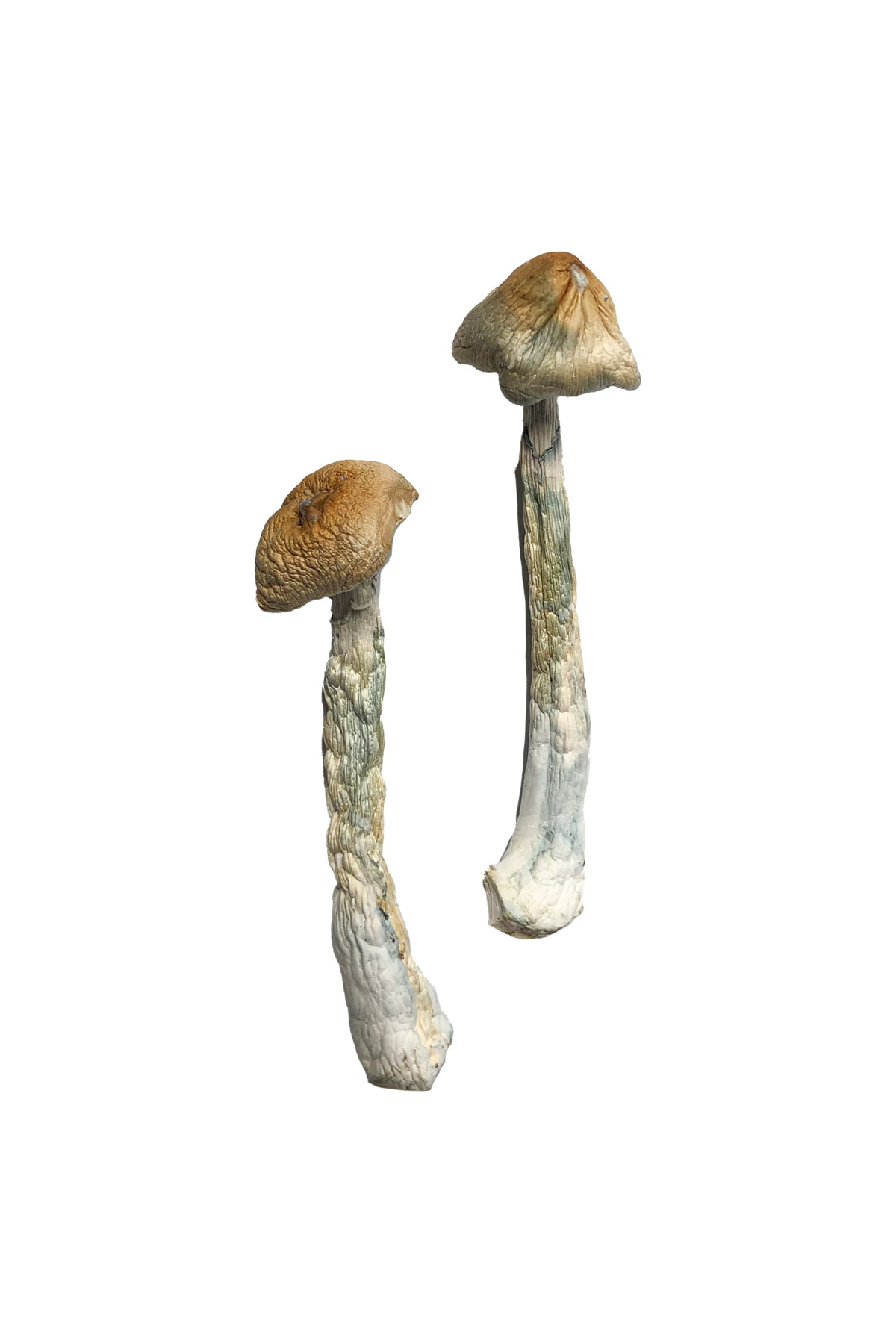
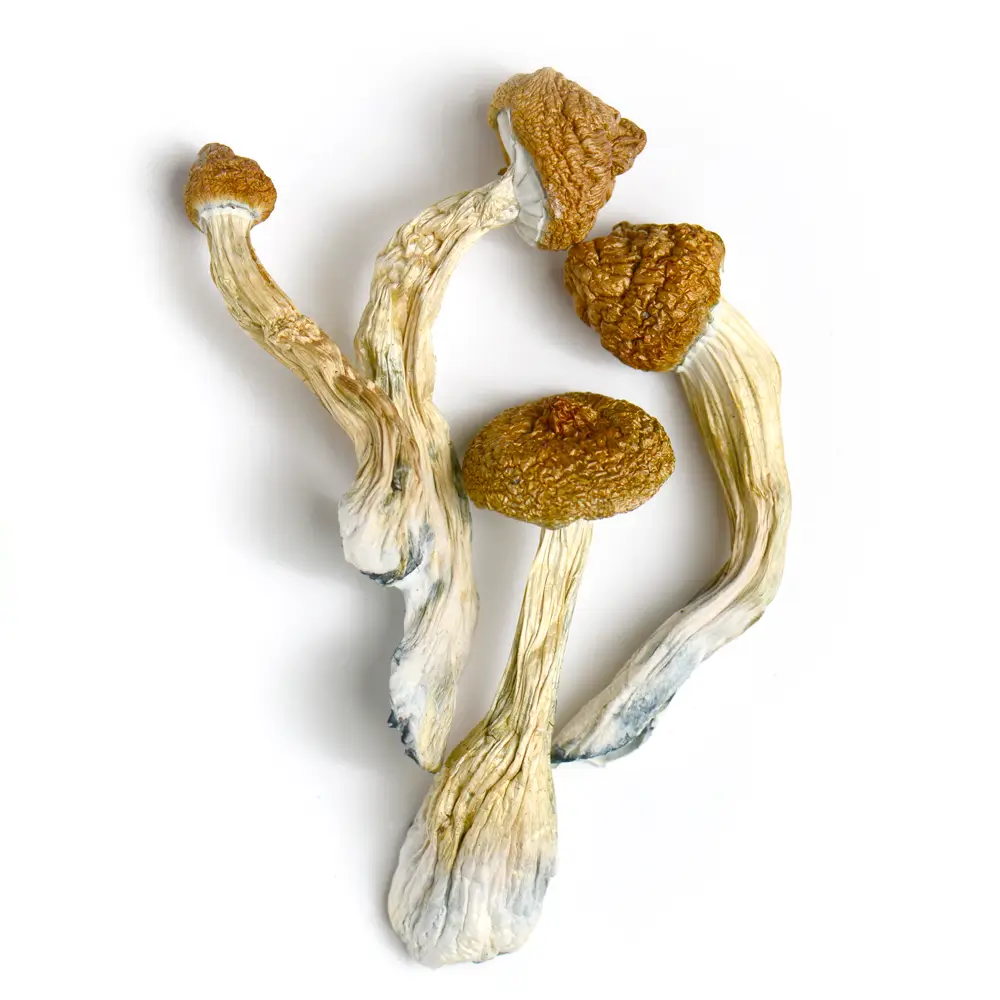
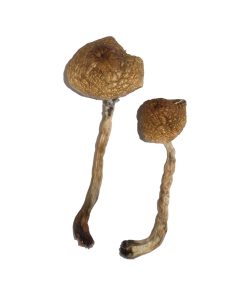
Descriptions of Psilocybe cubensis commonly focus on characteristics such as the shape and coloration of the cap, gill structure, stem morphology, and spore characteristics.
However, appearance can vary with age, genetics, environmental conditions, and cultivation history.
This makes it difficult to establish the identity of a mushroom solely from a photograph or marketplace description.
The problem extends beyond HillBilly. Scientific examination of Psilocybe specimens has uncovered cases in which mushrooms preserved in collections were incorrectly identified, including specimens assigned to the wrong genus or species. DNA barcoding has helped researchers detect these discrepancies.
Consequently, the name HillBilly should not be treated as definitive proof of the species identity of an unidentified mushroom.
Why Identification Is Important
Correct mushroom identification has an obvious safety dimension.
Some poisonous mushrooms can resemble psychoactive species. NCCIH specifically warns that mistakenly consuming a poisonous mushroom can result in serious or fatal poisoning.
For scientific identification, mycologists may consider morphology, microscopy, ecological characteristics, DNA sequencing, and other evidence.
A commercial or community label is not equivalent to professional identification.
Effects Associated With Psilocybin Mushrooms
Because HillBilly is generally discussed in connection with P. cubensis, descriptions of its effects are more appropriately framed around the known effects of psilocybin rather than claiming that the informal strain name produces a guaranteed experience.
Potential psychological effects include:
- Altered visual perception
- Changes in the perception of time
- Intensified emotions
- Unusual thought patterns
- Changes in the sense of self
- Heightened sensory experiences
- Vivid memories
- Hallucinations
- Anxiety or fear
- Confusion or paranoia
Physical effects can include nausea, dizziness, headache, fatigue, increased heart rate, and increased blood pressure.
The experience can differ significantly between individuals.
Mood, expectations, surroundings, health, previous psychedelic experience, the specific mushroom material, and simultaneous use of other substances can all affect the outcome. NCCIH describes psychedelic experiences as potentially unpredictable and notes that some people experience severe fear, confusion, or panic.
HillBilly Magic Mushrooms and Modern Research
Research into Psilocybe cubensis has expanded considerably as scientific interest in psychedelics has grown.
Researchers are studying both the mushroom itself and the compounds it produces.
Areas of investigation include:
- Fungal genetics
- Psilocybin biosynthesis
- Metabolomics
- Taxonomy
- Neuroscience
- Psychedelic pharmacology
- Mental-health research
- Chemical standardization
Recent genomic research has improved scientists’ ability to investigate the evolutionary history of Psilocybe and the genes involved in psilocybin production.
Other research has focused on the chemical diversity of individual strains.
A 2025 study examining 42 psilocybin-producing fungal strains found substantial metabolite diversity and demonstrated that names used for cultivated material do not always provide a complete picture of genetic or chemical identity.
These developments are helping move psychedelic mushroom research from informal descriptions toward more rigorous genetic and chemical characterization.
Medical and Therapeutic Research
Psilocybin has also become an important subject in modern psychiatric research.
NCCIH reports increasing research interest in potential applications involving depression, anxiety associated with serious illness, post-traumatic stress disorder, and addiction. The U.S. Food and Drug Administration has granted breakthrough-therapy designations to psilocybin-assisted psychotherapy for treatment-resistant depression and major depressive disorder.
These developments should nevertheless be interpreted carefully.
Clinical research typically uses controlled conditions, participant screening, trained professionals, carefully characterized substances, and structured psychological support. These circumstances differ significantly from consuming an informally labeled mushroom.
Promising clinical findings involving pharmaceutical or analytically characterized psilocybin should therefore not be interpreted as evidence that every mushroom carrying a particular strain name has identical therapeutic properties.
Safety Considerations
HillBilly Magic Mushrooms should not be assumed to be risk-free.
Psilocybin can produce substantial changes in perception and psychological state. NCCIH lists possible adverse effects including increased heart rate and blood pressure, nausea, dizziness, headache, fatigue, anxiety, paranoia, hallucinations, and persistent psychosis in some circumstances.
Certain psychiatric conditions are particularly relevant. NCCIH states that psilocybin is not considered safe for people with psychotic conditions such as schizophrenia or schizoaffective disorder and certain severe psychiatric conditions.
There is also the separate risk of mushroom misidentification.
If an unidentified mushroom has been consumed and poisoning is suspected, prompt medical assistance or poison-control guidance is appropriate.
Why Potency Claims Need Caution
Online mushroom descriptions frequently use terms such as “strong,” “mild,” or “high potency.” These descriptions are not standardized scientific measurements.
Recent controlled research demonstrates that P. cubensis strains can differ substantially in tryptamine concentration and that individual fruiting bodies can vary within the same strain.
Consequently, a responsible description should avoid presenting an informal name as a precise measure of chemical strength.
Taxonomy and the Future of Mushroom Research
The scientific understanding of Psilocybe continues to develop.
Genomic studies have revealed a complex evolutionary history within the genus and are providing researchers with better tools for distinguishing species and understanding the origins of psilocybin biosynthesis.
This is particularly relevant to informal mushroom names because many community labels originated before modern genomic tools became widely available.
As DNA sequencing and metabolomic analysis become more accessible, researchers may be able to establish clearer relationships between:
genetics → morphology → chemical profile → biological effects
That work could eventually make mushroom research more reproducible and improve scientific understanding of why different P. cubensis lineages exhibit different characteristics.
Legal Considerations
The legal status of psilocybin-containing mushrooms varies considerably between countries and jurisdictions.
Some jurisdictions regulate psilocybin and psilocin specifically, while others regulate possession, cultivation, distribution, or the mushrooms themselves. Regulations can also change over time.
Therefore, the name HillBilly does not establish whether a mushroom is legal in a particular location.
Anyone researching the legal position of psilocybin mushrooms should consult current legislation applicable to their jurisdiction rather than relying on online strain descriptions or outdated community information.
Scientific research and clinical trials may also operate under regulatory exemptions or licenses that do not apply to private possession or other activities.
How to Evaluate Information About HillBilly Magic Mushrooms
Readers encountering information about HillBilly Magic Mushrooms online should distinguish established scientific information from informal community terminology.
A useful checklist is:
- What species is being claimed?
- Is the species identification scientifically supported?
- Is “HillBilly” being used as a strain name rather than a species name?
- Are potency claims backed by laboratory analysis?
- Is the information based on peer-reviewed research or anecdotal reports?
- Are health claims supported by reputable medical organizations?
- Has the relevant legal information been checked for the current jurisdiction?
This approach is particularly valuable because scientific research has demonstrated that mushroom names and taxonomic identities can sometimes disagree.
Why HillBilly Magic Mushrooms Remain an Interesting Research Topic
HillBilly Magic Mushrooms are interesting primarily because they sit at the intersection of informal mushroom culture and rapidly developing scientific research.
The name is generally associated with Psilocybe cubensis, a species that has become an important model for studying psilocybin-producing fungi. Research now extends from traditional mushroom identification to DNA sequencing, metabolomics, biosynthetic pathways, and clinical psychedelic science.
Recent findings show that even closely related cultivated strains can have substantially different chemical profiles.
This makes HillBilly useful as an example of a broader issue in psychedelic mushroom research: a name does not necessarily equal a standardized biological or chemical product.
Understanding that distinction allows readers to approach the subject more accurately and responsibly.
Frequently Asked Questions About HillBilly Magic Mushrooms
1. What are HillBilly Magic Mushrooms?
HillBilly Magic Mushrooms is an informal name generally associated with a cultivated lineage of Psilocybe cubensis. “HillBilly” is not a formal scientific species name, so the term should not automatically be interpreted as a standardized genetic or chemical classification.
2. Are HillBilly Magic Mushrooms a species?
No. HillBilly is generally used as an informal strain or variety name, while Psilocybe cubensis is the scientific species commonly associated with the name. Scientific identification requires more evidence than a strain label alone.
3. Do HillBilly Magic Mushrooms contain psilocybin?
Mushrooms identified as Psilocybe cubensis are known as psilocybin-producing fungi. However, an informal HillBilly label alone cannot establish the identity or chemical composition of a particular specimen. Research has demonstrated substantial chemical variation among P. cubensis strains.
4. What effects are associated with HillBilly Magic Mushrooms?
Because the name is associated with psilocybin-containing P. cubensis, effects may include altered perception, changes in mood and thought patterns, altered time perception, hallucinations, and intensified emotions. Unpleasant reactions such as anxiety, panic, paranoia, nausea, dizziness, and increased heart rate can also occur.
5. Are HillBilly Magic Mushrooms safe?
They should not automatically be considered safe. Psilocybin can cause significant psychological and physical effects, while incorrect identification of a mushroom can create a serious poisoning risk. NCCIH recommends particular caution because psychedelic experiences can be unpredictable.
6. Is HillBilly Magic Mushrooms a scientifically standardized name?
No. The name is better understood as an informal community designation than as a standardized scientific classification. Modern research shows that strain names do not always provide sufficient information about genetics or chemical composition, making laboratory and genetic characterization important for scientific work.
| Quantity | 14grams, Oz, Qp, Hp, 1p |
|---|
Be the first to review “HillBilly Magic Mushrooms” Cancel reply
Related products
Magic Mushrooms
Magic Mushrooms
Magic Mushrooms
Magic Mushrooms
Magic Mushrooms
Magic Mushrooms
Magic Mushrooms
Magic Mushrooms
Reviews
There are no reviews yet.