
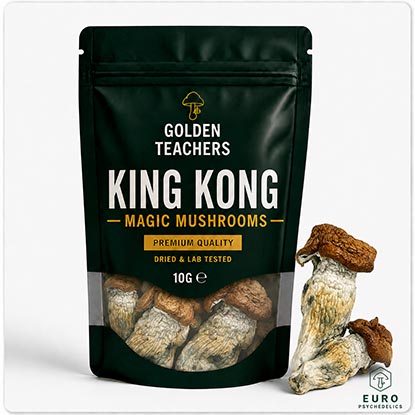
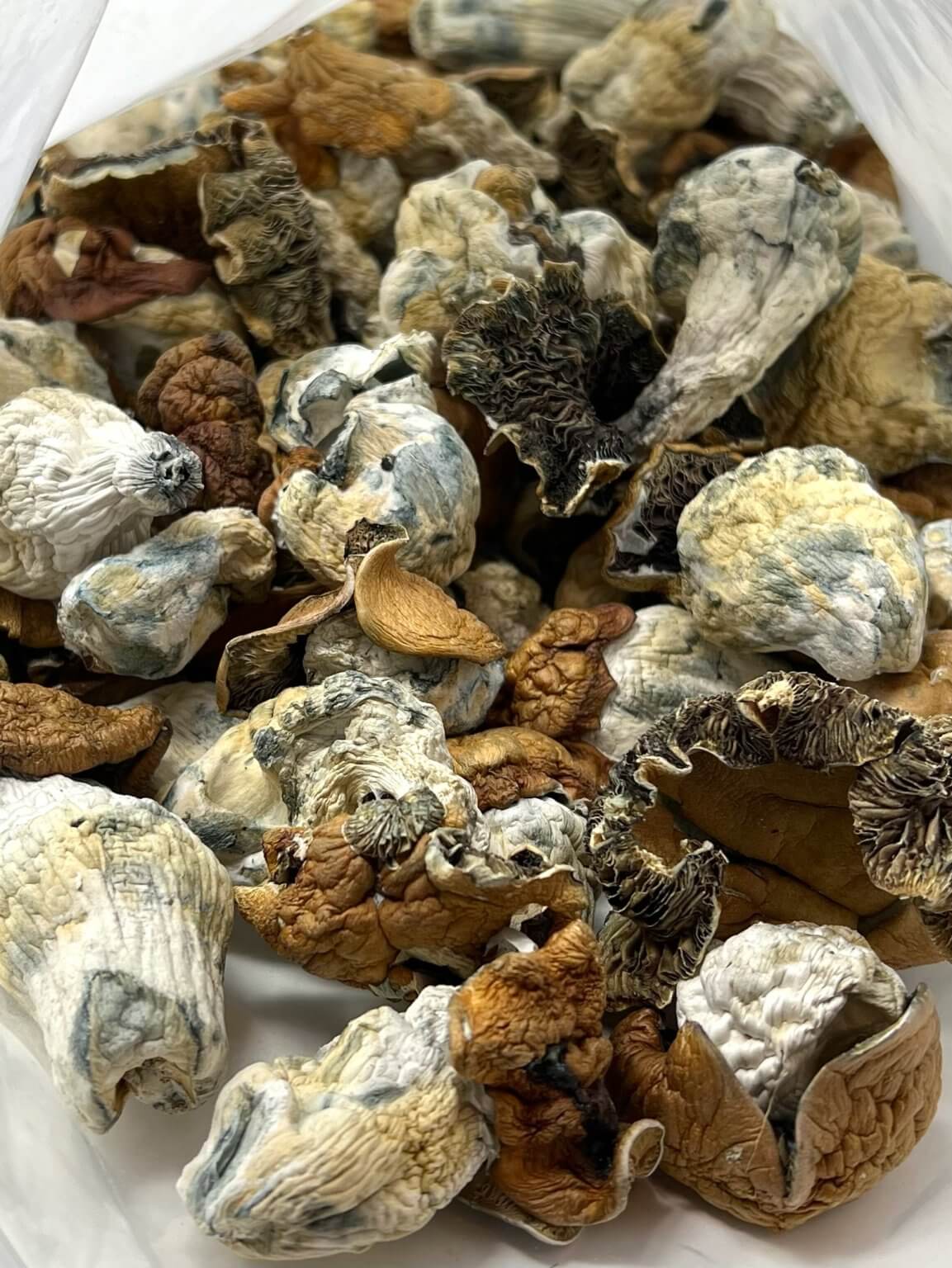
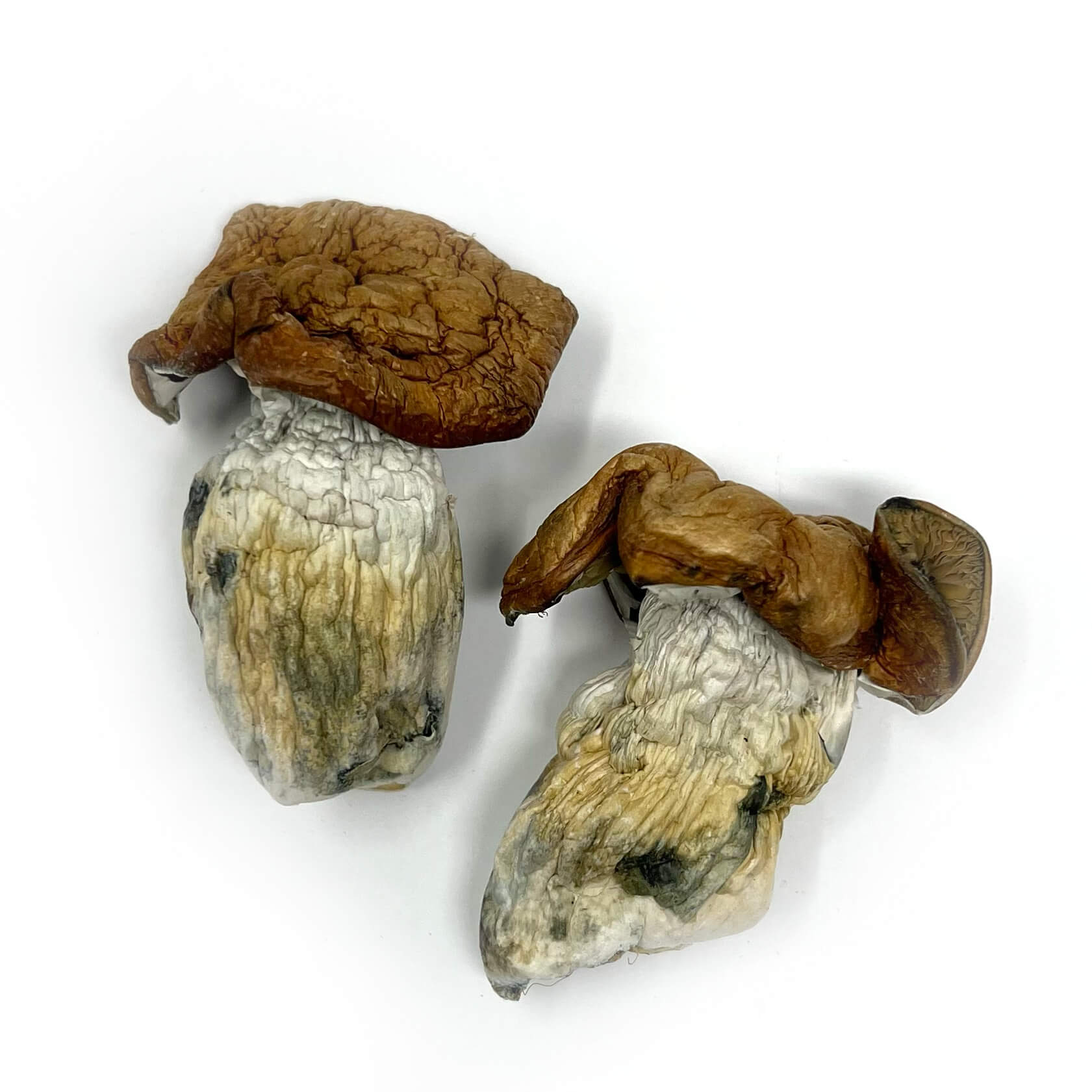
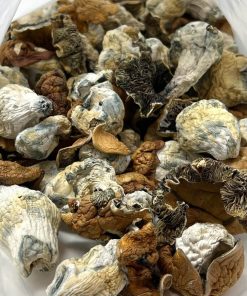
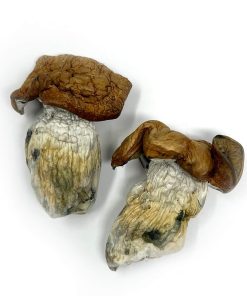
King Kong Magic Mushrooms
King Kong Magic Mushrooms is an informal name used in online discussions of psychedelic mushrooms rather than a universally recognized scientific species name. This distinction is important because names used in mushroom communities can describe cultivars, phenotypes, informal varieties, or marketing labels rather than formally classified species.
The scientific genus Psilocybe includes numerous mushroom species capable of producing psilocybin, the naturally occurring psychedelic compound responsible for much of their characteristic psychoactive activity. Modern genomic research estimates roughly 165 currently accepted Psilocybe species, while also highlighting ongoing challenges in taxonomy and identification.
There is consequently no reliable scientific basis for assuming that every mushroom described online as “King Kong” has an identical genetic background, chemical profile, appearance, or potency. Recent research demonstrates substantial metabolic diversity among psilocybin-producing fungal strains and has also documented problems with historical mushroom identification and labeling.
For readers researching King Kong Magic Mushrooms, the most useful approach is therefore to distinguish the informal name from the underlying mushroom species and to consider the subject through mycology, chemistry, history, health, research, and legal perspectives.
What Are King Kong Magic Mushrooms?
King Kong Magic Mushrooms is not, by itself, a formal Latin binomial such as Psilocybe cubensis or Psilocybe mexicana. Instead, “King Kong” appears to be used as an informal name within the broader psychedelic mushroom marketplace and cultivation community.
That distinction has practical scientific importance.
A recognized species has a taxonomic identity that can be investigated using morphology, DNA sequencing, ecological information, and other scientific methods. An informal name does not necessarily provide that level of certainty.
Scientific research has demonstrated that even specimens preserved in established fungal collections can sometimes be incorrectly identified. A study examining 94 Psilocybe specimens found widespread taxonomic misdeterminations and reported inconsistencies in psilocybin and psilocin detection.
Consequently, an online name such as “King Kong” should not automatically be interpreted as evidence of a particular species or chemical composition.
King Kong as a Mushroom Name
Names used by mushroom enthusiasts can sometimes refer to particular cultivated lines or informal phenotypes. However, these names do not necessarily have the same scientific status as species names.
A 2025 analysis of 42 psilocybin-producing fungal strains illustrates this complexity. The researchers examined numerous named strains and compared their genetic classifications with their reported names. Some samples had names associated with one taxonomic identity but were genetically assigned differently, demonstrating why strain labels alone should be interpreted cautiously.
For this reason, any serious discussion of King Kong Magic Mushrooms should avoid treating the name as a guaranteed indicator of genetics, potency, or effects.
The Science Behind Psilocybin Mushrooms
The primary compound associated with psychedelic mushrooms is psilocybin.
Psilocybin is a naturally occurring tryptamine that is converted by the body into psilocin. Psilocin interacts with serotonin systems in the brain and can significantly alter perception, cognition, mood, and sensory processing.
The scientific literature identifies psilocybin-producing mushrooms as a diverse group rather than a single species. Research into the genus Psilocybe has examined its evolutionary history, genetics, ecology, and biosynthetic pathways.
This research has become increasingly important because scientists are investigating how naturally occurring psychedelic compounds interact with the human nervous system and whether controlled psilocybin administration could have therapeutic applications.
However, the existence of medical research does not mean that unidentified or informally labeled mushrooms should be considered standardized medicines.
Psilocybin and Psilocin
Understanding the difference between psilocybin and psilocin helps explain why psychedelic mushroom experiences occur.
Psilocybin functions largely as a precursor. Once metabolized, it produces psilocin, which has greater direct activity at relevant serotonin receptors.
This process is associated with changes in sensory perception, emotional processing, thought patterns, and the subjective perception of time.
NCCIH reports that psilocybin experiences can vary depending on factors including the person’s mood, expectations, surroundings, health, type of mushroom, previous experience, and use of other substances.
This means that even if two specimens carried the same informal name, their effects would not necessarily be identical.
Why the Name Does Not Establish Potency
One of the most important points when researching King Kong Magic Mushrooms is that a name cannot establish a precise concentration of psilocybin.
Natural mushrooms are biological organisms. Their chemical composition can vary according to genetics and environmental factors, while storage can also influence the stability of active compounds.
Research examining psilocybin-producing fungal strains has found considerable metabolite diversity. In addition, laboratory studies have demonstrated that concentrations of psilocybin and psilocin can differ among samples.
Accordingly, statements describing a named mushroom as automatically “strong,” “weak,” or possessing a guaranteed chemical profile should be treated as informal claims unless supported by analytical testing.
Genetics and Chemical Diversity
Genetic differences can contribute to differences in the production of secondary metabolites.
Modern research is beginning to investigate the genes responsible for psilocybin biosynthesis and how these pathways evolved across Psilocybe. A major phylogenomic study found that the evolutionary history of the genus is more complicated than simple traditional classifications suggest.
This makes genetic characterization increasingly valuable for understanding named mushroom lines.
A label such as King Kong can communicate community or commercial identity, but it cannot replace genetic identification.
Appearance and Mushroom Identification
Physical appearance is often one of the first things people consider when discussing a named mushroom. Characteristics such as cap shape, coloration, stem structure, spore characteristics, and bruising patterns can be useful in mycological identification.
However, appearance alone is not always sufficient.
Environmental conditions can influence morphology, while closely related fungi can share similar characteristics. Modern researchers increasingly combine traditional morphology with DNA-based methods to improve identification.
The problem is not merely theoretical. Researchers studying Psilocybe specimens have found examples where historical names and actual genetic identities did not agree.
This is especially important from a safety perspective because poisonous mushrooms can resemble psychoactive species.
NCCIH warns that some poisonous mushrooms look like psilocybin-containing mushrooms and that mistaken identification can lead to severe or fatal poisoning.
Effects Associated With Psilocybin Mushrooms
Because the precise biological identity behind the name King Kong may vary, it is more scientifically accurate to discuss the general effects associated with psilocybin-containing mushrooms rather than promise a specific King Kong experience.
Possible psychological effects include changes in:
- Visual perception
- Auditory perception
- Time perception
- Mood
- Emotional intensity
- Thought patterns
- Sense of self
- Memory and personal associations
Some people report unusual sensory experiences or hallucinations. Others may experience anxiety, fear, confusion, or paranoia.
NCCIH emphasizes that psychedelic experiences can be unpredictable and that unpleasant experiences may involve extreme fear, confusion, or panic.
Physical effects can include nausea, dizziness, headache, fatigue, increased heart rate, and increased blood pressure.
Therefore, descriptions suggesting that every person will experience a particular emotional or visual effect should not be presented as established fact.
Set, Setting, and Individual Differences
The experience associated with psilocybin is influenced by more than the mushroom itself.
Researchers and clinicians commonly distinguish between set, referring broadly to a person’s psychological state, and setting, referring to the surrounding physical and social environment.
NCCIH notes that personality, mood, expectations, surroundings, health, previous experience, and simultaneous use of other drugs can all affect the experience.
This helps explain why anecdotal descriptions of a named mushroom can vary dramatically.
One person may describe an experience as emotionally meaningful, while another may describe anxiety or confusion. Neither account necessarily establishes the inherent properties of the mushroom name being discussed.
Potential Health Risks
King Kong Magic Mushrooms should not be assumed to be harmless simply because the term refers to a naturally occurring fungus.
Psilocybin can produce significant psychological and physical effects. NCCIH identifies possible adverse reactions including increased blood pressure and heart rate, nausea, dizziness, headache, fatigue, anxiety, paranoia, hallucinations, and persistent psychosis in some circumstances.
There are also particular concerns for people with certain psychiatric conditions. NCCIH states that psilocybin is not considered safe for people with psychotic conditions such as schizophrenia and schizoaffective disorder, as well as certain severe psychiatric conditions.
The Risk of Misidentification
Perhaps the most important concern with unidentified mushroom material is that a person may consume a poisonous species while believing it to be a psilocybin mushroom.
A common name does not provide laboratory confirmation.
This is why responsible mushroom identification relies on appropriate scientific methods rather than simply comparing an internet photograph with a specimen.
Anyone who believes they have consumed an unidentified poisonous mushroom and develops concerning symptoms should seek urgent medical assistance or contact an appropriate poison-control service.
King Kong Magic Mushrooms and Scientific Research
Although “King Kong” itself is not an established clinical category, the broader subject of psilocybin mushrooms is increasingly important in scientific research.
Researchers are investigating psilocybin’s effects on brain function, mood, cognition, perception, and psychiatric symptoms.
A growing body of research has examined psilocybin-assisted approaches for depression, anxiety associated with serious illness, substance-use disorders, and other mental-health conditions. NCCIH describes this research as promising but emphasizes that important questions about safety, effectiveness, and appropriate treatment conditions remain.
Scientific interest has also expanded into fungal genetics.
Recent genomic research has sought to better understand the evolutionary history of Psilocybe and the genetic pathways associated with psilocybin biosynthesis.
Meanwhile, chemical studies are demonstrating that named strains can exhibit substantial metabolic diversity.
Together, these developments show why modern psychedelic mushroom research increasingly focuses on verified species, genetics, chemistry, and standardized experimental conditions rather than names alone.
Why Laboratory Research Matters
Clinical research differs substantially from informal mushroom use.
Researchers can identify and characterize the substance being administered, screen participants for relevant health conditions, establish controlled environments, monitor participants, and document outcomes systematically.
This makes it possible to study both potential benefits and potential risks.
An informally named mushroom, by comparison, may have uncertain genetic identity and unknown concentrations of active compounds.
Research findings involving pharmaceutical-grade or analytically characterized psilocybin should therefore not automatically be applied to every mushroom carrying a particular community name.
Taxonomy Is Still Evolving
The scientific classification of psychedelic mushrooms is an active area of research.
A major phylogenomic study of Psilocybe found that the genus has a complex evolutionary history and that previous classifications have sometimes been affected by misidentification.
Another study found that some fungal specimens historically assigned to particular Psilocybe species were subsequently shown through molecular analysis to belong elsewhere.
This is a useful reminder that mushroom names are not static labels. Scientific taxonomy can change when new genetic or morphological evidence becomes available.
For King Kong Magic Mushrooms, this means that any claim about exact species identity should ideally be supported by verifiable scientific evidence.
Legal Considerations
The legal status of psilocybin mushrooms varies considerably around the world.
In many jurisdictions, laws specifically regulate psilocybin or psilocin, while other jurisdictions regulate the mushrooms themselves or have adopted different approaches to possession, cultivation, research, or therapeutic use.
Consequently, a mushroom’s informal name does not establish its legal status.
Anyone researching King Kong Magic Mushrooms should consult the current laws applicable to their own country or jurisdiction. Laws can change, and legal treatment may depend on the substance, quantity, intended activity, and circumstances.
Scientific research and medical trials may also operate under specific regulatory permissions that do not apply to private possession or commercial activity.
How to Evaluate Information About King Kong Magic Mushrooms
Online descriptions of named mushrooms often combine scientific terminology with community terminology. Readers should therefore evaluate claims carefully.
Useful questions include:
- Is the mushroom’s scientific species identified?
- Is the claimed identity supported by reliable mycological evidence?
- Are chemical claims supported by laboratory analysis?
- Is the information based on peer-reviewed research or anecdotal reports?
- Does the source distinguish a cultivar or strain name from a species?
- Are health and legal claims supported by authoritative sources?
These questions can help separate established information from marketing language or anecdotal claims.
The distinction is particularly relevant because recent research has found significant inconsistencies in fungal labeling and taxonomy.
The Broader Importance of Psilocybin Mushrooms
The scientific interest surrounding psilocybin mushrooms extends beyond their psychedelic effects.
Researchers are investigating fungal evolution, secondary metabolites, biosynthetic gene clusters, ecological relationships, and potential therapeutic applications.
A recent review describes psilocybin-producing mushrooms as an emerging area of biotechnology and biomedical research, while genomic studies are improving understanding of the evolutionary history of Psilocybe.
This broader scientific context provides a more useful perspective than treating informal names as definitive descriptions of chemical or biological properties.
For King Kong Magic Mushrooms specifically, the most accurate approach is to recognize the name as an informal designation whose exact biological meaning may depend on the source using it.
Frequently Asked Questions About King Kong Magic Mushrooms
1. What are King Kong Magic Mushrooms?
King Kong Magic Mushrooms is an informal name associated with psychedelic mushroom discussions. It is not, by itself, a standardized scientific species name. The name should therefore not automatically be treated as proof of a specific species, genetic lineage, or chemical profile.
2. Are King Kong Magic Mushrooms a specific species?
Not necessarily. “King Kong” is not a scientific species designation. A reliable species identification requires appropriate taxonomic evidence, potentially including morphological and molecular analysis. Research has demonstrated that mushroom names and historical identifications can sometimes differ from genetically verified identities.
3. Do King Kong Magic Mushrooms contain psilocybin?
If a specimen is genuinely a psilocybin-producing mushroom, psilocybin may be among its naturally occurring compounds. However, the informal name “King Kong” alone cannot establish whether a particular specimen contains psilocybin or determine its concentration.
4. What effects are associated with psilocybin mushrooms?
Psilocybin mushrooms can produce changes in perception, mood, cognition, sensory experiences, and the perception of time. They can also cause unpleasant reactions such as anxiety, panic, paranoia, nausea, dizziness, and increased heart rate or blood pressure.
5. Are King Kong Magic Mushrooms safe?
They should not automatically be considered safe. Psilocybin can produce significant psychological and physical effects, while misidentification of a mushroom can create a separate poisoning risk. NCCIH also identifies particular concerns for people with certain psychiatric conditions.
6. Are psilocybin mushrooms being studied by scientists?
Yes. Researchers are investigating psilocybin in neuroscience, psychiatry, pharmacology, and related fields. Studies are examining possible therapeutic applications as well as the biology, genetics, chemistry, and evolution of psilocybin-producing fungi.
| Quantity | 7grams, 14grams, 28grams |
|---|
Be the first to review “King Kong Magic Mushrooms”
Related products
Magic Mushrooms
Magic Mushrooms
Magic Mushrooms
Magic Mushrooms
Magic Mushrooms
Magic Mushrooms
Magic Mushrooms
Magic Mushrooms
Reviews
There are no reviews yet.