
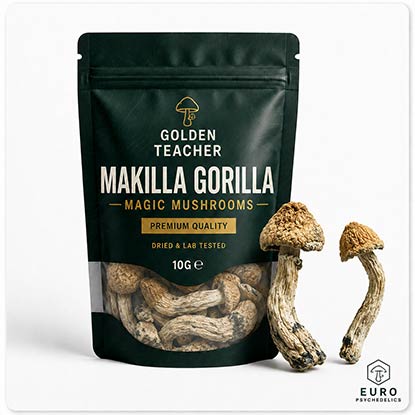
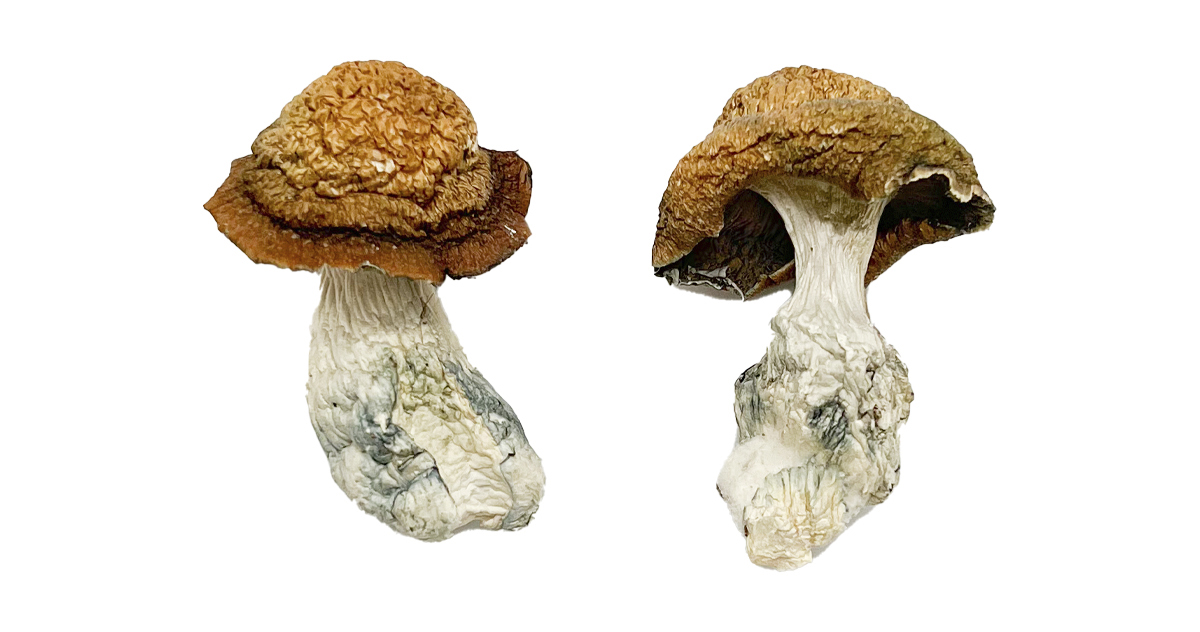

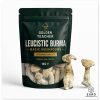
akilla Gorilla Magic Mushrooms: Origins, Characteristics, Taxonomy & European Legal Context
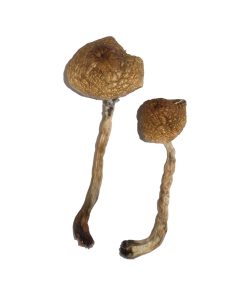
Makilla Gorilla Magic Mushrooms is a name associated with the modern world of psychedelic mushroom culture. Like many names used in online mushroom communities, however, “Makilla Gorilla” should not automatically be interpreted as the formal scientific name of a distinct fungal species.
Scientific taxonomy and popular mushroom terminology serve different purposes. A scientific name identifies an organism according to an established classification system, while cultivar, variety and community names can describe particular lineages, phenotypes or naming traditions.
This distinction is particularly important when discussing mushrooms associated with psilocybin and psilocin. The presence and concentration of naturally occurring compounds cannot reliably be established simply from a strain-style name.
For European readers, there is another important consideration: laws relating to psilocybin-containing mushrooms differ between countries. The European Union Drugs Agency notes that psilocybin and psilocin are internationally controlled substances, while national legislation determines how mushrooms and these compounds are treated in individual European jurisdictions.
What Is Makilla Gorilla?
“Makilla Gorilla” is best treated as a popular cultivar or lineage-style name, rather than a formal scientific species designation.
Names of this type can become established through mushroom communities and online culture, where particular genetic lines or phenotypes may receive distinctive names.
That means the name itself does not necessarily tell us:
- the precise scientific species;
- the verified geographic origin;
- the genetic lineage;
- the chemical composition;
- the concentration of active compounds; or
- the legal status of a specimen.
A scientifically accurate description should therefore distinguish between what is documented and what is simply part of community terminology.
Scientific Taxonomy Versus Strain Names
Scientific mushroom identification normally uses a formal binomial name consisting of genus and species.
For example, Psilocybe cubensis is a recognised fungal species and is one of the species commonly associated with the term “magic mushroom.”
“Makilla Gorilla,” by contrast, is not equivalent to a formal scientific species name.
This difference matters because online mushroom names can sometimes be repeated so frequently that they appear to have scientific status when they do not.
Why accurate terminology matters
A strain-style name may be useful for distinguishing one named lineage from another within a particular community, but it should not be used as evidence of taxonomy.
For an SEO article, phrases such as “Makilla Gorilla mushroom strain” can be discussed as terminology while avoiding unsupported claims about genetics or chemistry.
The Broader Psilocybe Genus
The genus Psilocybe contains numerous fungal species.
Some members of this genus have attracted substantial scientific attention because they can contain naturally occurring psychedelic compounds.
Psilocybe cubensis is among the best-known examples.
Scientific databases such as NCBI provide formal taxonomic information for recognised species, allowing researchers to distinguish scientific classification from informal names.
This broader taxonomic framework is useful when discussing named mushroom varieties because a popular lineage name may sit within a recognised species without itself constituting a separate species.
Psilocybin and Psilocin
Many mushrooms commonly described as “magic mushrooms” are associated with psilocybin and psilocin.
Psilocybin is a naturally occurring psychedelic compound. In the human body, it is metabolised into psilocin, which contributes substantially to the psychedelic effects associated with these substances.
Scientific interest in psilocybin has increased considerably, particularly in neuroscience and psychiatric research.
Researchers have examined questions involving:
- perception;
- consciousness;
- mood;
- brain activity;
- psychotherapy;
- depression;
- anxiety; and
- other areas of mental-health research.
However, scientific research should not be confused with unrestricted personal use or established medical approval.
Can a Name Establish Potency?
No.
A name such as “Makilla Gorilla” cannot, on its own, establish the concentration of psilocybin, psilocin or other compounds in a particular mushroom.
Biological material can vary considerably, and chemical composition may be influenced by factors including genetics, environmental conditions, maturity and storage.
Consequently, claims that a particular named mushroom is automatically “strong,” “weak,” or has a precise chemical profile should be treated cautiously unless supported by appropriate analytical evidence.
This is one reason responsible mushroom information avoids presenting unsupported numerical potency claims as scientific facts.
Mushroom Identification
Correct mushroom identification can be challenging.
Researchers and experienced mycologists may consider multiple characteristics rather than relying on a common name or photograph.
Macroscopic characteristics
These can include:
- cap morphology;
- colour;
- texture;
- stem characteristics;
- gill structure;
- changes during maturation; and
- other visible features.
Microscopic characteristics
Microscopy can reveal features that cannot be reliably observed with the naked eye.
Spore characteristics and other microscopic structures can be particularly useful in fungal identification.
Molecular identification
DNA-based techniques can provide additional evidence when morphology does not provide enough information to distinguish closely related organisms.
For this reason, a popular strain name should never be regarded as equivalent to laboratory-confirmed taxonomy.
The Culture of Named Mushroom Varieties
Named mushroom varieties have become particularly prominent through internet communities.
Distinctive names can arise from:
- historical collections;
- community naming;
- cultivation lineages;
- phenotype selection;
- regional associations;
- informal breeding histories; and
- commercial branding.
Over time, these names can develop strong identities among enthusiasts.
However, the history of an individual named lineage can sometimes be difficult to verify independently.
This creates an important distinction between community history and peer-reviewed scientific taxonomy.
Makilla Gorilla in the Modern Psychedelic Landscape
The popularity of named psychedelic mushrooms exists within a much broader resurgence of interest in psychedelics.
Universities, research institutions and pharmaceutical researchers have increasingly investigated substances such as psilocybin.
The renewed scientific interest is partly connected to research into potential therapeutic applications and improved understanding of psychedelic effects on the brain.
The European Union Drugs Agency has recognised increasing interest in psychedelic substances while also highlighting regulatory and public-health considerations.
This means that the modern discussion surrounding psychedelic mushrooms includes both scientific opportunities and significant regulatory questions.
European Legal Context
The legal status of mushrooms associated with psilocybin is not uniform throughout Europe.
According to EUDA, psilocybin and psilocin are controlled under the 1971 United Nations Convention on Psychotropic Substances. Individual European countries can nevertheless implement different national laws concerning the substances and mushrooms containing them.
Some jurisdictions specifically regulate mushrooms, while others place greater emphasis on the controlled compounds.
Legal considerations can involve:
- possession;
- cultivation;
- preparation;
- importation;
- distribution;
- supply;
- the physical form of the material; and
- the specific substance involved.
Why country-specific information matters
It would therefore be inaccurate to describe Makilla Gorilla, or magic mushrooms generally, as simply “legal” or “illegal in Europe.”
Europe contains multiple national legal systems.
A person researching the subject should consult the current legislation and competent authority for their specific country rather than relying on a general statement about European law.
Scientific Research Versus Personal Use
One of the most important distinctions in contemporary psychedelic discussions is the difference between controlled scientific research and personal use.
Clinical research takes place under defined conditions involving research protocols, participant screening, ethical oversight and professional supervision.
Research findings cannot automatically be applied to uncontrolled circumstances.
EUDA has also highlighted concerns surrounding unregulated psychedelic practices and their potential risks.
The fact that researchers are investigating psilocybin does not mean that every form of mushroom use is safe, legal or medically appropriate.
Health Considerations
Psychedelic mushrooms can significantly alter perception, cognition and mood.
Responses can differ between individuals, and unexpected psychological experiences may occur.
Potential concerns include:
- anxiety;
- confusion;
- impaired judgement;
- psychological distress;
- unpredictable reactions; and
- interactions with other substances.
Mushroom identification is another important concern. Some fungi can resemble other species, and visual identification alone may be unreliable.
Anyone with questions concerning mental health, medications or possible interactions should consult a qualified healthcare professional.
Why Geographic and Cultivar Names Should Be Treated Carefully
“Makilla Gorilla” illustrates a wider issue in modern mushroom terminology.
A name can tell us something about how a community categorises a particular lineage, but it does not necessarily establish biological facts.
A scientifically responsible description should separate:
Name — what the mushroom is commonly called.
Taxonomy — the formally recognised biological classification.
Genetics — evidence concerning lineage or relatedness.
Chemistry — laboratory evidence concerning compounds.
Legality — applicable national legislation.
These categories should not be treated as interchangeable.
Makilla Gorilla Magic Mushrooms: An Informational Summary
Makilla Gorilla is best discussed as a popular named mushroom lineage within modern psychedelic mushroom culture, rather than automatically describing it as a scientifically recognised species.
The broader subject connects mycology with taxonomy, chemistry, neuroscience, cultural history and European drug policy.
For readers interested in the scientific side, recognised taxonomic databases and peer-reviewed research are more reliable than informal strain descriptions.
For readers in Europe, legal information should always be considered on a country-by-country basis, since national regulations can differ and may change.
Understanding the difference between popular terminology and scientific evidence is ultimately the best way to approach named psychedelic mushrooms responsibly.
Frequently Asked Questions
1. What are Makilla Gorilla Magic Mushrooms?
Makilla Gorilla is a popular name associated with psychedelic mushroom culture. It should be treated as a cultivar, lineage or community-style designation rather than automatically as the formal scientific name of a separate mushroom species.
2. Is Makilla Gorilla a scientific mushroom species?
No established scientific species should be inferred from the name alone. Scientific identification requires appropriate taxonomic evidence, and a popular lineage name does not replace formal species classification.
3. Is Makilla Gorilla the same as Psilocybe cubensis?
The name alone does not provide sufficient evidence to make that determination. Psilocybe cubensis is a recognised scientific species, while Makilla Gorilla is a popular lineage-style name. Reliable identification requires appropriate evidence.
4. Does the Makilla Gorilla name indicate a specific potency?
No. A cultivar or community name cannot reliably establish the concentration of psilocybin or psilocin in biological material. Chemical composition requires appropriate analytical evidence.
5. Are Makilla Gorilla Magic Mushrooms legal in Europe?
There is no single European-wide answer. EUDA explains that national laws differ concerning psilocybin, psilocin and mushrooms containing these substances. The relevant country’s current legislation should always be checked.
6. Why are named mushroom varieties difficult to research scientifically?
Many popular names originate within communities rather than formal scientific taxonomy. Their histories, genetics and characteristics may therefore not have the same level of independent documentation available for formally recognised species.
| Quantity | 14grams, Oz, Qp, Hp, 1p |
|---|
Be the first to review “Makilla Gorilla Magic Mushrooms”
Related products
Magic Mushrooms
Magic Mushrooms
Magic Mushrooms
Magic Mushrooms
Magic Mushrooms
Magic Mushrooms
Magic Mushrooms
Magic Mushrooms
Reviews
There are no reviews yet.