
Psilocybe Aztecorum Magic Mushrooms: Origins, Rare Morphology, Potency, and Cultivation
Introduction and Geographic Origins
When exploring the vast taxonomy of the genus Psilocybe, most enthusiasts immediately think of Psilocybe cubensis. However, the natural world of psilocybin-producing fungi contains dozens of rare, highly specialized wild species. Among the most culturally and historically significant of these is Psilocybe aztecorum.
Native to the high-altitude mountainous regions of Mexico—particularly growing amidst decomposing wood in coniferous forests near Popocatépetl and the Sierra Nevada—this species holds deep roots in Mesoamerican history. Many ethnobotanists and mycologists believe P. aztecorum is closely tied to the ancient Aztec sacred mushroom known as tzierico or nanacatl. Unlike tropical species that prefer open cow pastures, P. aztecorum is a lignicolous (wood-loving) fungus, making its ecological niche, physical traits, and cultivation requirements drastically different from standard commercial magic mushrooms.
Botanical Morphology and Unique Visual Phenotypes of Psilocybe Aztecorum Magic Mushrooms
Psilocybe aztecorum displays a striking and unusual appearance that easily distinguishes it from standard agricultural cubensis strains. Its physical architecture is tightly adapted to damp, high-altitude forest floors.
Key Structural Characteristics
-
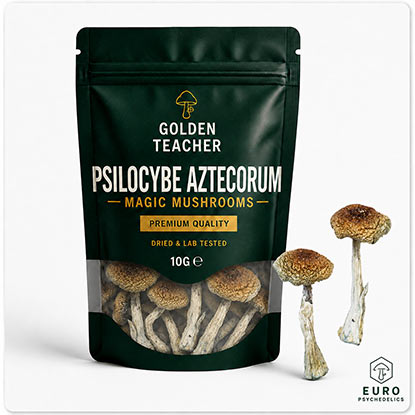
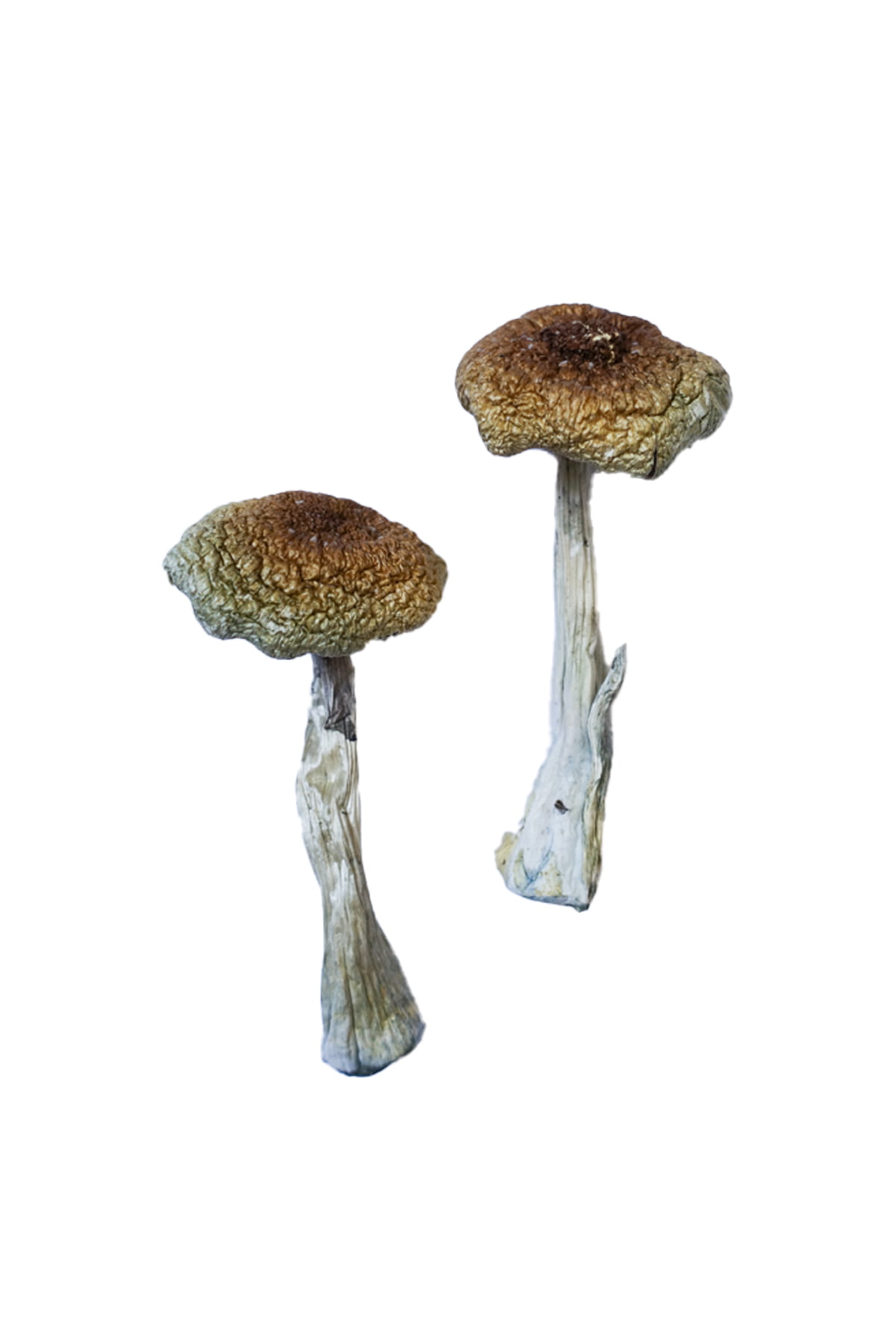
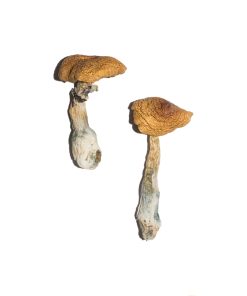
Cap Formation: Initially convex or conic before expanding to broadly convex or flat, often featuring a distinct, prominent umbo (central nipple) at the apex. The color ranges from a deep chestnut brown when wet, fading to a pale straw-yellow or silvery-white as it dries (hygrophanous nature).
-
Stipe Structure: The stems are relatively long, slender, and tough, colored whitish to pale brownish, and often densely covered in fine fibrils toward the base.
-
Oxidation and Bruising: When handled, damaged, or cut, the flesh reacts with a deep, intense blue-indigo bruising color, signaling high concentrations of active tryptamines.
-
Spore Production: Produces heavy, dark purplish-brown to blackish-brown spore prints with uniquely shaped spores, requiring specialized laboratory equipment for detailed taxonomic study.
Chemical Profile and Potency Expectations
Because Psilocybe aztecorum is a wild wood-loving species rather than a domesticated pasture dweller, its chemical composition is notably potent.
Alkaloid Distribution and Impact
-
Potency Classification: Categorized as a high-potency wild species, significantly stronger than standard Psilocybe cubensis varieties.
-
Dry Weight Concentration: Total active tryptamines (including high concentrations of psilocybin, psilocin, and baeocystin) can measure well above baseline commercial averages, making wild-foraged specimens famously potent in historical accounts.
-
The Experience Profile: Indigenous and modern ethnobotanical reports emphasize that wood-loving species like P. aztecorum deliver an intense, deeply visionary, and emotionally profound journey, characterized by rich visual geometry and powerful somatic engagement.
Cultivation Dynamics and Ecological Preferences
Unlike resilient pasture strains that readily colonize simple grain and coco coir substrates, Psilocybe aztecorum is notoriously difficult to cultivate indoors. Because it is a wood-rotting fungus native to high altitudes, replicating its wild environment requires advanced mycology expertise.
Essential Ecological Requirements
-
Substrate Requirements: P. aztecorum requires lignin-rich substrates, such as sterilized hardwood sawdust, wood chips, and small twigs, rather than simple agricultural grains or dung.
-
Environmental Triggers: Fruiting typically demands specific temperature drops, high humidity, and simulated high-altitude air exchange that mimics alpine coniferous forests.
-
Domestication Challenges: Due to its specialized wild genetics, it is rarely grown successfully by commercial hobbyists and remains primarily a subject of advanced academic research and wild field study.
Frequently Asked Questions
What is the historical significance of Psilocybe aztecorum?
Ethnobotanical research suggests that P. aztecorum is one of the sacred mushrooms historically utilized by the Aztec civilization in religious and healing rituals, referred to anciently as nanacatl.
Where does Psilocybe aztecorum grow in the wild?
It is native to the high-altitude mountainous regions of Mexico, typically found fruiting gregariously on decaying wood, twigs, and forest litter in coniferous forests, particularly around the Valley of Mexico.
How potent is Psilocybe aztecorum compared to cubensis?
P. aztecorum is classified as a high-potency wild species. It is significantly stronger by dry weight than standard baseline Psilocybe cubensis strains due to its concentrated tryptamine profile.
Can Psilocybe aztecorum be easily cultivated indoors?
No. Because it is a specialized wood-loving (lignicolous) species native to high altitudes, it requires complex wood-based substrates and precise environmental controls, making it exceptionally difficult to cultivate outside of advanced laboratory settings.
What do Psilocybe aztecorum mushrooms look like?
They feature conic-to-convex caps with a distinct central nipple (umbo) that shift from deep brown when wet to pale straw-yellow when dry, supported by slender stems and a deep blue bruising reaction.
What active compounds are found in this species?
Like other potent psilocybin mushrooms, its primary active agents are psilocybin and psilocin, backed by supportive trace alkaloids such as baeocystin.
| Quantity | 14grams, Oz, Qp, Hp, 1p |
|---|
Be the first to review “Psilocybe Aztecorum Magic Mushrooms”
Related products
Magic Mushrooms
Magic Mushrooms
Magic Mushrooms
Magic Mushrooms
Magic Mushrooms
Magic Mushrooms
Magic Mushrooms
Magic Mushrooms
Reviews
There are no reviews yet.