
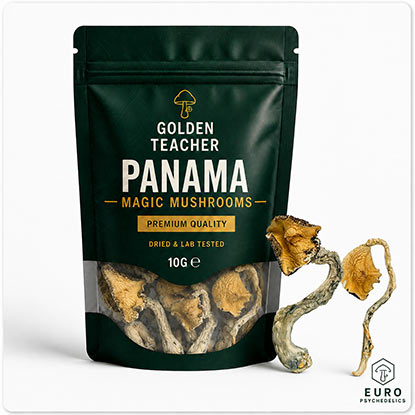
Panama Magic Mushrooms: Origins, Morphology, Potency, and Cultivation
Introduction and Geographic Origins
The diverse global landscape of Psilocybe cubensis includes several remarkable regional landraces discovered across Central and South America. Among these, the Panama magic mushroom stands out as a fascinating tropical isolate. Originally found thriving in the warm, humid pastures and dense jungles of Central America, this strain represents a true equatorial phenotype adapted to year-round warmth and high precipitation.
When wild specimens were first gathered and brought into the broader mycology community, they gained immediate attention for their vigorous tropical growth traits and reliable multi-flush yields. For researchers, ethnobotanists, and hobbyists exploring fungal biodiversity, understanding the Central American provenance of the Panama strain offers valuable insight into how equatorial microclimates shape the morphology and metabolic profile of psilocybin-producing fungi.
Botanical Morphology and Visual Phenotypes
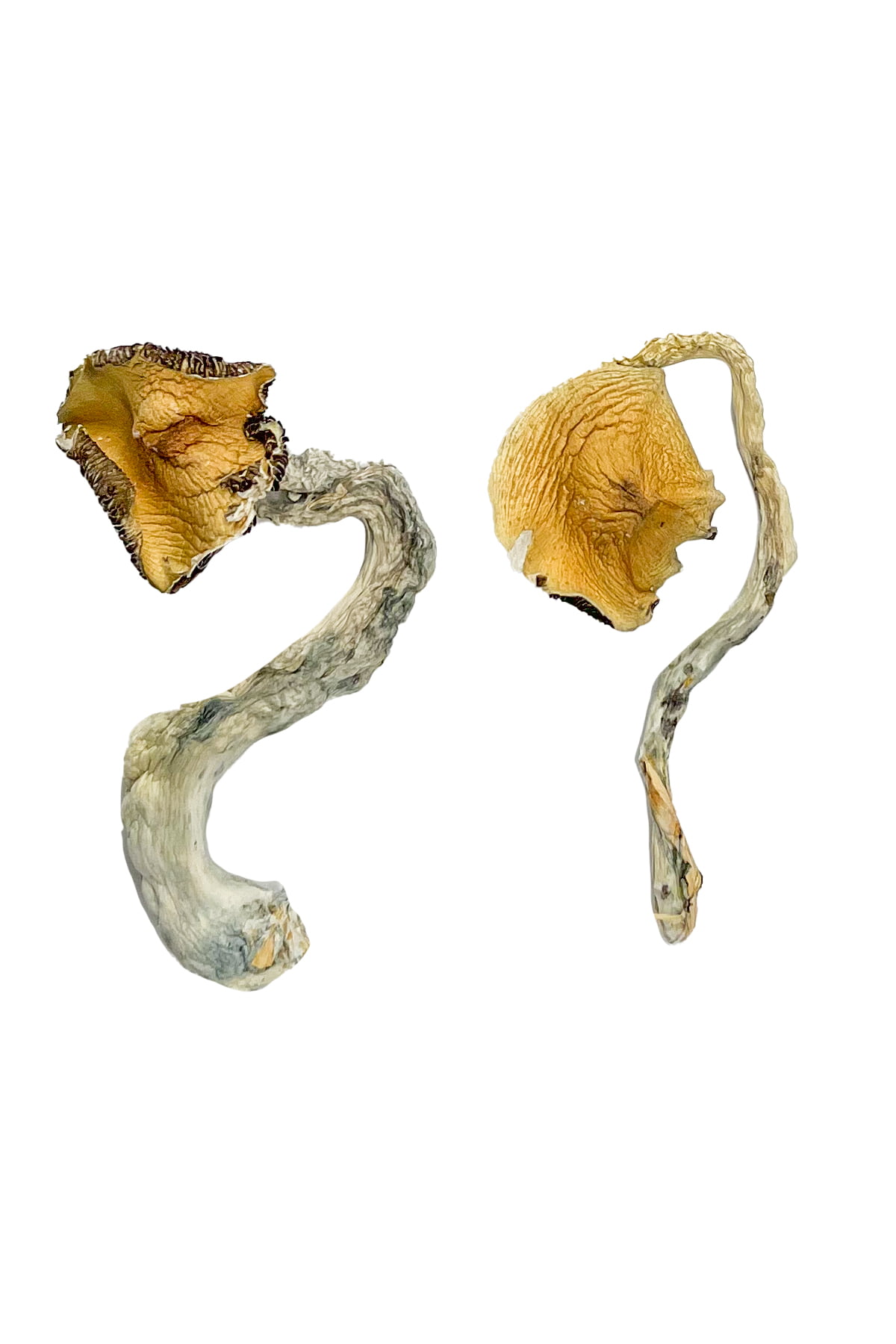
Panama magic mushrooms display classic Psilocybe cubensis architecture while exhibiting specific visual characteristics influenced by their tropical heritage.
Key Structural Characteristics
-
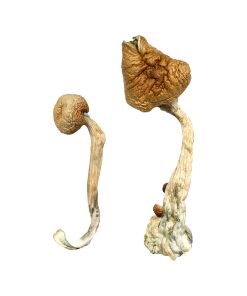
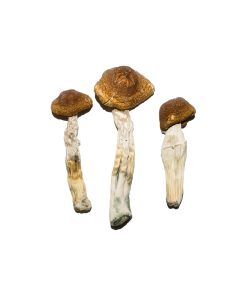
Cap Formation and Coloration: Caps typically emerge in a deep chestnut or caramel brown during the early pin stage, expanding into broad, convex-to-flat shapes measuring 5 to 8 centimeters across. As they mature, the caps fade to a warm golden-honey or pale tan tone, occasionally featuring a smooth surface texture.
-
Stipe Structure: The stems are robust, fibrous, and whitish-yellow, reaching substantial heights when grown with adequate vertical clearance in a controlled fruiting chamber.
-
Oxidation and Bruising: When handled, cut, or harvested, the dense flesh reacts with a deep, dark blue-indigo bruising pattern, signaling the rapid oxidation of concentrated psilocybin compounds.
-
Spore Production: Produces heavy, dark purplish-brown spore deposits with high germination viability under sterile laboratory conditions, making it an excellent candidate for microscopic examination.
Chemical Profile and Potency Expectations
Like all true Psilocybe cubensis varieties, the psychoactive profile of Panama magic mushrooms is driven by the primary tryptamines psilocybin and psilocin, supported by trace auxiliary compounds like baeocystin.
Alkaloid Distribution and Impact
-
Potency Classification: Categorized as a moderate potency strain, aligning closely with classic baseline commercial varieties like Golden Teacher and Escondido.
-
Dry Weight Concentration: Total active tryptamines generally range between 0.5% and 0.9% by dry weight, though exact levels fluctuate based on substrate nutrition and harvest timing.
-
The Experience Profile: Ethnobotanical community reports describe the Panama strain as delivering a balanced, clear-headed journey characterized by vibrant visual patterns, warm somatic euphoria, and smooth philosophical introspection.
Cultivation Dynamics and Growth Preferences
Originating from the tropical climate of Central America, the Panama strain is naturally adapted to high humidity levels and warm temperatures. In controlled research settings, it exhibits aggressive colonization rates and impressive environmental resilience.
Essential Cultivation Guidelines
-
Colonization Vigor: The mycelium demonstrates aggressive rhizomorphic and tomentose growth, colonizing grain spawn (such as rye, millet, or wild bird seed) rapidly while building a strong natural defense against competing molds.
-
Substrate Preferences: This strain thrives on standard bulk substrates, performing exceptionally well in coco coir-vermiculite (CVG) mixtures and pasteurized manure blends.
-
Environmental Controls: Optimal mycelial colonization occurs between 24°C and 27°C (73°F to 78°F). During the fruiting phase, maintaining a relative humidity of 90% to 95% alongside steady, reliable fresh air exchange (FAE) ensures robust canopy development.
-
Yield Performance: Known for producing heavy, multi-flush yields, Panama rewards growers with consistent harvests across four to five successive flushes before exhaustion.
Frequently Asked Questions
Where did Panama magic mushrooms originate?
The strain derives its lineage from wild Psilocybe cubensis specimens originally discovered and isolated in the warm, humid pastures and tropical lowlands of Panama in Central America.
What is the typical potency level of Panama mushrooms?
Panama is classified as a moderate potency strain. Total active psilocybin and psilocin content generally measures between 0.5% and 0.9% by dry weight, placing it on par with classic baseline commercial varieties.
How do Panama mushrooms look compared to other strains?
They display classic Psilocybe cubensis morphology, featuring deep caramel-to-golden caps, robust fibrous whitish stems, and a prominent dark blue bruising reaction when the flesh is compressed or damaged.
Are Panama mushrooms difficult for beginners to cultivate?
No. Because of their aggressive rhizomorphic colonization rates and natural hardiness inherited from tropical Central American climates, they are considered exceptionally forgiving and suitable for beginner-to-intermediate cultivators.
What substrates work best for growing Panama?
They perform exceptionally well on standard bulk substrates, including coco coir and vermiculite (CVG) blends, sterilized whole-grain spawn, and pasteurized manure-based compost formulations.
What active compounds are found in Panama mushrooms?
The primary active compounds are psilocybin and psilocin, accompanied by trace amounts of secondary supporting alkaloids such as baeocystin and norbaeocystin.
| Quantity | 14grams, Oz, Qp, Hp, 1p |
|---|
Be the first to review “Panama Magic Mushrooms”
Related products
Magic Mushrooms
Magic Mushrooms
Magic Mushrooms
Magic Mushrooms
Magic Mushrooms
Magic Mushrooms
Magic Mushrooms
Magic Mushrooms
Reviews
There are no reviews yet.