
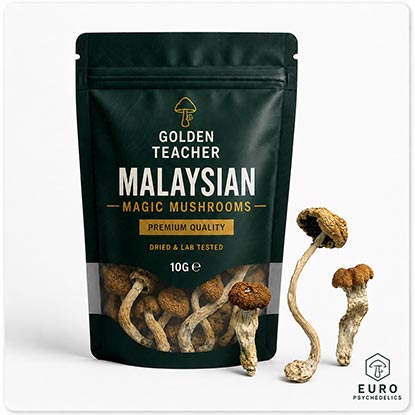
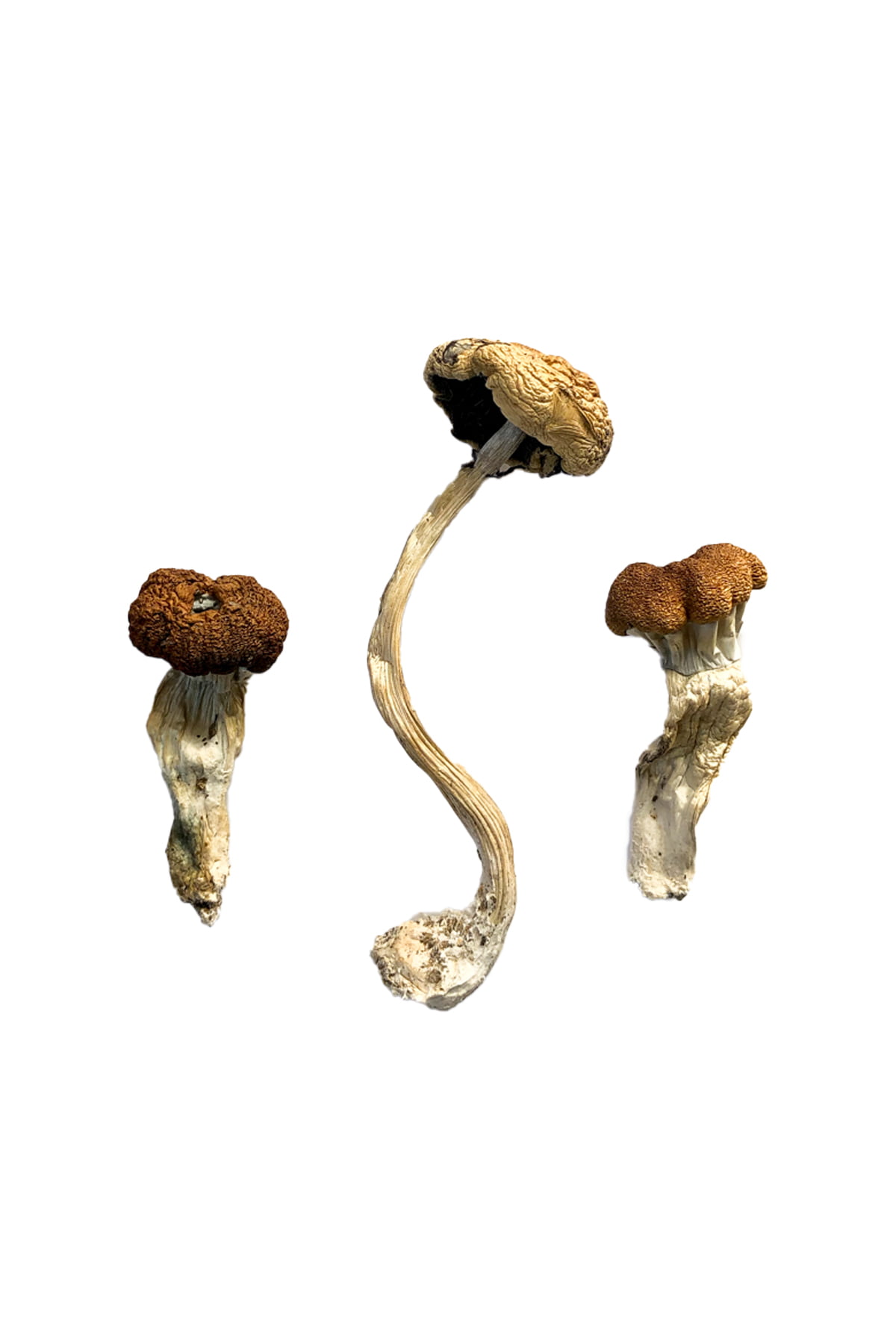
Malaysian Magic Mushrooms: Species, Origins, Characteristics & European Legal Context
The phrase “Malaysian Magic Mushrooms” is commonly used as a geographic or commercial label rather than as the scientific name of one clearly defined mushroom species. From a mycological perspective, mushroom identification depends on characteristics such as taxonomy, morphology, habitat, microscopic features and, increasingly, DNA-based analysis. A geographic label alone is therefore not enough to establish the identity or chemical profile of a particular specimen.
One species frequently associated with the broader discussion of magic mushrooms is Psilocybe cubensis, a recognised species within the fungal kingdom. NCBI lists Psilocybe cubensis as a species of basidiomycete fungus and records “magic mushroom” among its common names.
Malaysia is also home to a diverse fungal environment. The country’s tropical climate, forests, grasslands and agricultural landscapes provide habitats for numerous fungi. Malaysia’s national biodiversity information system, MyBIS, records multiple species within and around the Psilocybe genus, including Psilocybe eximia, with records associated with Pahang.
Understanding what is meant by “Malaysian Magic Mushrooms” therefore requires separating popular terminology from scientific taxonomy.
What Are Malaysian Magic Mushrooms?
“Malaysian Magic Mushrooms” generally refers to mushrooms associated with Malaysia that are discussed in connection with naturally occurring psychedelic compounds, particularly psilocybin and psilocin.
However, the name should not automatically be interpreted as a formal species designation.
Scientific mushroom names are much more precise. For example, Psilocybe cubensis identifies a particular species, whereas a name such as “Malaysian Magic Mushrooms” may refer to mushrooms based on their supposed geographic origin, appearance or commercial naming convention.
This distinction matters because mushrooms can look remarkably similar while belonging to different species. Conversely, specimens belonging to the same species can vary in appearance depending on environmental conditions.
For readers in Europe, this is particularly important because a product or specimen labelled with a geographic name should not be assumed to have a uniform chemical composition or legal classification.
Scientific names versus popular names
The scientific naming system provides a common language for researchers and mycologists.
Psilocybe cubensis, for example, has a formal taxonomic position and a recognised scientific name. NCBI gives it the taxonomy ID 181762 and places it within the fungal lineage leading to the genus Psilocybe.
A popular name such as “magic mushrooms” is much broader. It can refer to numerous mushroom species capable of containing psychoactive compounds.
Consequently, the term “Malaysian Magic Mushrooms” should be treated as a descriptive label rather than definitive scientific identification.
Malaysian Fungal Diversity
Malaysia provides an especially interesting environment for studying fungi because of its tropical biodiversity.
Warm temperatures, high humidity and substantial rainfall create conditions favourable to a wide variety of fungal organisms. Forest ecosystems contain fungi involved in decomposition, nutrient cycling, plant relationships and other ecological processes.
Malaysia’s biodiversity records demonstrate that Psilocybe is not simply a single-species concept in the region. MyBIS, Malaysia’s biodiversity information platform, contains records for Psilocybe eximia from Pahang and also lists other Psilocybe-related records.
This illustrates why geographic labels can be misleading. Malaysia can be associated with several fungal species rather than one universally defined “Malaysian mushroom.”
Tropical ecosystems and mushrooms
Fungi play fundamental ecological roles in tropical environments.
Many species contribute to the decomposition of organic material, returning nutrients to soil and supporting broader ecosystem cycles. Others interact with plants or other organisms in highly specialised relationships.
Psychoactive fungi are therefore only one small part of a much larger fungal ecosystem.
From a scientific perspective, studying these organisms involves much more than their psychoactive properties. Researchers may investigate:
- taxonomy;
- evolutionary relationships;
- geographical distribution;
- ecology;
- morphology;
- genetics;
- secondary metabolites;
- interactions with other organisms; and
- conservation.
This broader perspective helps place “magic mushrooms” within the context of mycology rather than treating them solely as recreational substances.
Psilocybe cubensis and the Magic Mushroom Family
One of the best-known species associated with the term magic mushroom is Psilocybe cubensis.
NCBI recognises Psilocybe cubensis as the current scientific name and lists “magic mushroom” as a common name.
The species belongs to the fungal kingdom and is classified among the basidiomycete fungi.
It is important, however, not to assume that every mushroom marketed or described as “Malaysian” belongs to P. cubensis.
A geographic label does not replace taxonomic identification.
Why taxonomy matters
Correct identification is particularly important with mushrooms because appearance alone can be unreliable.
Different fungal species may share characteristics such as:
- similar cap shapes;
- comparable coloration;
- similar stem structures;
- overlapping habitats; or
- changes in appearance as the mushroom matures.
Professional mycology therefore relies on multiple characteristics rather than a single visual feature.
Modern fungal research may additionally use molecular methods to distinguish closely related species.
Psilocybin and Psilocin
The term “magic mushroom” generally refers to fungi containing psychoactive compounds, especially psilocybin and psilocin.
These compounds belong to a broader group of substances known as psychedelics.
After entering the body, psilocybin is converted into psilocin, which is the compound more directly associated with the psychedelic effects. Research into these substances has expanded considerably, particularly in relation to neuroscience and potential therapeutic applications.
However, scientific interest should not be confused with established medical approval.
The European Union Drugs Agency notes that psilocybin and psilocin are controlled under Schedule I of the United Nations 1971 Convention on Psychotropic Substances.
Why effects can vary
The effects associated with psychedelic mushrooms can vary considerably.
Factors can include:
- the species involved;
- individual mushroom chemistry;
- physiological differences between people;
- environmental conditions;
- interactions with other substances;
- psychological state; and
- surrounding environment.
This variability is one reason why scientific identification and controlled research are important.
It also means that a mushroom’s popular name cannot reliably communicate its chemical characteristics.
Malaysian Origins and the Importance of Geography
The word “Malaysian” implies geographic origin, but geography alone does not establish biological identity.
A mushroom found in Malaysia could belong to one species, while another mushroom from a different region could belong to the same species.
Fungal distributions can cross political borders because biological ecosystems do not follow national boundaries.
Malaysia’s MyBIS database provides a useful illustration. Its records include Psilocybe eximia, with a documented location in Pahang based on publications, specimens and images.
This demonstrates that scientific records can establish a connection between particular fungal species and Malaysian locations, but it does not mean that every mushroom described as Malaysian belongs to that species.
For SEO and educational purposes, this distinction is valuable because it makes the subject more scientifically accurate.
Identification Requires More Than Appearance
One of the biggest misconceptions surrounding mushrooms is that species can always be identified confidently from photographs.
In reality, fungal identification can be challenging.
Experts may examine:
Macroscopic characteristics
These can include:
- cap morphology;
- colour;
- surface texture;
- stem characteristics;
- gill arrangement;
- spore print characteristics; and
- changes that occur with age.
Microscopic characteristics
Microscopy can reveal structures that are invisible to the naked eye, including spores and other reproductive features.
Molecular characteristics
DNA sequencing and other molecular approaches can provide additional evidence when morphology alone is insufficient.
This is particularly relevant to Psilocybe and related genera because accurate identification can require specialist knowledge.
For that reason, a common or commercial name should never be treated as a substitute for verified taxonomic identification.
Malaysian Magic Mushrooms and European Interest
Interest in psychedelic mushrooms has increased across Europe alongside growing public discussion of psychedelic research.
The European Union Drugs Agency has highlighted increasing scientific and public interest in psychedelic substances and their potential therapeutic applications.
Researchers have investigated psilocybin in areas including depression and other psychiatric conditions, but clinical research should be distinguished from unregulated personal use.
EUDA has also highlighted concerns surrounding unregulated or illegal psychedelic practices in Europe.
The scientific landscape is therefore developing, while the regulatory landscape remains complex.
European Legal Status of Magic Mushrooms
There is no single European law that gives one universal legal status to magic mushrooms.
This is one of the most important points for anyone researching the subject from Europe.
EUDA explains that psilocybin and psilocin are internationally controlled, but national approaches to mushrooms containing these compounds vary significantly between European countries. Some countries specifically control the mushrooms themselves, while others regulate the substances they contain.
In some jurisdictions, legislation may distinguish between different forms or circumstances. In others, possession, cultivation, preparation or supply can be subject to separate rules.
This makes broad statements such as “magic mushrooms are legal in Europe” or “magic mushrooms are illegal everywhere in Europe” misleading.
Why European laws are complicated
European countries have developed their own national drug-control frameworks within the broader international system.
As a result, legal treatment can depend on:
- the country;
- the specific mushroom;
- the chemical substance involved;
- whether the mushroom is fresh or processed;
- possession;
- cultivation;
- supply;
- importation;
- intended use; and
- other circumstances defined by national law.
EUDA specifically notes that interpretations can differ and that legislation can be complex.
Anyone dealing with a controlled substance should therefore consult the competent authority and current legislation in the relevant country rather than relying on a general European statement.
Research Versus Recreational Use
Another important distinction is between scientific research and recreational or unregulated use.
Researchers investigating psilocybin operate within controlled scientific and ethical frameworks. Clinical studies involve defined protocols, screening procedures and professional oversight.
That does not mean that research findings automatically establish that unsupervised use is safe.
EUDA reports continuing research into psychedelic substances while also noting concerns surrounding unregulated psychedelic practices.
The growing scientific interest in psychedelics should therefore be understood as an evolving area of research rather than proof that psychedelic mushrooms are universally safe or medically approved.
Health and Risk Considerations
Psychedelic mushrooms can produce powerful alterations in perception, mood, cognition and sense of time.
Potential experiences can vary substantially from person to person.
Unwanted psychological reactions may occur, particularly when someone is anxious, inexperienced or in an unpredictable environment.
There can also be risks associated with mushroom misidentification. Wild mushrooms include species that can cause serious poisoning, and visual similarity between fungi makes informal identification unreliable.
For these reasons, information about mushroom taxonomy should be separated from instructions for personal experimentation.
People with concerns about mental health, medication interactions or other medical issues should speak with an appropriately qualified healthcare professional.
Malaysia’s Regulatory Environment
The legal context in Malaysia is also important when discussing mushrooms associated with psychoactive compounds.
Malaysia’s Ministry of Health states that the Poisons Act 1952 regulates activities including importation, possession, manufacture, storage, transportation, sale and use of substances covered by the legislation. The Ministry also publishes the country’s regulations concerning psychotropic substances.
Malaysia also maintains a separate framework under the Dangerous Drugs Act 1952. The Ministry of Health provides the relevant legislation and regulations through its Pharmaceutical Services Programme.
The precise application of Malaysian law depends on the substance and circumstances, so general mushroom terminology should not be interpreted as a statement that a particular mushroom or preparation is legally permitted.
Why Scientific Sources Matter
Online information about magic mushrooms often mixes scientific terminology with informal names.
A stronger approach is to compare claims against authoritative databases and government or scientific sources.
For taxonomy, resources such as NCBI and national biodiversity databases can provide useful starting points. NCBI, for example, provides a recognised taxonomic record for Psilocybe cubensis.
For Malaysian biodiversity, MyBIS provides species records supported by publications, specimens and images.
For European drug policy, EUDA provides an especially useful overview of the differences between national approaches.
Using these sources helps avoid one of the most common problems with psychedelic-mushroom content: presenting an informal strain or location name as though it were a scientifically established species.
Malaysian Magic Mushrooms: A Scientific Perspective
Ultimately, “Malaysian Magic Mushrooms” is best understood as a descriptive term connected with Malaysian-origin or Malaysian-associated psychedelic mushrooms, rather than as a single scientific species.
The subject sits at the intersection of:
- tropical fungal biodiversity;
- taxonomy;
- ethnomycology;
- natural-product chemistry;
- neuroscience;
- psychedelic research;
- public health; and
- national drug legislation.
The scientific picture is considerably more nuanced than the popular terminology suggests.
A responsible understanding begins with taxonomy: identify the organism before making assumptions about it. From there, chemical composition, ecological context and legal status can be considered separately.
For European readers, the legal dimension is particularly important. EUDA confirms that national laws differ and can change, meaning that information about another European country cannot automatically be applied to one’s own jurisdiction.
The most reliable approach is therefore to treat “Malaysian Magic Mushrooms” as a subject for mycological, scientific and legal education, rather than assuming that a popular name provides definitive information about species, chemistry or legality.
Frequently Asked Questions
1. What are Malaysian Magic Mushrooms?
“Malaysian Magic Mushrooms” is a common descriptive term rather than a universally recognised scientific species name. It can refer to mushrooms associated with Malaysia that are discussed in connection with naturally occurring psychedelic compounds. Different species may be involved, so the geographic label alone does not establish taxonomic identity.
2. Is Psilocybe cubensis a Malaysian mushroom?
Psilocybe cubensis is a recognised fungal species and is commonly associated with the term “magic mushroom.” However, “Malaysian Magic Mushrooms” should not automatically be equated with P. cubensis. Scientific identification requires evidence beyond a geographic or commercial name.
3. Are there Psilocybe species recorded in Malaysia?
Yes. Malaysia’s national biodiversity database includes records for Psilocybe eximia, with a location record in Pahang, and lists other Psilocybe-related species.
4. Are Malaysian Magic Mushrooms legal in Europe?
There is no single answer for all of Europe. EUDA states that national approaches to psilocybin- and psilocin-containing mushrooms differ between European countries. Anyone researching legality should check the current legislation and competent authority in the specific country concerned.
5. Why is mushroom identification important?
Different fungal species can have similar physical characteristics, while chemical composition can also vary. Accurate identification may require specialist examination, microscopy or molecular analysis. A common name or geographic label is therefore not sufficient to establish a mushroom’s scientific identity.
6. Is psilocybin being researched in Europe?
Yes. Psychedelic substances, including psilocybin, are being investigated in clinical and scientific research. EUDA notes growing research interest but also stresses that national regulation differs and that unregulated psychedelic practices present concerns.
| Quantity | 14grams, Oz, Qp, Hp, 1p |
|---|
Be the first to review “Malaysian Magic Mushrooms”
Related products
Magic Mushrooms
Magic Mushrooms
Magic Mushrooms
Magic Mushrooms
Magic Mushrooms
Magic Mushrooms
Magic Mushrooms
Magic Mushrooms
Reviews
There are no reviews yet.