
Tri-Colour Ecuadorian Magic Mushrooms: Origins, Morphology, Potency, and Cultivation
Introduction and Geographic Origins
The study of Psilocybe cubensis landraces and regional strains often reveals fascinating adaptations to diverse ecological conditions. Among the unique geographic isolates found in South America, Ecuadorian strains have long held a respected place within mycology communities. The Tri-Colour Ecuadorian magic mushroom is a specialized variant that traces its roots back to the high-altitude cloud forests and fertile valleys of Ecuador.
When wild specimens were originally gathered and stabilized by researchers, they demonstrated a remarkable ability to adapt from tropical microclimates to controlled indoor environments. The designation “Tri-Colour” highlights the distinct color variations that frequently appear across the cap, stem, and bruising tissues during different stages of maturity. For cultivators, researchers, and ethnobotanists, understanding the genetic background of this variant offers insight into how high-altitude equatorial genetics influence both physical presentation and environmental hardiness.
Botanical Morphology and Visual Phenotypes of Tri-Colour Ecuadorian Magic Mushrooms
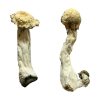
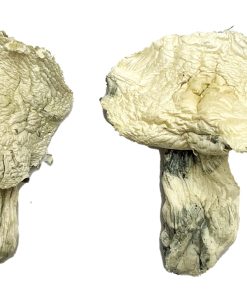
Tri-Colour Ecuadorian mushrooms display classic Psilocybe cubensis architecture while exhibiting distinctive coloration patterns that set them apart from standard golden-cap varieties.
Key Structural Characteristics
-
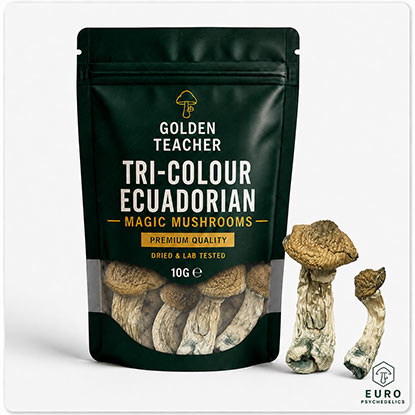
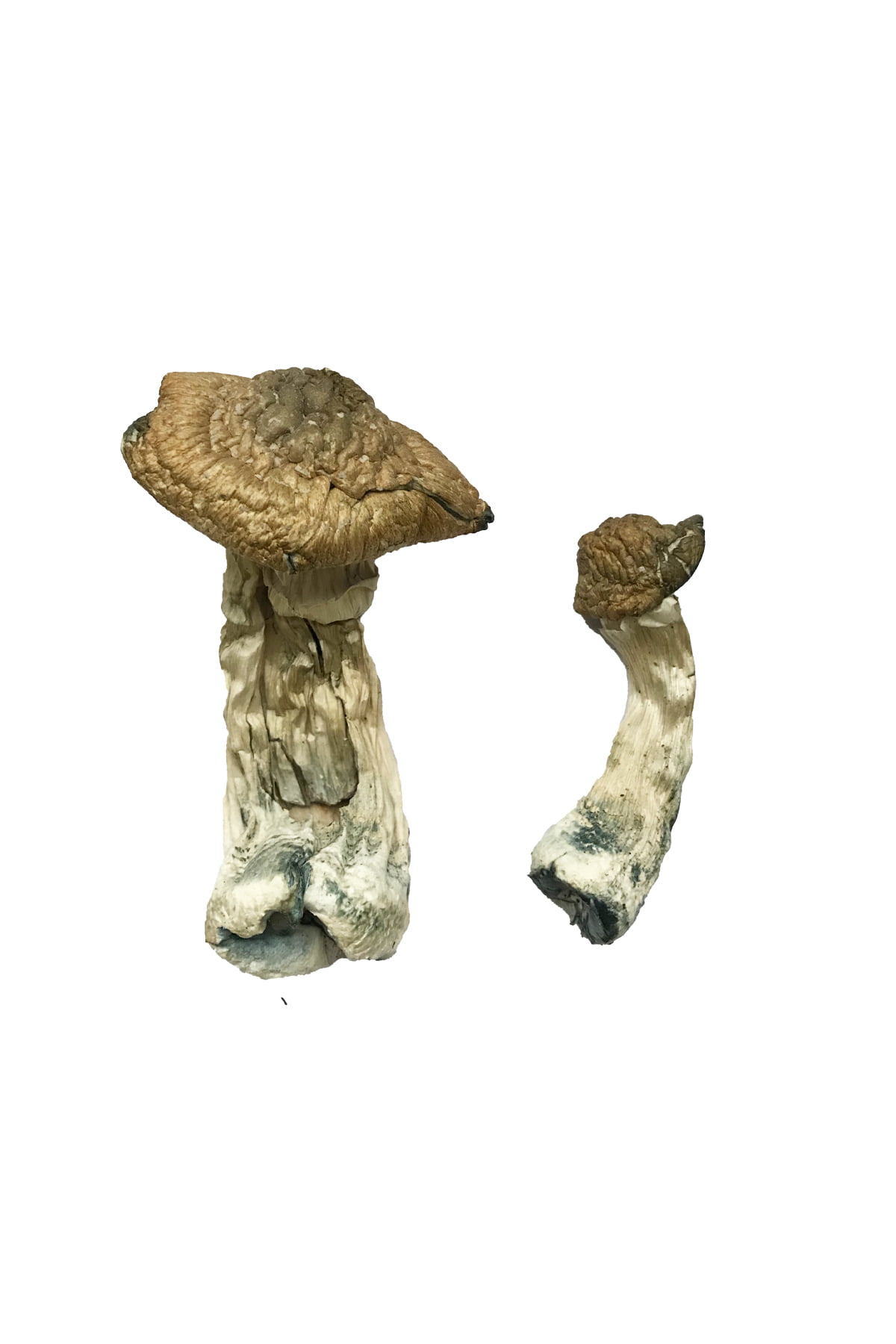
Cap Evolution and Coloration: In the early pin stage, caps emerge as deep caramel or chestnut brown before expanding into broad, convex-to-flat shapes measuring 5 to 8 centimeters across. As they mature, the caps develop a striking multi-toned appearance—featuring a dark bronze center, a golden-honey midsection, and pale cream margins, inspiring the “tri-colour” moniker.
-
Stipe Structure: The stems are thick, robust, and fibrous, typically presenting a whitish-yellow hue that can develop silvery or brownish streaks as the fruit body reaches full size.
-
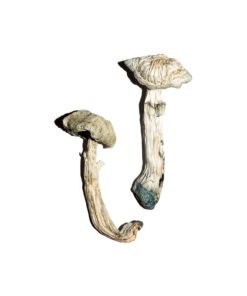
Oxidation and Bruising: When handled, cut, or harvested, the dense flesh reacts with a deep, dark blue-indigo bruising pattern, indicating a high concentration of oxidizing psilocybin compounds.
-
Spore Deposition: Produces heavy, dark purplish-brown spore prints with high germination viability under sterile laboratory conditions, making it an excellent candidate for microscopic examination.
Chemical Profile and Potency Expectations
Like all true Psilocybe cubensis strains, the psychoactive profile of Tri-Colour Ecuadorian mushrooms is governed by the tryptamines psilocybin and psilocin, supported by trace secondary alkaloids like baeocystin.
Alkaloid Distribution and Impact
-
Potency Classification: Categorized as a moderate-to-high potency strain, sitting comfortably above standard baseline varieties like Golden Teacher.
-
Dry Weight Concentration: Total active tryptamines generally range between 0.7% and 1.1% by dry weight, though exact levels vary depending on substrate nutrient quality and harvest timing.
-
The Experience Profile: Ethnobotanical community reports suggest that Ecuadorian strains frequently produce a grounded, clear-headed journey characterized by enhanced visual acuity, deep philosophical introspection, and balanced somatic warmth.
Cultivation Dynamics and Growth Preferences
Originating from high-altitude equatorial regions, the Tri-Colour Ecuadorian strain is naturally attuned to fluctuations in humidity and temperature, making it exceptionally robust in controlled cultivation setups.
Essential Cultivation Guidelines
-
Colonization Vigor: The mycelium exhibits aggressive rhizomorphic growth, rapidly colonizing grain spawn (such as rye or millet) while building a strong natural defense against competing molds.
-
Substrate Preferences: This strain thrives on standard bulk substrates, performing exceptionally well in coco coir-vermiculite (CVG) mixtures and pasteurized manure blends.
-
Environmental Controls: Optimal colonization occurs between 24°C and 27°C (73°F to 78°F). During the fruiting phase, maintaining a relative humidity of 90% to 95% alongside steady, reliable fresh air exchange (FAE) ensures optimal canopy development.
-
Flush Yields: Known for producing dense, heavy multi-flush yields, Tri-Colour Ecuadorian rewards growers with consistent harvests across three to four successive cycles.
Tri-Colour Ecuadorian Magic Mushrooms Frequently Asked Questions
Where did Tri-Colour Ecuadorian magic mushrooms originate?
The strain derives its lineage from wild Psilocybe cubensis specimens originally collected in the high-altitude regions and fertile valleys of Ecuador, later stabilized within international mycology networks.
What makes Tri-Colour Ecuadorian mushrooms look unique?
They get their name from their distinct multi-toned caps, which display a dark bronze center, golden-honey midsection, and pale cream margins at maturity, paired with thick fibrous stems.
How potent is the Tri-Colour Ecuadorian strain?
It is categorized as a moderate-to-high potency strain, with total active psilocybin and psilocin typically measuring between 0.7% and 1.1% by dry weight, placing it above standard baseline varieties.
Are Tri-Colour Ecuadorian mushrooms difficult to cultivate?
No. Because of their aggressive rhizomorphic colonization rates and natural hardiness inherited from high-altitude environments, they are considered forgiving and suitable for beginner-to-intermediate cultivators.
What substrates work best for this strain?
They perform exceptionally well on standard bulk substrates, including coco coir and vermiculite (CVG) blends, sterilized whole-grain rye, and pasteurized manure-based compost formulations.
What active compounds are present in Tri-Colour Ecuadorians?
The primary active compounds are psilocybin and psilocin, accompanied by trace amounts of supporting secondary alkaloids such as baeocystin and norbaeocystin.
| Quantity | 14grams, Oz, Qp, Hp, 1p |
|---|
Be the first to review “Tri-Colour Ecuadorian Magic Mushrooms”
Related products
Magic Mushrooms
Magic Mushrooms
Magic Mushrooms
Magic Mushrooms
Magic Mushrooms
Magic Mushrooms
Magic Mushrooms
Magic Mushrooms
Reviews
There are no reviews yet.