
Golden Teachers Magic Mushrooms: A Comprehensive Guide to History, Potency, and Effects
Introduction to Golden Teacher Mushrooms
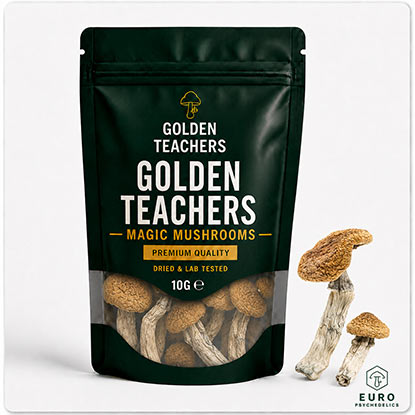
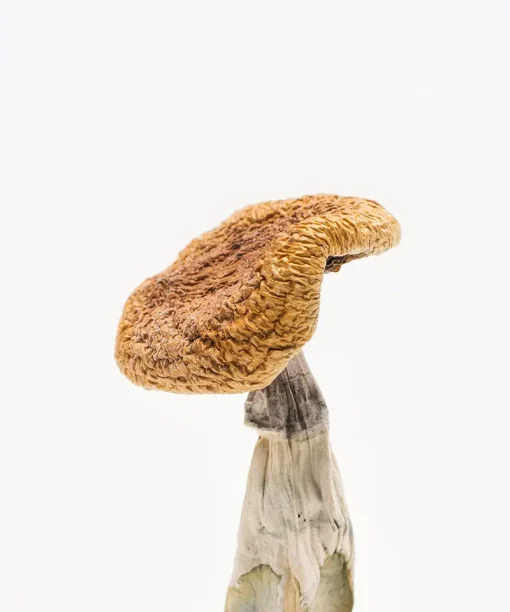
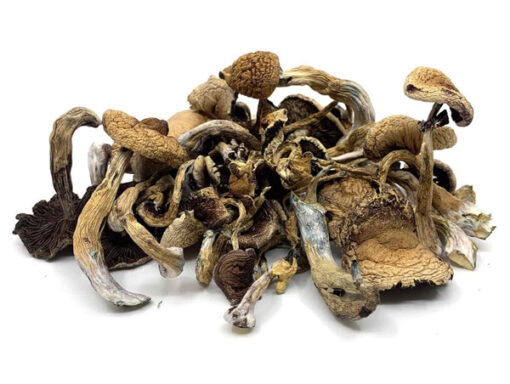
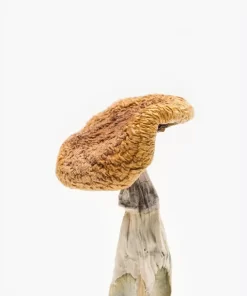
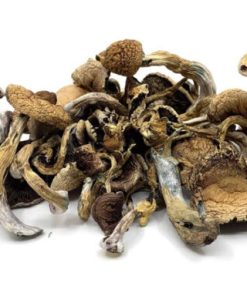
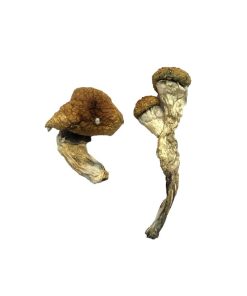
Golden Teacher mushrooms are among the most famous and widely recognized strains of Psilocybe cubensis in the world. Emerging in the mainstream mycological community during the 1980s, this specific strain quickly captured the attention of cultivators and enthusiasts alike due to its striking appearance and reliable growth characteristics. Characterized by their distinct, radiant caramel-to-gold caps—often featuring a lighter yellow or amber center—and broad physical structure, Golden Teachers earned their moniker from the introspective, philosophical, and educational nature of the experiences users frequently report.
Unlike ultra-potent designer mutations or wild-foraged variants that carry unpredictable strengths, Golden Teachers offer a balanced, approachable profile that has made them a baseline standard for both novice and experienced mycologists. Understanding their genetic background, chemical makeup, and traditional use cases provides deep insight into why this particular cultivar remains a cornerstone of psychedelic culture.
Botanical Characteristics and Cultivation Traits
In the wild and in controlled cultivation environments, Psilocybe cubensis strains exhibit specific biological markers. Golden Teachers are distinguished by their robust mycelial network, aggressive colonization rates, and capacity to yield large, well-proportioned fruiting bodies.
Key Growth and Physical Attributes
-
Cap Structure: Broad, convex-to-flat caps measuring up to 8 centimeters in diameter with a bright golden-brown or yellow hue.
-
Stem Formation: Thick, fibrous stipes that often bruise a deep blueish-indigo when handled, indicating the oxidation of psilocybin compounds.
-
Substrate Adaptability: Highly resilient and capable of thriving on diverse substrates including pasteurized straw, coco coir, and enriched dung formulations.
-
Colonization Vigor: Exhibits strong natural resistance to competing molds and bacteria, making it a reliable choice for beginner cultivators studying mycology.
Because of their genetic stability, Golden Teachers flush consistently over multiple cycles, offering researchers and hobbyists an accessible window into the lifecycle of psilocybin-producing fungi.
Potency Profile and Chemical Composition Of Golden Teachers Magic Mushrooms
The active compounds responsible for the psychoactive nature of magic mushrooms are psilocybin and psilocin, alongside trace amounts of secondary alkaloids like baeocystin and norbaeocystin. When ingested, the human body metabolizes psilocybin by dephosphorylating it into psilocin, which then interacts primarily with serotonin receptors (specifically the 5-HT2A receptors) in the brain.
Understanding Potency Levels
-
Average Psilocybin Content: Typically ranges from 0.5% to 0.9% by dry weight.
-
Potency Classification: Categorized as moderate, sitting comfortably below hyper-potent strains like Penis Envy but above weaker wild variations.
-
Batch Variance: Environmental factors such as substrate composition, harvest timing, and drying techniques can cause minor fluctuations in alkaloid concentration between individual mushrooms.
Due to this moderate potency baseline, Golden Teachers are frequently utilized as a standard reference point for measuring dosage equivalents in academic and recreational contexts alike.
Reported Effects and User Experience Timeline
The psychological and physiological impact of consuming Psilocybe cubensis varies based on set, setting, metabolism, and total dosage. Community consensus and historical reports describe Golden Teachers as producing a grounded, clear-headed journey compared to more chaotic strains.
Typical Progression of Experience
-
Onset (20 to 45 Minutes): Initial physiological changes begin, which can include mild somatic warmth, pupil dilation, and occasional transient nausea during the initial adaptation phase.
-
Come-Up and Peak (1 to 3 Hours): Sensory enhancement intensifies. Colors appear more vibrant, geometric patterns may manifest with eyes closed or open, and auditory landscapes deepen. Thought patterns shift toward deep self-reflection, philosophical introspection, and emotional processing.
-
Plateau and Offset (4 to 6 Hours): Effects gradually stabilize before tapering off into an afterglow phase characterized by mental plasticity and mild fatigue.
Frequently Asked Questions
What makes Golden Teacher mushrooms different from other strains?
Golden Teachers are distinguished primarily by their stable genetic lineage, moderate potency range, and a cultural reputation for inducing deeply philosophical, reflective states rather than overwhelming sensory distortion. They are also exceptionally resilient during cultivation.
What is the typical psilocybin content in Golden Teachers?
On average, dried Golden Teacher mushrooms contain between 0.5% and 0.9% total psilocybin by dry weight. This places them squarely in the moderate potency category relative to other Psilocybe cubensis variants.
Are Golden Teacher mushrooms suitable for beginners?
Because of their predictable potency profile and forgiving growth parameters, they are widely considered by cultivators and enthusiasts to be one of the best introductory strains for studying mycology and understanding psilocybin response thresholds.
How long do the effects of Golden Teachers typically last?
For standard oral consumption, the complete experience generally spans between 4 to 6 hours. The peak intensity usually occurs around the 2-to-3-hour mark, followed by a steady return to baseline.
Do Golden Teachers require specialized growing conditions?
No. They are known for adapting well to a variety of standard bulk substrates and tolerate minor environmental fluctuations better than sensitive albino or mutant strains.
What physical sensations are common during consumption?
Common physiological responses include mild changes in heart rate and blood pressure, pupil dilation, waves of warmth or coolness, and initial gastrointestinal sensitivity or nausea during the onset phase.
| Quantity | 14grams, Oz, Qp, Hp, 1p |
|---|
Be the first to review “Golden Teachers Magic Mushrooms”
Related products
Magic Mushrooms
Magic Mushrooms
Magic Mushrooms
Magic Mushrooms
Magic Mushrooms
Magic Mushrooms
Magic Mushrooms
Magic Mushrooms
Reviews
There are no reviews yet.