Mycology & Fungi
Introduction to Mycology
Nov
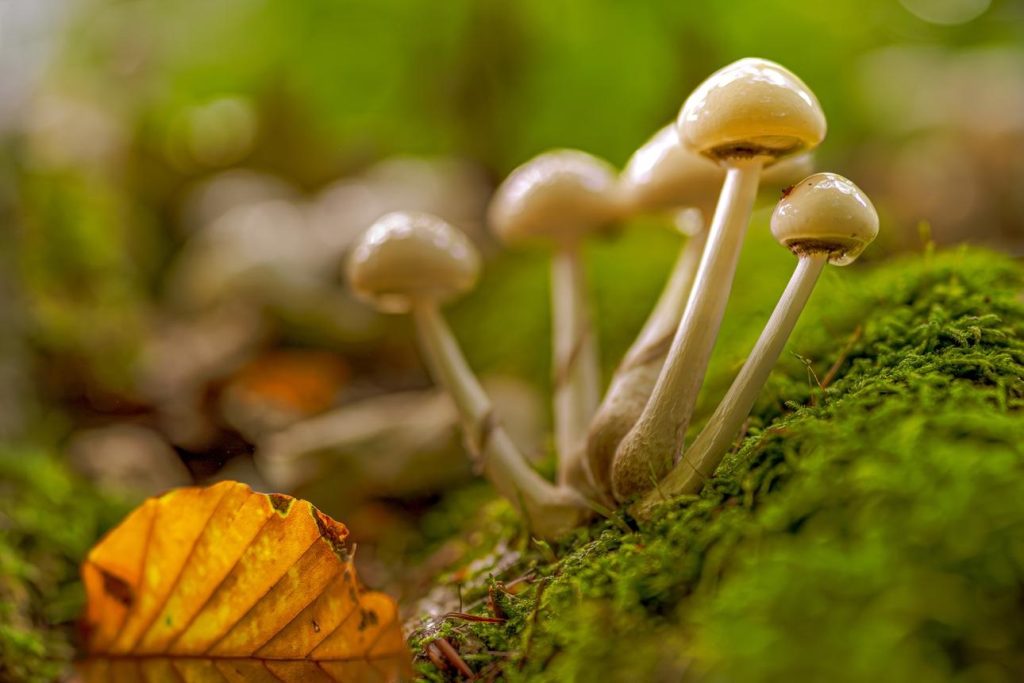
Introduction to Mycology: Understanding Fungi, Mushrooms and Mycelium
What is mycology?
Mycology is the scientific study of fungi, including mushrooms, yeasts, moulds and other microscopic organisms. It explores how fungi grow, reproduce, interact with their environments and contribute to ecosystems.
Although mushrooms are the most familiar representatives of the fungal kingdom, they are only a small part of a much larger biological world.
Fungi are found in forests, grasslands, agricultural soils, freshwater environments and even extreme habitats. They play essential roles in nutrient recycling, plant health, food production, medicine and scientific research.
For anyone interested in natural sciences, biodiversity or psychedelic research, understanding mycology provides an excellent starting point.
1. Understanding the fungal kingdom
Fungi belong to their own biological kingdom, separate from plants and animals.
Unlike plants, fungi cannot produce their own food through photosynthesis. Instead, they obtain nutrients by releasing enzymes into their surroundings and absorbing the resulting simpler compounds.
Some important characteristics of fungi include:
- Eukaryotic cells: Their cells contain a nucleus and specialised internal structures.
- Chitin-based cell walls: Their cell walls contain chitin, a structural material also found in the exoskeletons of insects.
- Absorptive nutrition: They release enzymes that break down organic material before absorbing nutrients.
- Spore reproduction: Many fungi reproduce and spread through microscopic spores.
- Different growth forms: They can exist as single-celled yeasts or multicellular filamentous organisms.
These characteristics distinguish fungi from plants and animals and explain why they occupy such an important ecological position.
2. What is mycelium?
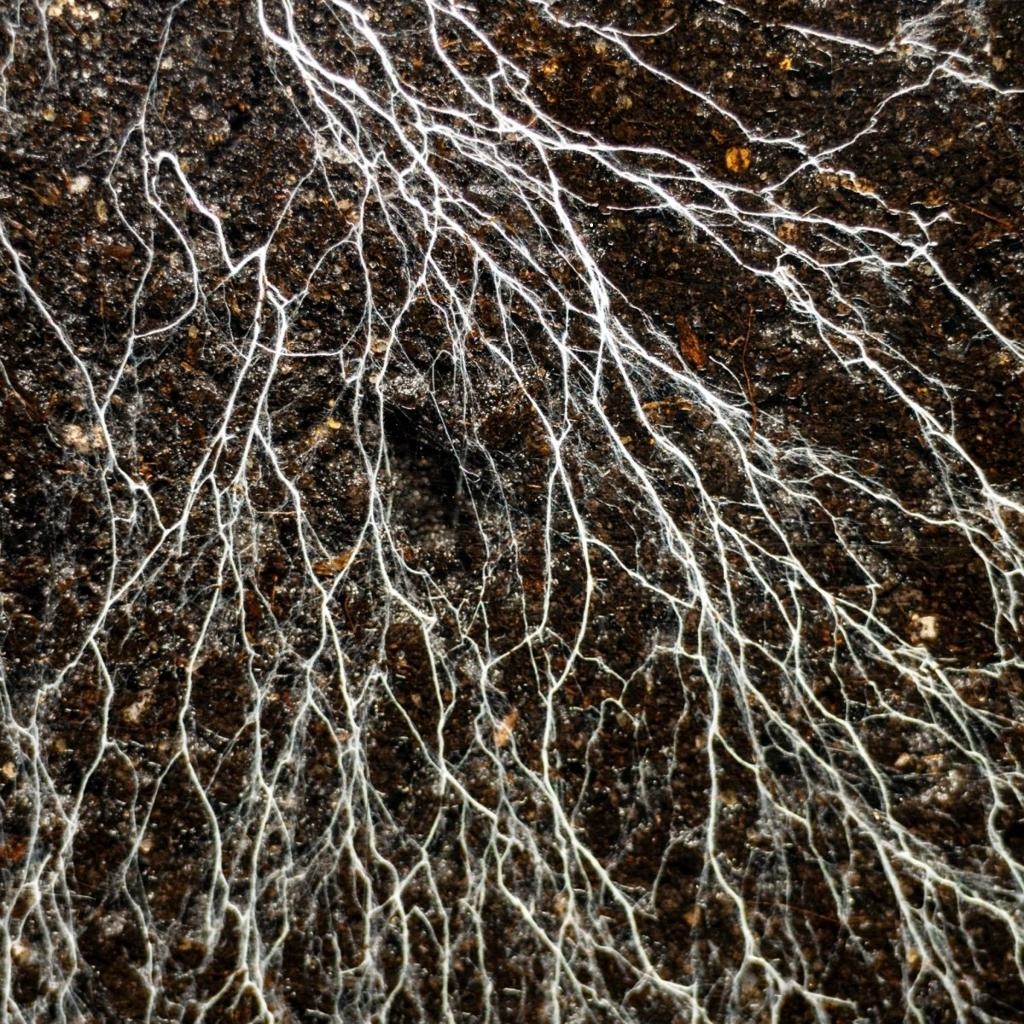
Mycelium is the vegetative network that forms the main body of many fungi.
It consists of microscopic, branching structures called hyphae. These filaments grow through soil, wood, leaf litter and other organic materials.
While mushrooms are often the most visible part of a fungus, the mycelium is responsible for much of its nutrient absorption and growth.
Think of a mushroom as the visible reproductive structure and mycelium as the underlying network supporting the organism.
Mycelial networks can perform several important functions:
- Absorbing nutrients from surrounding materials.
- Breaking down complex organic compounds.
- Interacting with plant roots.
- Supporting fungal growth and reproduction.
- Exploring new nutrient sources.
Mycelium is particularly important in understanding fungal ecology because much of fungal activity happens below the surface.
3. What are mushroom fruiting bodies?
A mushroom is the reproductive structure produced by certain fungi.
Its primary biological function is to produce and disperse spores, allowing the fungus to reproduce and spread.
A typical mushroom may contain several recognisable structures:
Cap (pileus): The upper part of the mushroom, which protects the reproductive surface.
Gills or pores: Structures located underneath the cap in many species, where spores are produced.
Stem (stipe): The supporting structure that elevates the cap.
Mycelium: The underlying network from which the fruiting body develops.
Not all fungi produce conventional mushrooms. Some form brackets, puffballs, cups or other reproductive structures.
Understanding these differences is an important part of mushroom biology and identification.
4. How do fungi reproduce?
Fungi have diverse reproductive strategies, but spores are among their most important reproductive and dispersal structures.
Depending on the species, spores can be produced through sexual or asexual processes.
The general process often involves:
- Spore production.
- Spore dispersal through air, water or other environmental mechanisms.
- Germination under suitable conditions.
- Development of new hyphae.
- Formation and expansion of mycelium.
In certain species, compatible fungal strains can interact during sexual reproduction, producing new genetic combinations.
Fungal reproduction is remarkably diverse, and its mechanisms help scientists understand fungal evolution and classification.
5. Major groups of fungi
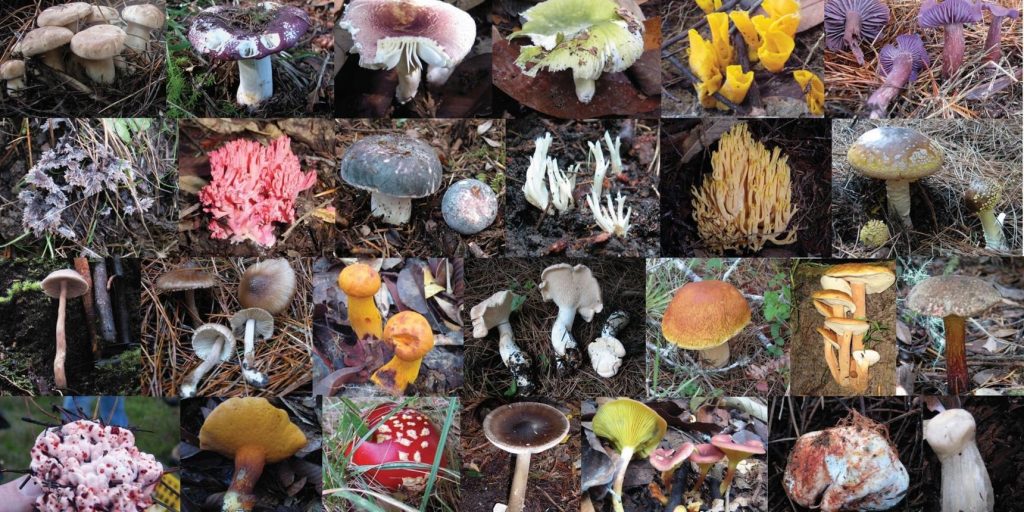
The fungal kingdom contains an extraordinary variety of organisms. Some important groups include:
Basidiomycota
This group includes many familiar mushrooms, bracket fungi and puffballs. Many species play important roles in decomposing wood and forming relationships with plants.
Ascomycota
Also known as sac fungi, this group includes yeasts, morels, truffles and numerous microscopic fungi.
Mucoromycota
This group includes various mould-like fungi and organisms involved in the decomposition of organic materials.
Chytridiomycota
These fungi are particularly interesting because many species produce motile spores and are commonly associated with aquatic or water-dependent environments.
These groups demonstrate that fungi are far more diverse than the mushrooms commonly found in supermarkets or forests.
6. Why are fungi important to the environment?
Fungi are essential components of healthy ecosystems.
One of their most important functions is decomposition. By breaking down dead leaves, wood and other organic materials, fungi help return nutrients to the environment.
However, their ecological importance extends much further.
Decomposition and nutrient recycling
Many fungi break down materials that would otherwise accumulate in natural environments. Their activity contributes to carbon cycling and nutrient availability.
Mycorrhizal relationships
Some fungi form mutually beneficial partnerships with plant roots, known as mycorrhizae.
The fungal network helps plants access water and nutrients, including phosphorus and nitrogen. In return, plants provide the fungi with carbon-rich compounds.
Research from the Royal Botanic Gardens, Kew, highlights that approximately 90% of plant species form some type of mycorrhizal association.
Fungi and biodiversity
Fungi provide food and habitat for various organisms, influence soil structure and contribute to the stability of natural ecosystems.
They are not simply organisms living in the environment; they actively help maintain it.
7. Mycology and psychedelic mushroom research
One particularly interesting area of modern mycology is the scientific study of fungi containing psychoactive compounds.
Certain mushroom species produce psilocybin, a naturally occurring psychedelic compound that has attracted scientific interest because of its interaction with serotonin receptors.
Researchers investigate these fungi from several perspectives:
- Fungal taxonomy and species classification.
- Chemical composition and secondary metabolites.
- Evolution and biological diversity.
- Interactions between fungi and their environments.
- The chemistry and pharmacology of naturally occurring compounds.
Psilocybin research also connects mycology with neuroscience, pharmacology and mental health research.
It is important to distinguish botanical and fungal identification from medical research. The presence of a particular compound does not establish medical effectiveness, and scientific investigation does not mean a substance is legally available or safe for unsupervised use.
8. Mycology as a scientific discipline
Mycology is a broad scientific field with several specialised areas.
Taxonomic mycology: The classification, naming and identification of fungi.
Ecological mycology: The study of fungal relationships with plants, animals, soil and ecosystems.
Medical mycology: The study of fungal infections and their effects on human and animal health.
Industrial mycology: The use of fungi in food production, biotechnology and industrial applications.
Molecular mycology: The investigation of fungal genetics, molecular biology and evolutionary relationships.
Pharmaceutical mycology: The study of fungal compounds and their potential applications in medicine and drug discovery.
These disciplines demonstrate how mycology connects fundamental biology with practical scientific applications.
9. Learning to appreciate fungi responsibly
Fungi are fascinating, but studying them requires scientific curiosity and responsible observation.
Some mushrooms are edible, some are toxic and others contain psychoactive compounds. These categories cannot reliably be determined through appearance alone.
Beginners should:
- Learn scientific identification methods.
- Use reputable field guides and taxonomic resources.
- Avoid consuming unidentified mushrooms.
- Respect protected habitats and biodiversity regulations.
- Follow appropriate biosafety practices when handling unknown specimens.
- Consult qualified mycologists when identification is uncertain.
Responsible mycology begins with observation, documentation and respect for the natural environment.
Conclusion: Discovering the fascinating world of fungi
Mycology opens the door to understanding one of the most diverse and ecologically important kingdoms of life.
From microscopic yeasts to enormous underground , fungi influence ecosystems, support plant communities, recycle nutrients and contribute to scientific innovation.
Their importance extends into medicine, biotechnology, agriculture and neuroscience.
For anyone beginning to explore fungal biology, understanding the basics of mycology provides the foundation for appreciating mushrooms, mycelium, fungal biodiversity and the growing scientific interest in psychedelic fungi.
At Euro Psychedelics, we believe that education, scientific accuracy and responsible research are essential to understanding the fascinating world of fungi.
Disclaimer: This article is intended for educational purposes only. It is not medical advice, an identification guide or a recommendation to consume, cultivate, purchase or supply controlled substances. Always follow applicable laws and safety guidelines.
