
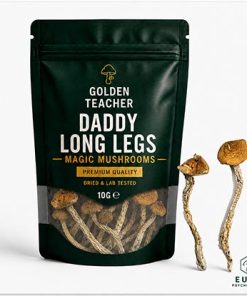
Daddy Long Legs Magic Mushrooms: Origins, Morphology, Potency, and Cultivation
Introduction to the Daddy Long Legs Strain
The vast and diverse world of Psilocybe cubensis contains numerous distinct phenotypes, landraces, and isolated strains that capture the interest of mycologists and ethnobotanists worldwide. Among these unique varieties, the Daddy Long Legs magic mushroom stands out due to its remarkably distinct physical stature. Renowned for producing unusually tall, slender, and elongated stipes that resemble the arachnid from which it gets its name, this strain has carved out a unique niche within academic study and spore collection communities.
While visually striking, Daddy Long Legs shares the foundational biological taxonomy of other classic cubensis varieties, yet its unique genetic expression presents fascinating questions regarding how environmental pressures and selective breeding influence mushroom morphology. Understanding the background, physical traits, chemical composition, and growth requirements of this strain provides a comprehensive overview for anyone studying psilocybin-producing fungi.
Botanical Characteristics and Distinct Morphology
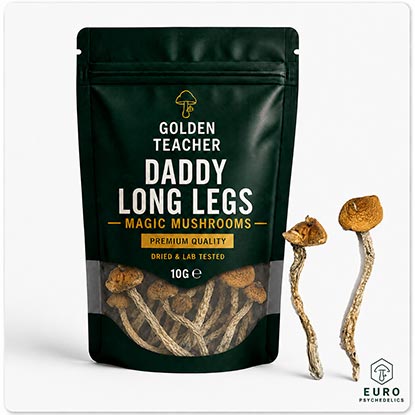
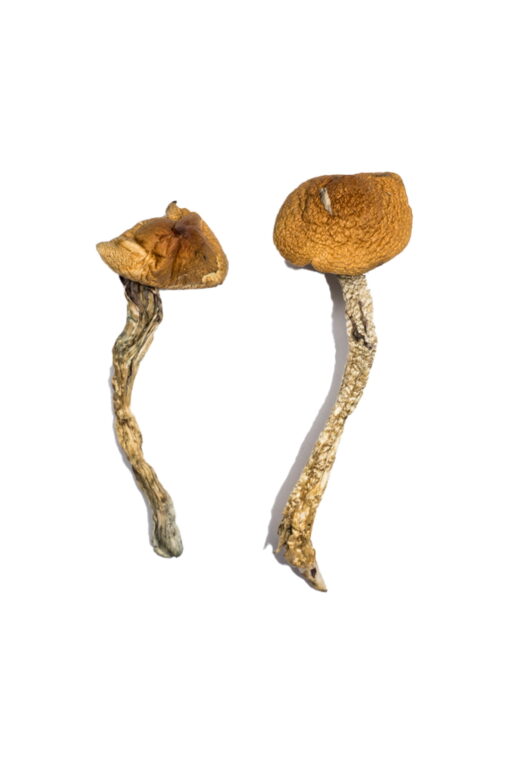
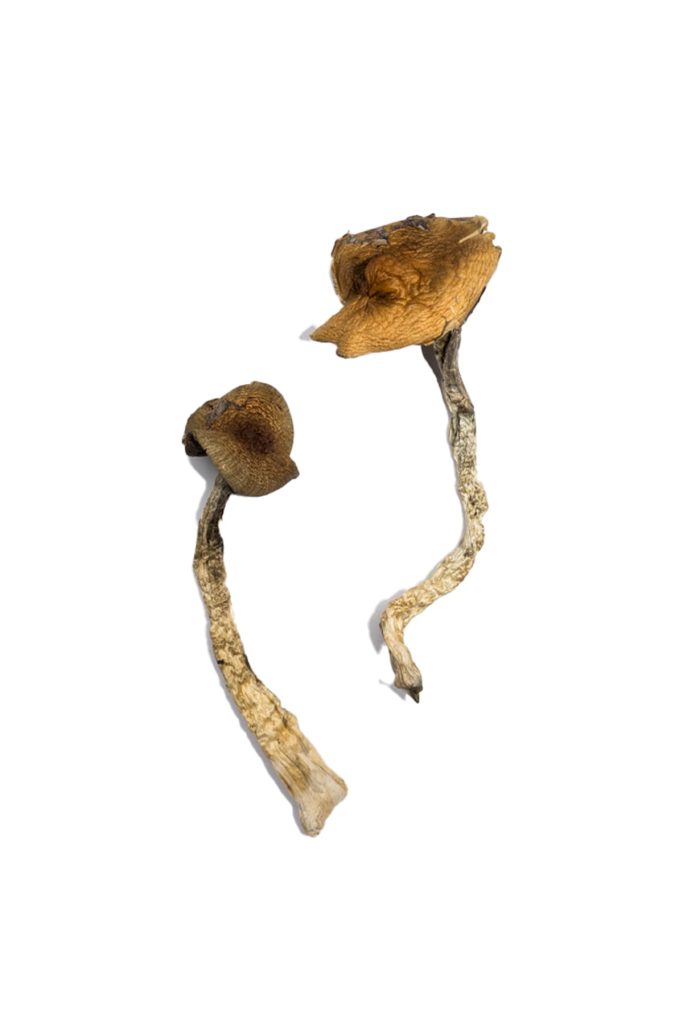
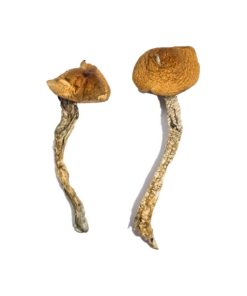
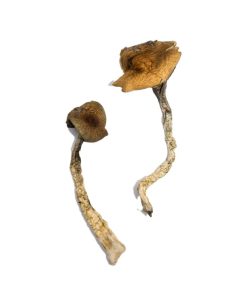
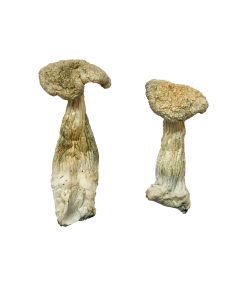
The defining characteristic of the Daddy Long Legs strain is its unique physical architecture. Unlike standard cubensis strains that often feature short, thick, and compact stipes, Daddy Long Legs develops exceptionally long, delicate stalks that stretch upward toward light sources and air currents.
Detailed Physical Anatomy
-
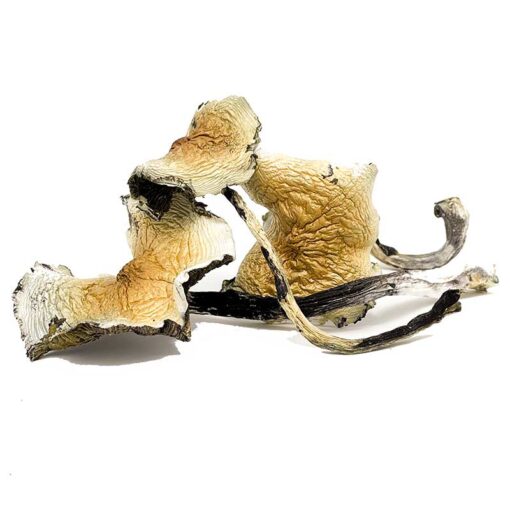
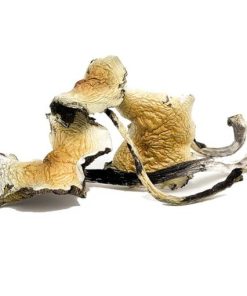
Cap Formation: The caps typically start as deep, rich caramel-brown globes before expanding into broad, convex-to-flat shapes. As they mature, the caps often lighten to a golden-honey hue, measuring between 4 to 8 centimeters in diameter.
-
Stipe Structure: The stipes are notably elongated, slender, and fibrous, stretching significantly taller than standard varieties while maintaining enough structural integrity to support their canopy. When handled, the flesh readily bruises a deep blue-indigo color.
-
Veil Dynamics: The partial veil is delicate and often tears early in the expansion phase, leaving subtle annular remnants along the upper stipe.
-
Spore Print Characteristics: Produces abundant, dark purplish-brown spore deposits with high germination rates under sterile laboratory conditions, making it an excellent candidate for microscopic observation.
Chemical Profile and Potency Expectations
Like all true Psilocybe cubensis strains, the psychoactive properties of Daddy Long Legs are driven primarily by the tryptamines psilocybin and psilocin, supported by trace secondary alkaloids such as baeocystin.
Alkaloid Breakdown and Mechanics
-
Potency Classification: Categorized as a moderate-potency strain, sitting comfortably alongside standard baseline varieties like Golden Teacher and Escondido.
-
Dry Weight Concentration: Total active tryptamines generally range between 0.5% and 0.9% by dry weight, though exact potency varies based on cultivation parameters, substrate nutrient density, and harvest timing.
-
Biochemical Interaction: Upon ingestion, the body dephosphorylates psilocybin into active psilocin, which binds to 5-HT2A serotonin receptors in the brain to temporarily alter sensory processing, cognitive pacing, and emotional synthesis.
Because its potency profile is predictable and balanced, Daddy Long Legs offers a reliable benchmark for studying alkaloid concentrations across different phenotypic variations.
Cultivation Dynamics and Growth Preferences Of Daddy Long Legs Magic Mushrooms
Cultivating the Daddy Long Legs strain requires careful attention to specific environmental parameters, particularly regarding vertical space and humidity management. Because of their exceptionally long stipes, standard monotubs or fruiting chambers must offer adequate overhead clearance to prevent the caps from pressing against lids or filters.
Optimal Cultivation Parameters
-
Colonization Temperatures: Mycelium thrives in grain spawn and bulk substrates maintained between 24°C and 27°C (75°F to 80°F).
-
Fruiting Conditions: Requires high relative humidity (90% to 95%) and consistent fresh air exchange (FAE) to support rapid vertical elongation without causing excessive moisture pooling on the delicate caps.
-
Substrate Adaptability: Performs exceptionally well on standard pasteurized bulk substrates, including coco coir and vermiculite blends (CVG) as well as enriched manure-based composts.
-
Colonization Vigor: Exhibits aggressive rhizomorphic mycelial growth, which provides strong natural resistance against competing airborne molds and bacteria.
Frequently Asked Questions
What makes Daddy Long Legs magic mushrooms unique?
The Daddy Long Legs strain is visually distinct primarily due to its unusually tall, slender, and elongated stipes, which inspired its arachnid-themed moniker. It also features reliable multi-flush yields and classic moderate potency.
What is the potency level of Daddy Long Legs?
Daddy Long Legs is classified as a moderate-potency Psilocybe cubensis strain. Its total psilocybin and psilocin content typically ranges between 0.5% and 0.9% by dry weight, comparable to standard baseline strains.
Do Daddy Long Legs mushrooms require special growing equipment?
Because of their exceptionally long stems, cultivators should ensure their fruiting chambers or monotubs provide sufficient vertical headspace to accommodate their upward growth without restricting the caps.
Are Daddy Long Legs difficult for beginners to cultivate?
No. Despite their unique physical appearance, they share the hardy, aggressive colonization habits of standard Psilocybe cubensis varieties, making them accessible and forgiving for beginning mycology students.
What substrates work best for this strain?
Daddy Long Legs performs exceptionally well on standard bulk substrates such as coco coir-vermiculite mixtures, sterilized whole-grain rye spawn, and pasteurized manure formulations.
What active compounds are found in Daddy Long Legs?
The primary active compounds are psilocybin and psilocin, accompanied by trace amounts of secondary supporting alkaloids such as baeocystin and norbaeocystin.
| Quantity | 7grams, 14grams, 28grams |
|---|
Be the first to review “Daddy Long Legs Magic Mushrooms”
Related products
Magic Mushrooms
Magic Mushrooms
Magic Mushrooms
Magic Mushrooms
Magic Mushrooms
Magic Mushrooms
Magic Mushrooms
Magic Mushrooms
Reviews
There are no reviews yet.