
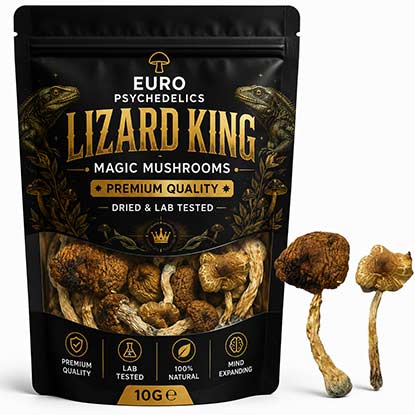
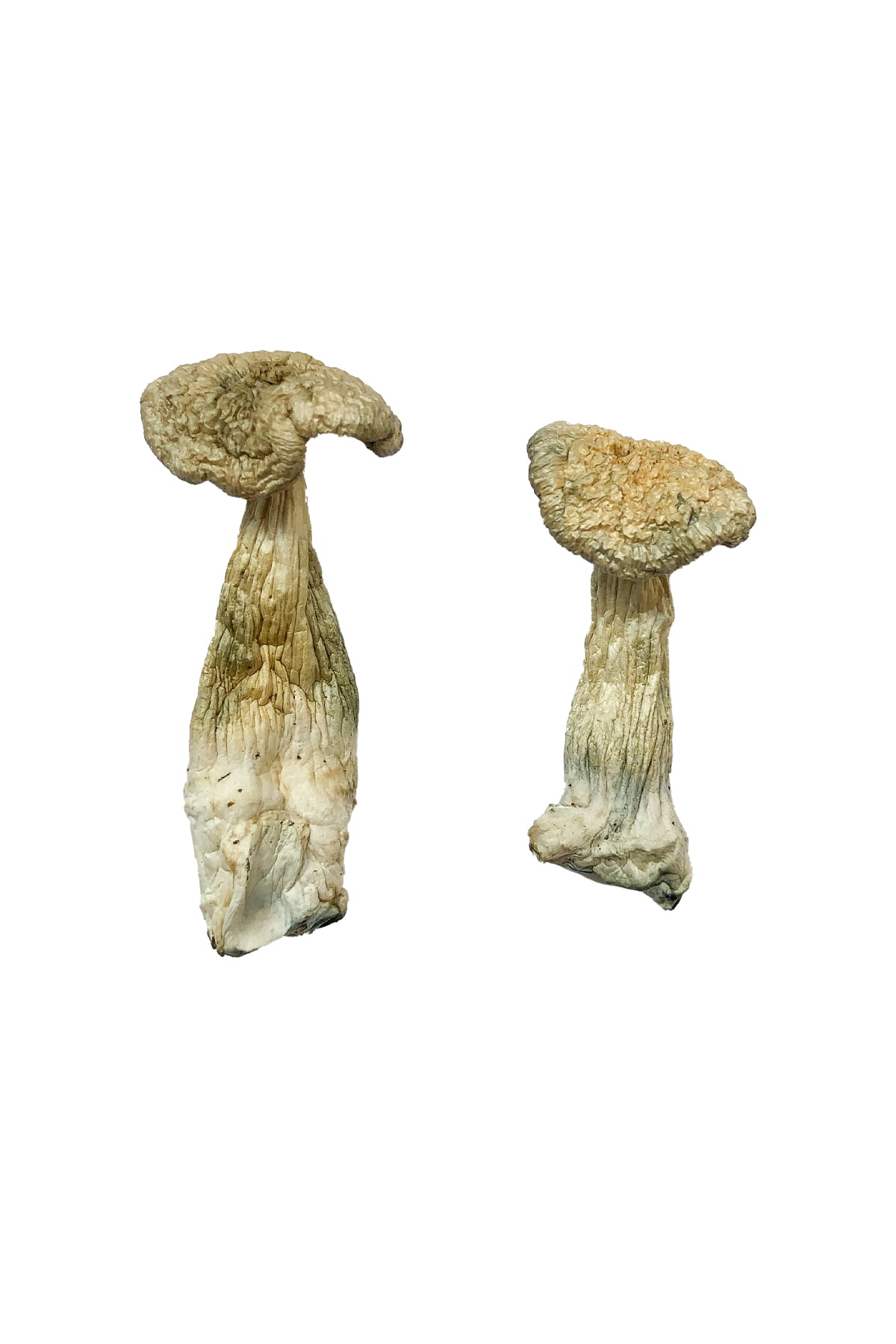
Lizard King Magic Mushrooms: Origins, Characteristics, Taxonomy & European Legal Context
Lizard King Magic Mushrooms is a name used within contemporary psychedelic mushroom culture for a named mushroom variety or lineage. Like many popular mushroom names, “Lizard King” is not a formal scientific species name. The name should therefore be treated as an informal designation rather than evidence of a separate biological species.
The terminology surrounding named psychedelic mushrooms can be complicated. Community names may describe a lineage, phenotype, historical association or simply a widely circulated label. None of these automatically establishes the precise species, genetics, chemical composition or geographic provenance of an individual specimen.
For European readers, legal status is a separate consideration. Psilocybin and psilocin are internationally controlled substances, while national laws concerning mushrooms containing these compounds vary between European jurisdictions.
What Are Lizard King Magic Mushrooms?
“Lizard King Magic Mushrooms” is best understood as a popular variety or lineage-style name within psychedelic mushroom culture.
The name itself does not establish:
- a unique scientific species;
- verified genetic ancestry;
- precise geographic origin;
- chemical composition;
- potency; or
- legal status.
Those characteristics require separate scientific or legal evidence.
This distinction is important because mushroom names encountered online can sometimes appear more scientifically established than they actually are.
The Meaning Behind the Name Lizard King
The phrase “Lizard King” has strong associations with popular culture, most famously with the nickname connected to musician Jim Morrison of The Doors.
That cultural reference has also become part of the broader psychedelic-era mythology surrounding music and counterculture.
However, a mushroom variety carrying the name should not automatically be interpreted as having a documented biological or historical connection to Morrison.
A cultural name and a scientific provenance are two different things.
Lizard King and Mushroom Taxonomy
Scientific fungal taxonomy uses formal scientific names rather than community variety names.
One widely recognised species associated with the broader magic-mushroom category is Psilocybe cubensis.
“Lizard King,” however, is a popular name rather than a formal scientific species designation.
A named lineage can exist within a recognised species without constituting a separate species.
Species versus lineage
A species represents a formal biological classification.
A lineage refers more broadly to ancestry and genetic relationships within a population.
A phenotype describes observable characteristics resulting from genetic and environmental influences.
These terms should not be used interchangeably.
Appearance and Phenotype
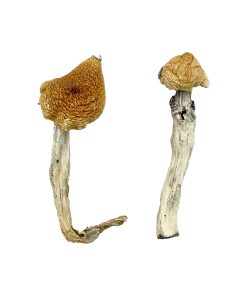
Named mushroom varieties can become recognisable because of their appearance.
Characteristics may include:
- cap shape;
- pigmentation;
- stem morphology;
- gill structure;
- surface texture;
- size; and
- developmental characteristics.
However, visible appearance alone cannot reliably establish scientific identity.
Environmental conditions can also influence how fungi develop, meaning that specimens associated with the same popular name may not look identical.
Psilocybin and Psilocin
The broader term “magic mushrooms” commonly refers to fungi associated with naturally occurring psychedelic compounds, particularly psilocybin and psilocin.
Psilocybin is metabolised into psilocin within the body.
These compounds have attracted considerable scientific interest, particularly in neuroscience and psychiatric research.
Researchers have examined subjects including:
- perception;
- consciousness;
- brain activity;
- mood;
- psychotherapy;
- depression; and
- anxiety.
The existence of scientific research does not mean that every named mushroom variety has an identical chemical profile or that unsupervised use is medically established.
Does Lizard King Have a Specific Potency?
A popular variety name cannot reliably establish potency.
The concentration of naturally occurring compounds can vary according to biological and environmental factors.
Potential influences include:
- genetics;
- species;
- environmental conditions;
- developmental stage;
- biological variation; and
- storage.
Consequently, precise potency claims should not be inferred solely from the name “Lizard King.”
Chemical composition is a matter for appropriate laboratory analysis.
Mushroom Identification
Fungal identification can be more complicated than simply recognising a mushroom from a photograph.
Professional mycological identification can involve several types of evidence.
Macroscopic characteristics
Researchers may examine:
- cap morphology;
- stem characteristics;
- gills;
- colour;
- surface texture; and
- developmental stage.
Microscopic characteristics
Microscopy can reveal structures invisible to the naked eye, including useful spore characteristics.
Molecular evidence
DNA-based methods can provide additional information about species identity and genetic relationships.
This layered approach demonstrates why a popular mushroom name cannot substitute for scientific identification.
Named Mushroom Varieties and Internet Culture
The development of named mushroom varieties has been strongly influenced by online communities.
Names can spread internationally through:
- discussion forums;
- photographs;
- community databases;
- social media;
- cultivation communities; and
- commercial terminology.
Once a name becomes popular, descriptions can be repeatedly copied between websites.
This can make uncertain information appear authoritative.
For that reason, claims about the history, genetics or chemistry of Lizard King should be evaluated according to the quality of their underlying evidence.
Lizard King and Psychedelic Culture
The name Lizard King has an obvious connection to psychedelic-era popular culture.
The broader psychedelic movement became closely associated with music, literature, visual art and counterculture during the twentieth century.
Musicians and artists became important figures in this cultural history, and their names have subsequently been used in a wide variety of psychedelic contexts.
A mushroom name inspired by a cultural figure is therefore part of a much broader tradition of psychedelic naming.
Cultural association, however, should not be confused with scientific provenance.
Modern Psychedelic Research
Scientific interest in psychedelics has grown substantially in recent decades.
Researchers are studying compounds such as psilocybin in controlled environments to investigate their effects on:
- the brain;
- perception;
- cognition;
- mood;
- consciousness; and
- psychiatric conditions.
European researchers are also participating in this expanding field.
The European Union Drugs Agency has documented increasing scientific interest in psychedelic substances while highlighting regulatory and public-health considerations.
Research conducted under controlled clinical conditions should not automatically be equated with personal or unsupervised use.
European Legal Context
The legal status of psilocybin-containing mushrooms varies between European countries.
There is no single European rule that applies identically to every jurisdiction.
The European Union Drugs Agency states that psilocybin and psilocin are controlled under the 1971 United Nations Convention on Psychotropic Substances. Individual countries then implement their own national legislation.
Depending on the jurisdiction, legislation can address:
- possession;
- cultivation;
- preparation;
- importation;
- distribution;
- supply;
- the form of the material; and
- the specific controlled compounds involved.
Why country-specific information matters
It would therefore be misleading to describe Lizard King Magic Mushrooms as universally legal or illegal throughout Europe.
The applicable rules depend on the particular country and circumstances.
Because laws can change, current national legislation and the relevant competent authority should be consulted when determining legal status.
Health Considerations
Psychedelic mushrooms can produce substantial changes in perception, cognition and mood.
Individual responses can vary considerably.
Potential concerns include:
- anxiety;
- confusion;
- impaired judgement;
- psychological distress; and
- unexpected psychological reactions.
There is also a general risk associated with incorrect mushroom identification, since visually similar fungi can have very different properties.
Questions involving medication, mental health or possible interactions should be discussed with an appropriately qualified healthcare professional.
Why Scientific Documentation Matters
Lizard King demonstrates the importance of separating different kinds of information.
Popular name: Lizard King.
Cultural association: psychedelic-era popular culture.
Taxonomy: formal biological classification.
Genetics: evidence concerning lineage and ancestry.
Chemistry: laboratory evidence concerning compounds.
Legality: national legislation.
A claim in one category does not automatically establish facts in another.
Lizard King Magic Mushrooms in Context
The name Lizard King Magic Mushrooms belongs to the modern tradition of distinctive named mushroom varieties.
Its cultural terminology is more informative about the history of psychedelic naming than about formal fungal taxonomy.
A scientifically responsible description should therefore avoid treating “Lizard King” as a separate species unless reliable taxonomic evidence establishes one.
For European readers, legal status must likewise be considered according to the specific national jurisdiction.
The most reliable approach is to separate mushroom culture, scientific taxonomy, chemical research and legislation when evaluating information about named psychedelic mushrooms.
Frequently Asked Questions
1. What are Lizard King Magic Mushrooms?
Lizard King Magic Mushrooms is a popular name associated with a named psychedelic mushroom variety or lineage. “Lizard King” is not, by itself, the formal scientific name of a distinct fungal species.
2. Why are they called Lizard King?
The name appears to draw on the broader psychedelic and countercultural association of the phrase “Lizard King,” particularly its connection with musician Jim Morrison. This cultural reference should not be interpreted as proof of a direct historical relationship with a particular mushroom lineage.
3. Is Lizard King a scientific mushroom species?
No. Lizard King is a popular variety or lineage-style designation rather than a formal scientific species name. Scientific identification requires appropriate taxonomic evidence.
4. Does the Lizard King name indicate a specific potency?
No. A popular mushroom name cannot reliably establish psilocybin or psilocin concentration. Chemical composition can vary and requires appropriate analytical evidence.
5. Are Lizard King Magic Mushrooms legal in Europe?
There is no universal European answer. Laws concerning psilocybin, psilocin and mushrooms containing these substances differ between countries. The current legislation of the relevant jurisdiction should be checked.
6. Why is scientific taxonomy different from mushroom strain names?
Scientific taxonomy provides formal biological classification, while strain or lineage names are often community-developed designations. A popular name can identify a lineage or phenotype without representing a separate scientific species.
| Quantity | 14grams, Oz, Qp, Hp, 1p |
|---|
Be the first to review “Lizard King Magic Mushrooms”
Related products
Magic Mushrooms
Magic Mushrooms
Magic Mushrooms
Magic Mushrooms
Magic Mushrooms
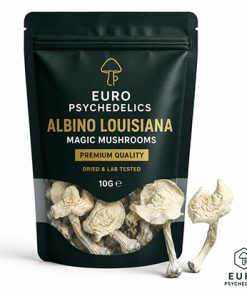
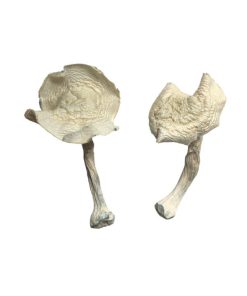
Magic Mushrooms
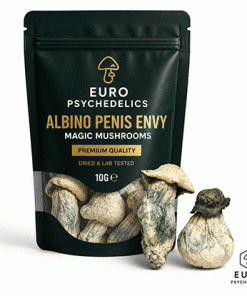
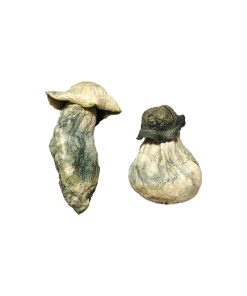
Magic Mushrooms
Magic Mushrooms
Reviews
There are no reviews yet.