Psychedelic Research
why people use psychedelics
Nov
Why People Use Psychedelics: 7 Fascinating Motivations, Benefits and Risks
Introduction
Why do people use psychedelics? It is a question that has attracted attention from psychologists, neuroscientists, historians and researchers studying human behaviour.
Psychedelic substances such as psilocybin, LSD, DMT and mescaline can profoundly alter perception, emotions, thoughts and the experience of consciousness. Throughout history, different societies have associated these substances with spiritual traditions, cultural practices, recreation and personal exploration.
Today, interest in psychedelics extends into modern neuroscience and psychiatric research. Some people are interested in their potential psychological applications, while others are motivated by curiosity, creativity, spirituality or recreational experiences.
Understanding why people use psychedelics requires looking beyond the substances themselves. It also means examining human psychology, cultural influences, personal expectations and the scientific evidence.
1. Curiosity and Exploration of Consciousness
One of the most frequently reported motivations for psychedelic use is curiosity.
Human beings have always been interested in understanding consciousness, perception and the nature of subjective experience.
Psychedelics are associated with unusual changes in sensory perception, thought patterns, emotional experiences and the sense of self. These effects attract people interested in exploring how the brain constructs everyday experience.
Some people describe their interest as wanting to understand their own minds or experience a different perspective on familiar surroundings.
Curiosity does not necessarily imply a desire for recreation or treatment. For some individuals, it is primarily an interest in consciousness and human psychology.
2. Personal Growth and Self-Understanding
Another commonly reported motivation is personal development.
Some individuals describe psychedelic experiences as opportunities to reflect on their emotions, relationships, memories and personal values.
Research into motivations for serotonergic psychedelic use has identified self-expansion and the desire to develop greater self-knowledge as important themes.
A 2022 systematic review examined 37 studies and found that the desire to expand awareness appeared in 78% of the included studies. Coping and enhancement motivations were also frequently reported.
However, these findings describe motivations reported in research literature. They do not demonstrate that psychedelics reliably produce personal growth in every individual.
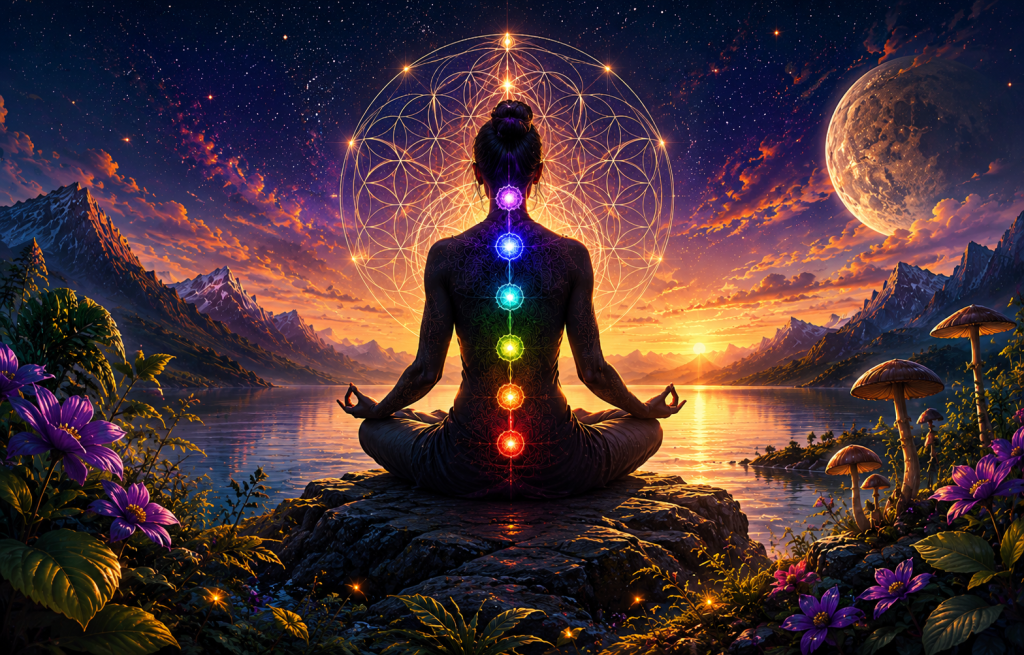
3. Spirituality and Religious Experiences
Psychedelics have a long and complex relationship with spirituality.
Certain traditional cultures have incorporated psychoactive plants and fungi into ceremonial, religious and healing practices. These traditions differ considerably in their beliefs, methods and cultural meanings.
In contemporary settings, some individuals associate psychedelic experiences with:
- A feeling of connection with nature
- Questions about existence and identity
- Feelings of unity or interconnectedness
- Spiritual reflection
- A changed perspective on personal values
Some researchers investigate the relationship between psychedelic experiences and measures of spirituality, meaning and psychological wellbeing.
It is important to distinguish subjective spiritual experiences from scientifically established explanations about consciousness or the universe.
4. Recreation, Entertainment and Social Experiences
Not everyone who uses psychedelics is seeking personal transformation or spiritual development.
Recreation is another important motivation.
Some individuals are attracted to changes in perception, music appreciation, emotional experiences and social interactions.
A 2025 study examining 1,221 people who reported naturalistic psychedelic use found that initial motivations commonly involved curiosity, recreation and exploration.
The study also found that motivations could change over time, with some participants later reporting greater interest in personal growth, spirituality and mental wellbeing.
These findings are informative, but the study relied on retrospective self-reports and should not be interpreted as representative of every psychedelic user.
5. Interest in Mental Health and Emotional Wellbeing
Growing scientific interest in psychedelic-assisted therapy has influenced public discussion.
Researchers are investigating compounds such as psilocybin in carefully controlled studies involving certain mental health conditions.
Areas of investigation include:
- Depression
- Anxiety associated with serious illness
- Trauma-related symptoms
- Substance-use disorders
- Psychological distress
However, the scientific evidence remains specific to particular substances, conditions, study designs and treatment settings.
A substance being investigated in a clinical trial does not mean it is an established or approved treatment.
Psychedelic experiences can also involve psychological distress, anxiety, confusion and other adverse effects. People should not assume that unsupervised use is equivalent to participation in a clinical research programme.
6. Creativity, Imagination and New Perspectives
Some people report using psychedelics because they are interested in creativity and unusual patterns of thinking.
The relationship between psychedelics and creativity is an active area of scientific discussion.
Researchers have investigated how altered perception and changes in cognitive processes may relate to:
- Divergent thinking
- Creative problem-solving
- Associative thinking
- Imagination
- Perception of familiar information
However, subjective reports of increased creativity are not the same as demonstrated improvements in creative performance.
Scientific findings in this area remain developing, and effects may differ between individuals and research conditions.
7. Connection With Nature and Other People
Another reported motivation is the desire to feel more connected with the natural environment or other people.
Some individuals describe experiences involving heightened appreciation of natural surroundings, emotional openness or a sense of interconnectedness.
The 2025 study of naturalistic psychedelic use identified connection with nature and improvements in relationships among motivations reported by participants.
These experiences are subjective. They do not establish that psychedelics consistently improve relationships or produce lasting environmental awareness.
Social and cultural context can also influence how people interpret an experience.
Why Do People’s Motivations Change Over Time?
An interesting finding in psychedelic research is that motivations are not necessarily fixed.
Someone may initially be interested because of curiosity or recreation but later become more interested in personal development, spirituality or mental health research.
The 2025 study Tripping into Treatment: Comparing Initial and Current Motivations for Psychedelic Use explored this question using responses from 1,221 participants.
The researchers observed differences between participants’ initial motivations and their reported current motivations.
This suggests that psychedelic use is not driven by one universal intention. Individual experiences, personal circumstances, cultural influences and changing expectations can all affect motivation.
Potential Risks and Important Considerations
Understanding why people use psychedelics should also involve understanding their potential risks.
Psychedelic substances can produce intense psychological and physiological effects. Experiences are not always positive or predictable.
Potential risks include:
- Anxiety, panic and psychological distress
- Confusion and impaired judgement
- Changes in perception that may create safety risks
- Increased heart rate or blood pressure with certain substances
- Unwanted psychological reactions
- Potential interactions with medications or other substances
Some individuals may face additional risks because of pre-existing mental health or cardiovascular conditions.
The legal status of psychedelic substances also varies between countries. Many compounds remain controlled under national and international drug legislation.
Scientific interest should never be confused with proof of safety, legal availability or medical approval.
What Does Scientific Research Tell Us?
why people use psychedelics has developed considerably, although important limitations remain.
A systematic review published in 2022 examined 37 studies and identified several recurring motivations, including awareness expansion, coping and enhancement.
A separate 2025 study involving 1,221 participants explored how motivations changed between initial and current psychedelic use.
The European Union Drugs Agency has also highlighted growing interest in wellness, therapeutic and spiritually oriented psychedelic practices in Europe, while noting that the evidence and understanding of these practices remain limited.
Together, these sources suggest that psychedelic use is influenced by a combination of psychological, social, cultural and personal factors.
More high-quality research is needed to understand the relationship between motivations, experiences and long-term outcomes.
Frequently Asked Questions
Why do people use psychedelics?
People report using psychedelics for curiosity, recreation, personal exploration, spirituality, creativity, social experiences and perceived mental health benefits.
Do people use psychedelics for mental health?
Some people report this motivation, and researchers are investigating certain psychedelic compounds in controlled clinical studies. However, this does not establish that unsupervised use is an effective or safe mental health treatment.
Are psychedelics used for spiritual purposes?
Yes. Some traditional cultural practices and contemporary users associate psychedelic experiences with spirituality, reflection and feelings of interconnectedness.
Can psychedelics increase creativity?
Some individuals report changes in imagination and creative thinking. However, scientific evidence does not establish that psychedelics reliably improve creativity.
Why do people describe psychedelics as life-changing?
Some individuals report emotionally intense or personally meaningful experiences. These descriptions are subjective and do not mean everyone experiences lasting positive changes.
Are psychedelics safe?
Not necessarily. Risks vary according to the substance, individual circumstances and context. Psychological distress, impaired judgement and other adverse effects are possible.
Is psychedelic use legal in Europe?
The legal status varies by country and substance. Many psychedelics are controlled under national laws and international conventions.
Conclusion
Why people use psychedelics is a complex question involving psychology, neuroscience, culture and human curiosity.
Some people are interested in exploring consciousness, while others describe motivations involving spirituality, recreation, creativity, personal development or mental wellbeing.
Scientific research suggests that these motivations can overlap and change over time.
Understanding these different motivations is important for researchers, healthcare professionals and society. It helps create a more balanced discussion that recognises both the reasons people are interested in psychedelics and the potential risks involved.
Ultimately, the growing scientific interest in psychedelics should be accompanied by critical thinking, responsible research and accurate public information.
