Botanical Research
Magic mushrooms near me
Mushrooms Near Me: 9 Essential Facts About Mushroom Identification, Psilocybin and Safety
Introduction
Searching for magic mushrooms near me can lead to an interesting discovery of the natural world. Across Europe, forests, grasslands, parks and woodland environments support thousands of fungal species, ranging from familiar edible mushrooms to poisonous and psychoactive varieties.
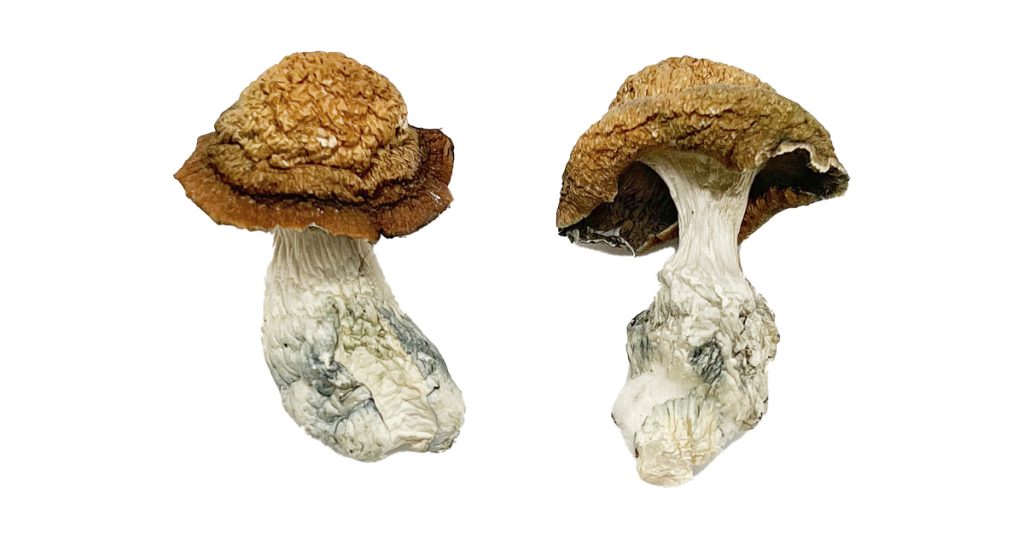
Mushrooms are an important part of ecological systems. They help decompose organic material, support plant relationships and contribute to nutrient cycling in soil. Some species are also scientifically important because they contain naturally occurring compounds that influence human physiology.
Among the most widely discussed are psilocybin-containing mushrooms, commonly known as magic mushrooms. These fungi have attracted increasing attention from researchers investigating neuroscience, pharmacology and potential therapeutic applications.
However, searching for mushrooms near your location requires an understanding of several important issues. Mushroom identification can be difficult, poisonous species may resemble harmless varieties, and the legal status of psychoactive mushrooms differs between European countries.
This guide from Europsychedelics explores European mushroom diversity, identification, psilocybin research, potential risks and the importance of responsible mushroom education.
Whether you are interested in mycology, psychedelic science or general mushroom identification, this article provides an evidence-informed introduction.
Table of Contents
- What Does Mushrooms Near Me Mean?
- Where Do Mushrooms Grow in Europe?
- What Types of Mushrooms Can Be Found in Europe?
- What Are Psilocybin Mushrooms?
- How Does Mushroom Identification Work?
- Can Poisonous Mushrooms Resemble Other Species?
- What Are the Risks of Wild Mushroom Consumption?
- What Does European Research Say About Psilocybin?
- Are Magic Mushrooms Legal in Europe?
- Where Can You Find Reliable Mushroom Information?
- Frequently Asked Questions
- Conclusion
1. What Does Mushrooms Near Me Mean?
The phrase “mushrooms near me” is a broad search term used by people looking for different types of mushroom-related information.
Some people want to discover edible mushrooms in their local environment. Others are interested in mushroom identification, wild fungi, medicinal mushroom research or psychedelic species.
Understanding the search intention is important because not all mushrooms have the same biological properties, uses or legal status.
General mushroom discovery
Many people search for nearby mushrooms because they enjoy nature, woodland exploration and mycology.
Mycology is the scientific study of fungi, including mushrooms, moulds and yeasts.
A mushroom is generally the reproductive structure of a fungus. Much of the organism exists underground or within another material as a network of microscopic filaments called hyphae.
These filaments collectively form a structure known as mycelium.
Interest in psychedelic mushrooms
Another reason for searching for mushrooms near me is curiosity about psilocybin-containing fungi.
Psilocybin is a naturally occurring psychoactive compound found in certain mushroom species.
Scientists investigate these mushrooms because their chemical compounds interact with the human nervous system and may provide insights into consciousness, perception and psychiatric research.
However, psychoactive mushrooms should not be confused with ordinary edible mushrooms.
Their legal status and potential health risks require separate consideration.
Local mushroom identification
People may also want to identify mushrooms they have discovered in gardens, parks or forests.
This is an important area of mycology because many species look similar.
Accurate identification requires detailed examination and, in some cases, microscopic or molecular analysis.
A photograph or online description alone cannot establish that a mushroom is safe to consume.
2. Where Do Mushrooms Grow in Europe?
Europe contains diverse habitats that support a wide variety of fungi.
Mushrooms can grow in forests, grasslands, agricultural environments, gardens and areas containing decaying organic matter.
Their distribution depends on factors such as climate, soil composition, moisture, temperature and relationships with other organisms.
Woodland environments
Forests are among the most important habitats for mushroom diversity.
Many fungi form relationships with tree roots through a biological process called mycorrhiza.
These relationships allow fungi and plants to exchange nutrients.
Some mushrooms are commonly associated with particular tree species, including oak, birch, pine and beech.
Grasslands
Grasslands support different fungal communities.
Some fungi grow in soil containing decomposing plant material, while others are associated with grasses and livestock environments.
Certain species of Psilocybe and Panaeolus have been documented in grassland ecosystems.
However, habitat alone cannot establish the identity of a mushroom.
Gardens and urban environments
Mushrooms can also appear in urban locations.
They may grow in lawns, flowerbeds, compost, wood chips and other areas containing organic matter.
Their appearance often depends on environmental conditions rather than the location being particularly unusual.
Seasonal mushroom growth
European mushroom growth varies with geography and climate.
Autumn is an important period for many woodland fungi, although different species can appear during spring, summer and winter.
Rainfall, humidity and temperature influence when fruiting bodies emerge.
For this reason, there is no universal mushroom season that applies to every European country.
3. What Types of Mushrooms Can Be Found in Europe?
European ecosystems contain many different mushroom species.
Some are edible, others are poisonous, and some contain psychoactive compounds.
Understanding these broad categories is useful for anyone interested in mushroom research.
Edible mushrooms
Several well-known edible species are found in European environments.
Examples include:
- Agaricus bisporus – the common cultivated button mushroom.
- Boletus edulis – commonly known as the porcini mushroom.
- Cantharellus cibarius – the golden chanterelle.
- Pleurotus ostreatus – the oyster mushroom.
- Lactarius deliciosus – the saffron milk cap.
These species have different ecological characteristics and culinary uses.
Importantly, identifying a mushroom as belonging to an edible species requires reliable identification. Similar-looking species may be poisonous.
Poisonous mushrooms
Europe also contains fungi capable of causing serious poisoning.
One of the best-known examples is Amanita phalloides, commonly called the death cap.
This mushroom contains amatoxins, which can cause severe liver damage.
Other poisonous species include certain members of the genera Galerina, Cortinarius and Amanita.
The existence of poisonous lookalikes is one reason why mushroom identification should never depend exclusively on appearance.
Psychoactive mushrooms
Certain mushroom species contain psilocybin and psilocin.
Species belonging to the genus Psilocybe are particularly well known in psychedelic research.
Some Panaeolus species have also been documented as containing psychoactive compounds.
The chemical composition of fungi can vary, and not every mushroom belonging to a particular genus necessarily has the same properties.
For this reason, scientific identification and chemical analysis are important.
4. What Are Psilocybin Mushrooms?
Psilocybin mushrooms are fungi containing the psychoactive compounds psilocybin and psilocin.
They are commonly called magic mushrooms.
Psilocybin is converted into psilocin in the human body. Psilocin interacts with serotonin receptors, particularly the 5-HT2A receptor.
Serotonin is a neurotransmitter involved in several processes, including mood regulation, cognition and perception.
The interaction between psilocin and serotonin receptors is an important part of psychedelic pharmacology.
Why are psilocybin mushrooms important to researchers?
Researchers investigate psilocybin mushrooms for several scientific reasons.
These include:
- Understanding psychedelic pharmacology.
- Investigating serotonin receptor activity.
- Studying changes in brain connectivity.
- Exploring consciousness and perception.
- Examining potential psychiatric applications.
- Understanding the chemical composition of fungi.
The scientific interest in psilocybin has increased as clinical studies investigate its potential therapeutic applications.
Psilocybin and mental health research
Depression is among the most frequently investigated conditions in modern psilocybin research.
Researchers have examined whether carefully controlled psilocybin-assisted interventions may benefit selected individuals with depressive disorders.
Some studies have reported encouraging findings.
However, further research is required to establish long-term effectiveness, safety and appropriate clinical applications.
Psilocybin should not be regarded as an established self-treatment for depression or other mental health conditions.
5. How Does Mushroom Identification Work?
Mushroom identification is a scientific process involving the examination of physical, ecological and sometimes microscopic characteristics.
A single photograph rarely provides enough information for reliable species identification.
Professional mycologists consider several features.
Cap characteristics
The cap is the upper part of the mushroom.
Its shape, colour, texture and surface characteristics can help distinguish different species.
Caps may be convex, flat, funnel-shaped or irregular.
However, appearance changes with age and environmental conditions.
Gills and pores
The underside of a mushroom cap may contain gills, pores, teeth or other structures.
The arrangement and colour of these structures can provide useful identification information.
For example, some mushrooms have closely spaced gills, while others have a porous surface.
Stem characteristics
The stem may contain features such as:
- Rings.
- Bulbs.
- Fibres.
- Scales.
- Surface textures.
- Colour changes.
These features can help specialists compare specimens with established taxonomic descriptions.
Spore characteristics
Spores are microscopic reproductive structures.
Spore colour and morphology can contribute to identification.
In some cases, laboratory microscopy is necessary to distinguish closely related species.
DNA analysis
Molecular techniques have become increasingly important in fungal taxonomy.
DNA sequencing allows researchers to compare genetic material and investigate relationships between species.
This is particularly useful when external physical characteristics are insufficient.
The European mycological research community uses morphological and molecular methods to improve fungal identification and classification.
6. Can Poisonous Mushrooms Resemble Other Species?
Yes. Some poisonous mushrooms can closely resemble edible or otherwise familiar species.
This is one of the most important risks associated with wild mushroom collection.
The European Union Drugs Agency has also highlighted the difficulty of distinguishing certain psilocybin-containing mushrooms from other small brown or tan fungi.
The problem is not limited to psychedelic species.
Why mushroom misidentification happens
Several factors contribute to identification errors.
Similar physical characteristics: Different species can have comparable cap shapes, colours and stem structures.
Growth stage: Young and mature mushrooms can look very different.
Environmental conditions: Moisture, sunlight and physical damage can change appearance.
Incomplete specimens: Missing stems, damaged caps or unclear gill structures can make identification difficult.
Overconfidence: People may assume that familiarity with one mushroom guarantees recognition of similar species.
Why online identification tools are insufficient
Smartphone applications and online image databases can help people learn about fungi.
However, they cannot guarantee accurate identification.
The French Agency for Food, Environmental and Occupational Health & Safety (ANSES) specifically advises against relying on smartphone recognition applications to determine whether wild mushrooms are safe.
Professional identification remains important when safety is involved.
7. What Are the Risks of Wild Mushroom Consumption?
Wild mushrooms can present serious health risks when their identity is uncertain.
Some poisonous species produce toxins that affect the liver, kidneys and gastrointestinal system.
Symptoms may include:
- Nausea.
- Vomiting.
- Abdominal pain.
- Diarrhoea.
- Dizziness.
- Confusion.
- Organ damage.
Some mushroom toxins can cause delayed symptoms.
Therefore, the absence of immediate discomfort does not establish that a mushroom is safe.
Real-world European poisoning data
ANSES reported that French poison control centres received contacts involving 1,363 symptomatic people following mushroom consumption between 1 July and 31 December 2024.
Of these cases, 3.1% were classified as severe.
The reported cases included three deaths and three cases of chronic kidney failure.
This illustrates why wild mushroom identification must be approached carefully.
The figures concern mushroom poisoning generally, not specifically psilocybin mushrooms.
What should you do if mushroom poisoning is suspected?
If someone develops symptoms after consuming an unidentified mushroom, seek urgent medical advice or contact the local poison information service.
Do not attempt home treatment without professional advice.
Where possible, preserve remaining mushroom material and photographs to assist identification by medical professionals.
Anyone else who consumed mushrooms from the same collection should also seek medical assessment, even if symptoms have not appeared.
8. What Does European Research Say About Psilocybin?
Europe is an important region for psychedelic research.
Universities, research institutions and clinical organisations investigate psilocybin’s pharmacological and psychological effects.
Neuroscience
Researchers use neuroimaging techniques to investigate how psilocybin affects communication between different brain networks.
Functional magnetic resonance imaging (fMRI) is one technique used to examine changes in brain activity.
These studies contribute to scientific discussions about perception, cognition and consciousness.
Depression research
Clinical investigations have examined psilocybin-assisted interventions for depression.
Research focuses on selected patient populations and carefully defined treatment conditions.
The results are promising in some studies, but clinical evidence remains under development.
Research into other conditions
Researchers have also investigated potential applications involving:
- Anxiety associated with serious illness.
- Substance-use disorders.
- Psychological distress.
- Obsessive-compulsive symptoms.
The evidence varies across conditions, and findings from one clinical population should not automatically be applied to another.
European research resources
People interested in current European studies can consult the EU Clinical Trials Information System.
The portal provides information about clinical research, including trial objectives, participating countries and study status.
It is a valuable resource for academics, students and people following psychedelic medicine developments.
9. Are Magic Mushrooms Legal in Europe?
There is no single legal answer that applies to every European country.
Psilocybin and psilocin are controlled under the United Nations Convention on Psychotropic Substances of 1971.
European countries implement these controls through national legislation.
The legal status of mushrooms containing these compounds can vary depending on how national laws define controlled substances and regulated materials.
Different national approaches
Some European jurisdictions specifically regulate psilocybin-containing mushrooms.
Others regulate the active compounds and substances containing them.
Additional rules may apply to cultivation, preparation, possession, distribution and commercial supply.
Why location matters
A mushroom’s natural occurrence in a particular country does not mean that possession or commercial distribution is automatically legal.
Likewise, a product’s legal status in one European country does not necessarily apply to another.
The Netherlands, for example, has a legal distinction between prohibited magic mushrooms and certain magic truffles.
This distinction should not be interpreted as unrestricted permission to trade all psychedelic products.
Research and medical access
Authorised research and clinical use may follow different legal procedures from recreational possession or commercial sale.
Researchers should consult their institutions and relevant national regulatory authorities.
People interested in medical applications should seek information from qualified healthcare professionals.
10. Where Can You Find Reliable Mushroom Information?
People searching for mushrooms near me can benefit from reliable educational resources rather than relying on unverified social media posts.
Several institutions provide useful information.
European Union Drugs Agency
The EUDA publishes information about hallucinogenic mushrooms, psychedelic substances and European drug regulations.
Its mushroom drug profile explains the chemistry, effects and risks associated with psilocybin-containing fungi.
European Mycological Association
The European mycological community supports scientific research, fungal taxonomy and education.
Mycological organisations can be useful for understanding mushroom diversity and professional identification.
National poison information centres
Poison centres provide important information about mushroom poisoning and appropriate medical responses.
Their guidance is particularly relevant when unidentified mushrooms have been consumed.
ANSES
France’s ANSES publishes research and public-health guidance about mushroom poisoning.
Its publications are useful for understanding the risks of misidentification.
Academic databases
PubMed and other academic databases allow readers to investigate peer-reviewed publications on fungal biology, psilocybin pharmacology and psychedelic research.
Scientific publications are especially important when evaluating claims about medical benefits.
11. Frequently Asked Questions About Mushrooms Near Me
1. How do I find mushrooms near me?
You can learn about local mushroom diversity through mycological associations, university research, botanical resources and regional fungal surveys. However, discovering a mushroom does not establish its identity or safety.
2. Can I find magic mushrooms in Europe?
Psilocybin-containing mushroom species have been documented in different European environments. Their distribution depends on ecological conditions and geography. Their presence does not establish that collection or possession is legal.
3. Are all wild mushrooms safe?
No. Some wild mushrooms contain toxins capable of causing serious illness or death. Never consume a wild mushroom unless its identity and edibility have been reliably established by a qualified expert.
4. How can I identify a magic mushroom?
Scientific identification involves examining multiple physical characteristics and, where necessary, microscopic or molecular evidence. Visual resemblance alone cannot reliably establish that a mushroom contains psilocybin.
5. What is psilocybin?
Psilocybin is a naturally occurring psychoactive compound found in certain fungi. The body converts it into psilocin, which interacts with serotonin receptors.
6. Can mushroom identification apps be trusted?
Identification applications may be useful educational tools, but they can produce incorrect results. ANSES advises against using smartphone applications as the sole basis for deciding whether wild mushrooms are safe.
7. When is mushroom season in Europe?
Many European woodland mushrooms are commonly associated with autumn, but fungal growth occurs throughout the year. Weather, soil conditions and species characteristics influence seasonal appearance.
8. Are magic mushrooms legal in Europe?
Laws vary by country. Psilocybin and psilocin are internationally controlled, and national legislation determines how mushrooms containing these substances are regulated.
9. Are researchers studying magic mushrooms?
Yes. Researchers investigate psilocybin’s chemical properties, effects on brain activity and potential applications in psychiatric research.
10. What should I do if I accidentally eat an unidentified mushroom?
Seek urgent medical advice or contact a poison information centre. Do not wait for symptoms to develop, because some mushroom toxins produce delayed effects.
Conclusion: Understanding Mushrooms Near You Through Science
Searching for mushrooms near me can introduce readers to an extensive world of fungal diversity, ecological relationships and scientific discovery.
Europe contains thousands of fungal species, each with different biological characteristics and ecological functions.
Some mushrooms are edible, some are poisonous and others contain psychoactive compounds such as psilocybin.
Understanding these differences requires reliable identification, scientific knowledge and awareness of applicable laws.
For researchers, mushroom taxonomy, chemical analysis and psychedelic pharmacology provide important areas of investigation.
For general readers, responsible mushroom education can help prevent dangerous identification errors and misunderstandings about psychoactive fungi.
At Europsychedelics, our aim is to make psychedelic science and mushroom education more accessible through accurate, research-informed information.
Explore the science, understand the evidence and approach mushroom identification with caution and curiosity.
